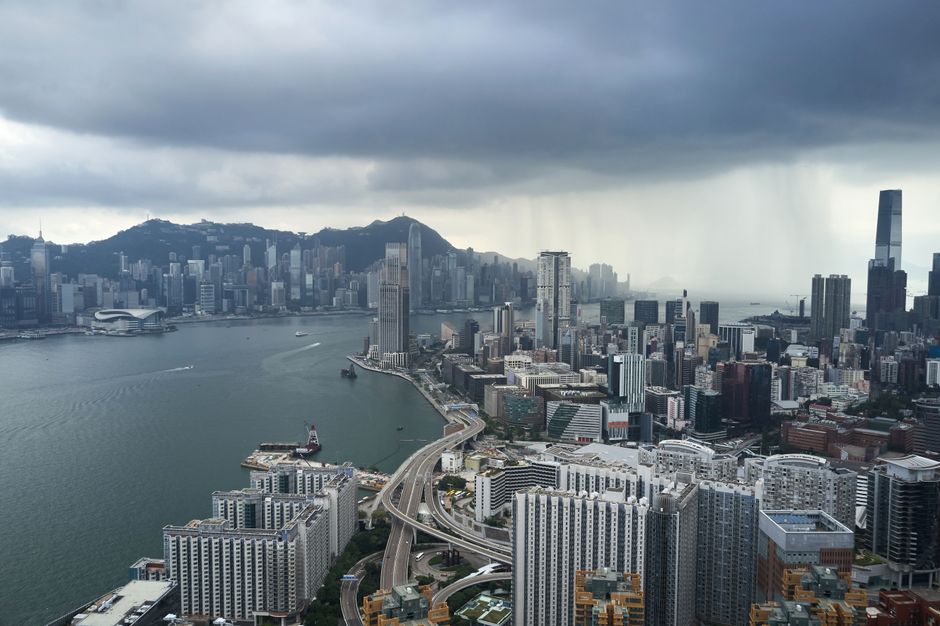
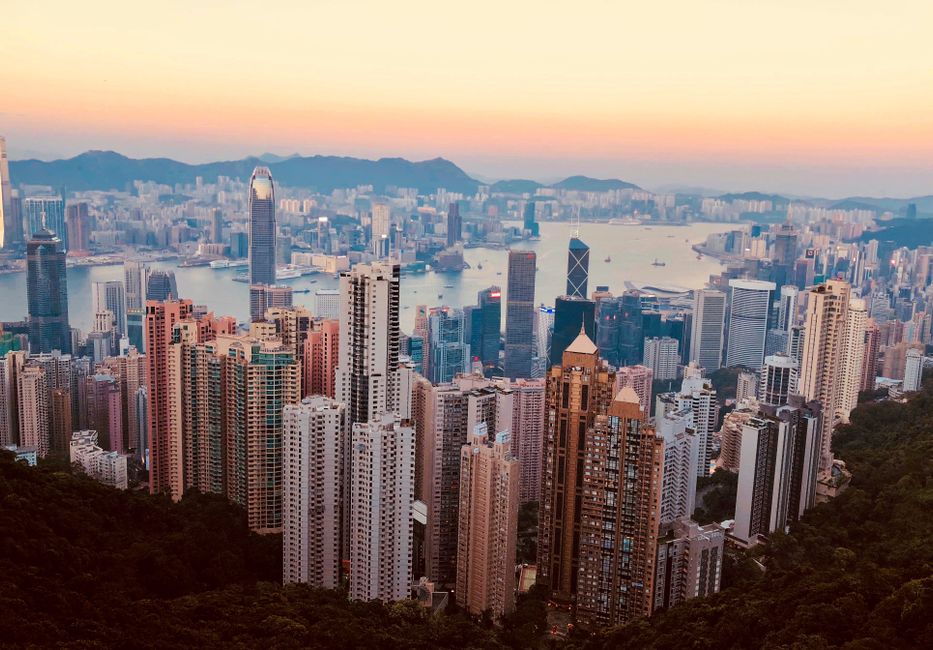
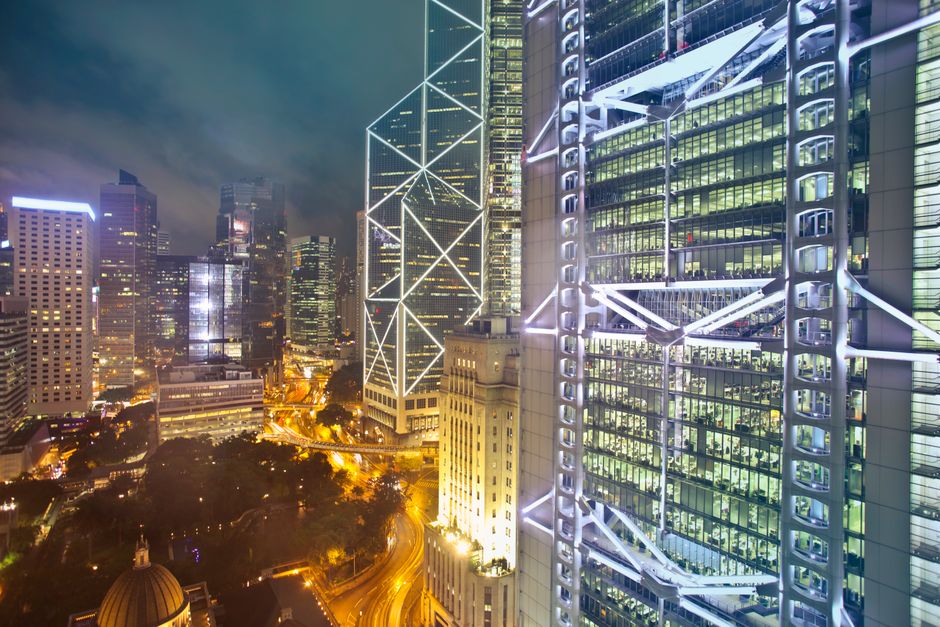
Hong Kong's economy operates like a finely calibrated machine, and right now several gauges are worth watching closely. The interplay between foreign direct investment, currency movements, and local asset prices is reshaping everything from Central office rents to your morning coffee in Causeway Bay.
Recent data from the Hong Kong Monetary Authority shows net inflows of regional capital remain robust, though the composition has shifted notably. Rather than the property speculation that dominated 2023-2024, institutional investors are rotating toward fintech ventures and green energy funds. This reallocation reflects confidence in Hong Kong's positioning as Asia's gateway—but it's also driving up operating costs for startups clustered around Cyberport and Central.
Consider the Hang Seng Index's recent movements alongside property indicators. While commercial office space in Central commands rents around HK$60-80 per square foot annually, suburban hubs like Kowloon Bay have attracted tech firms seeking cost efficiency, pushing those rates up from HK$25 to HK$35 per square foot. This migration reveals how investment flows shape real estate pricing across districts.
The cost of living narrative tells a parallel story. The Consumer Price Index in May 2026 showed food and transport remaining elevated—a fried rice lunch in Mong Kok averaged HK$68, up from HK$55 two years ago—while currency strength has made imported goods pricier. Yet this same strength attracts inbound capital seeking stability, creating a paradox many Hongkongers feel acutely.
What's particularly instructive is how the Hang Seng Finance Index performs relative to the broader HSI. Financial services inflows suggest appetite for Hong Kong's capital markets infrastructure, yet this doesn't uniformly benefit ordinary residents. While banking sectors benefit, wage growth for mid-level professionals has lagged inflation, particularly outside the finance and luxury sectors.
A key indicator gaining attention is cross-border capital flows via the Stock Connect schemes. Consistent buying from mainland institutional funds indicates strategic confidence in Hong Kong equities and property plays, yet these flows often bypass the sectors affecting everyday costs.
For investors, the message is clear: read the flow data, not just the indices. For residents, understanding these mechanisms explains why your rent rises or falls independently of your salary. Hong Kong's economy rewards those who recognize that investment flows, currency movements, and asset prices form an interconnected whole that ultimately determines your cost of living in this remarkable city.
This article was compiled by AI and screened before publishing. See our editorial standards.