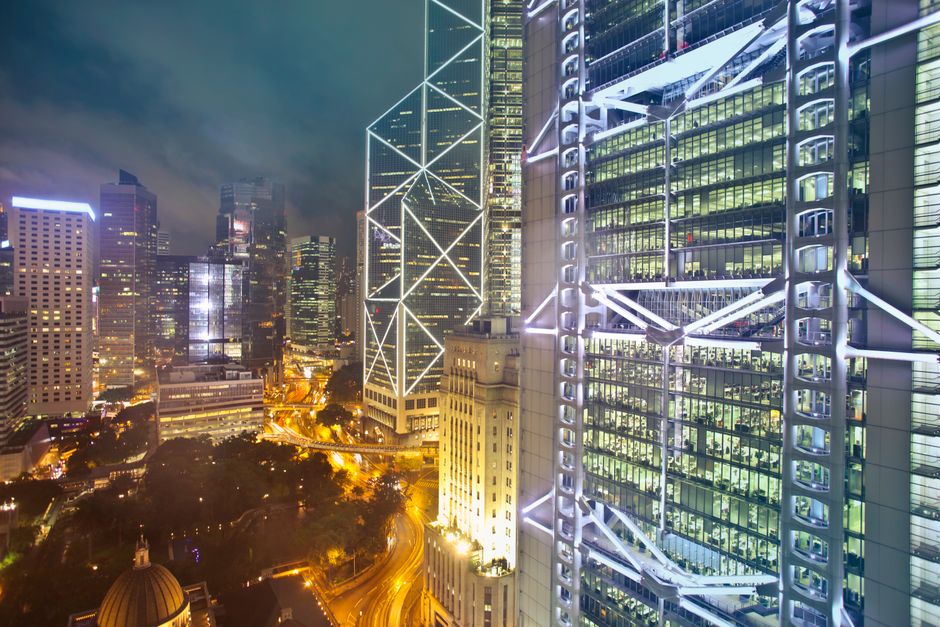
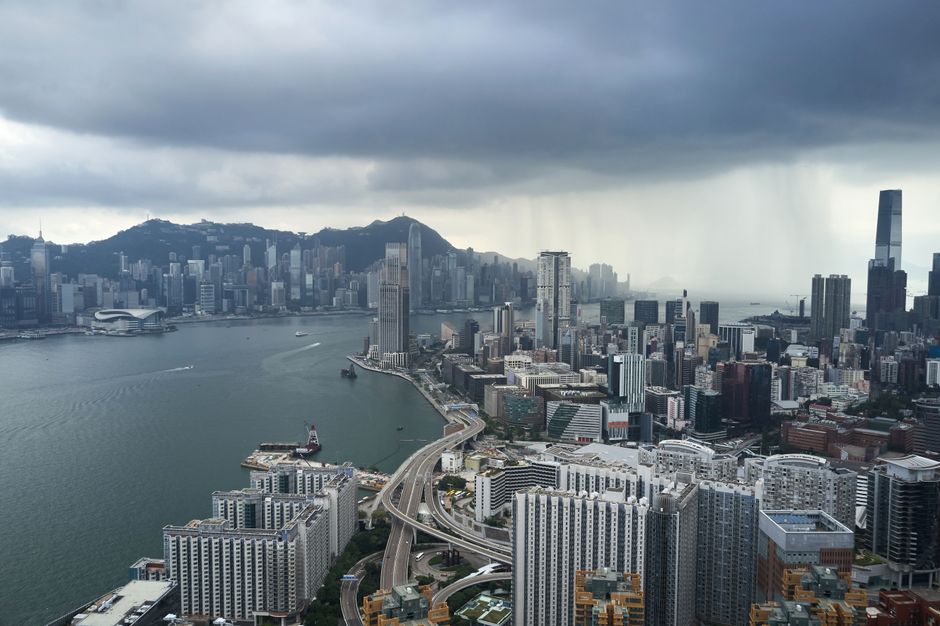
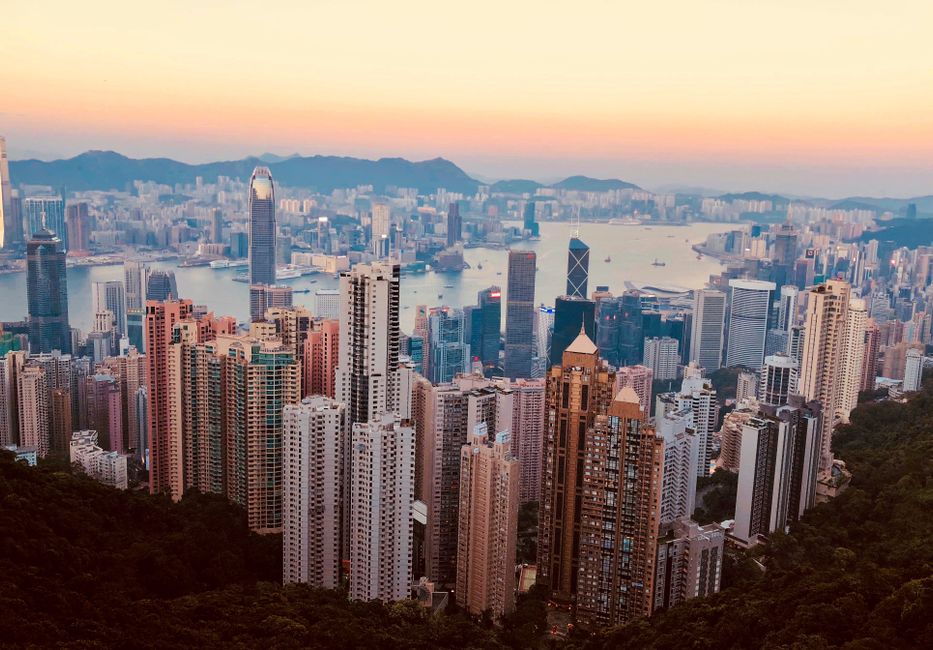
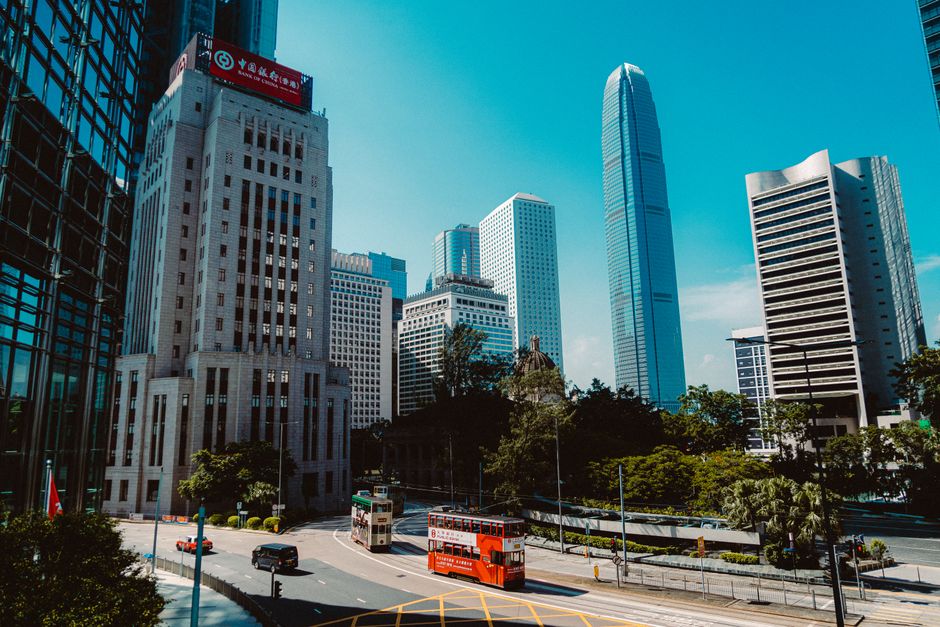
Hong Kong's visitor economy is roaring back. Airport passenger numbers have already exceeded pre-pandemic levels, with over 6 million arrivals expected this year. On the surface, this looks like a victory—hotels are full, restaurants are bustling, and the tourism board celebrates record spending. But for residents navigating daily life, the reality is more complicated.
Walk through Central's narrow lanes between Pottinger Street and Gough Street, and you'll notice the shift immediately. Independent cafes and long-standing family businesses are giving way to chain restaurants catering to tour groups. A bowl of wonton noodles at a traditional dai pai dong now costs 65 to 80 Hong Kong dollars—triple the price from five years ago. Casual dining in tourist hotspots like Mong Kok and Tsim Sha Tsui has become significantly less affordable for working professionals and students.
Residential rents tell a similar story. Areas near Victoria Peak tram stations and the Star Ferry terminals have seen landlords converting apartments into short-term holiday rentals, tightening the already strained housing market. The government estimates tourism-related accommodation accounts for roughly 30 percent of short-term rental demand in central neighbourhoods, pushing long-term rental prices higher.
The benefits, however, are real. The tourism sector employs roughly 270,000 people directly and supports countless small businesses—tour operators, transportation services, and artisanal shops in places like SoHo and Lan Kwai Fong that thrive on visitor spending. Tax revenue from hospitality supports public services that residents depend on.
What residents should understand is that this boom isn't uniformly distributed. Workers in hospitality earn more, but working conditions have intensified. Service sectors across Causeway Bay and Kowloon Bay are struggling with staff shortages, leading businesses to extend hours and demand longer shifts. Meanwhile, residential neighbourhoods quieter than the tourist corridors—areas like North Point and Sham Shui Po—remain relatively stable, though gentrification pressures are creeping northward.
The Hong Kong Tourism Board and the government are aware of these tensions. Recent initiatives aim to disperse visitors beyond the predictable circuit of Star Ferry, Peak Tram, and Central shopping, directing them toward lesser-known areas like the Sai Kung waterfront and New Territories villages. This has merit for spreading economic benefit, but it also raises questions about quality of life in areas residents had considered their own.
The key insight: tourism isn't inherently good or bad for residents, but it's not evenly distributed. If you work in hospitality, live near attractions, or run a business catering to visitors, the boom is largely positive. If you're seeking affordable housing or a quiet neighbourhood, the cost of Hong Kong's tourism renaissance is increasingly personal.
This article was compiled by AI from the sources linked above and screened before publishing. See our editorial standards.