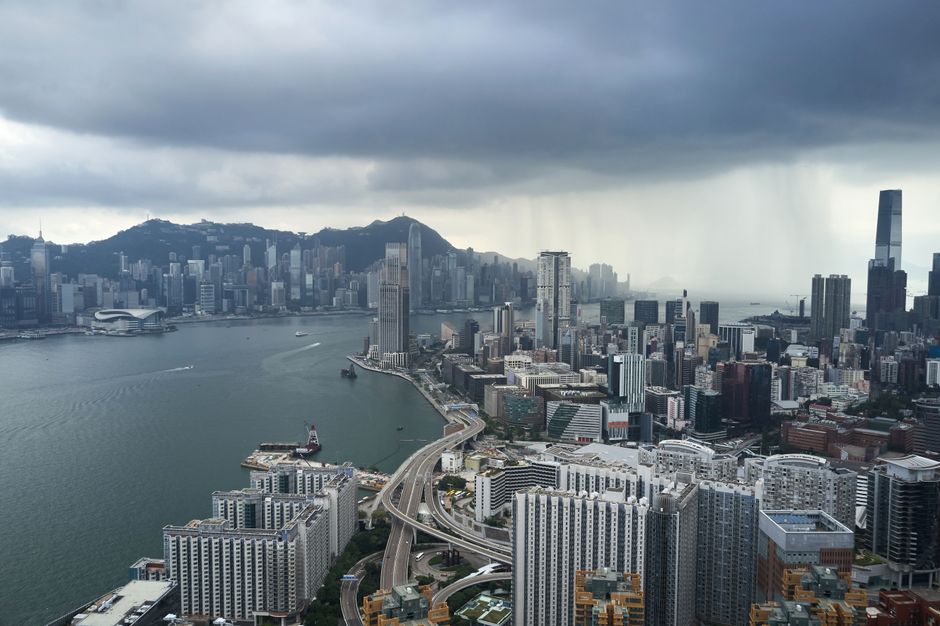
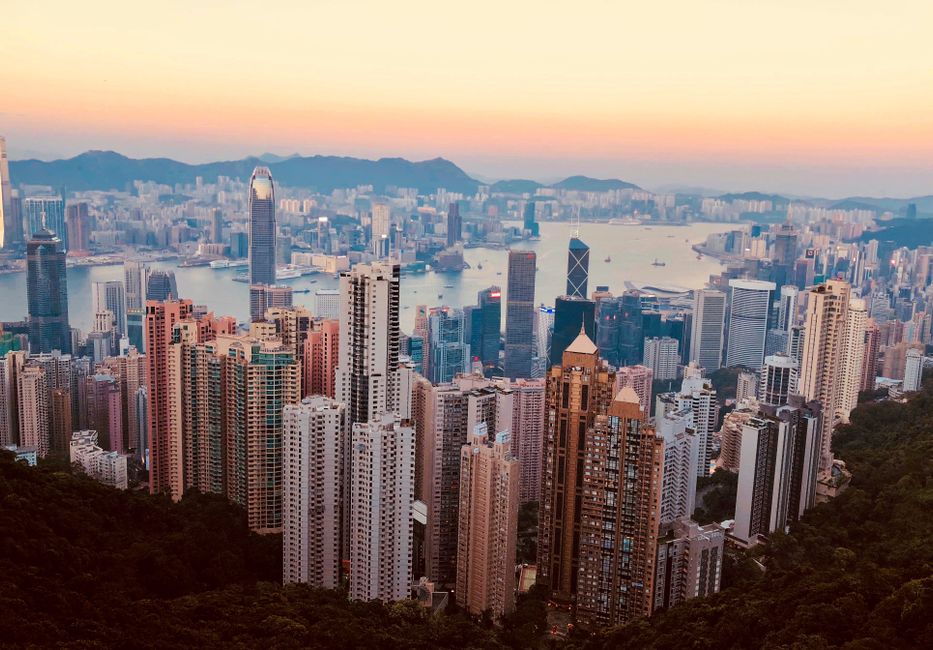
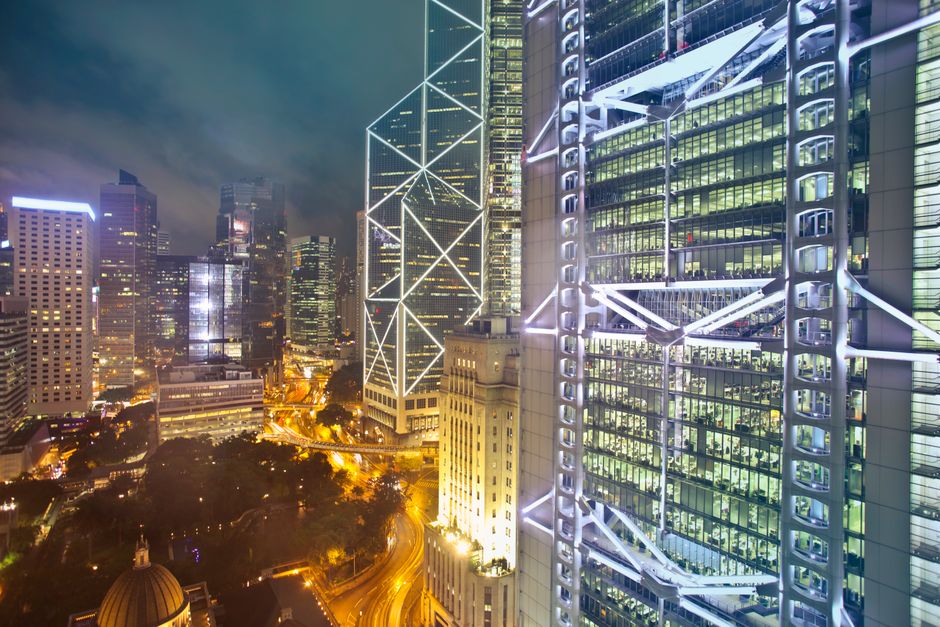
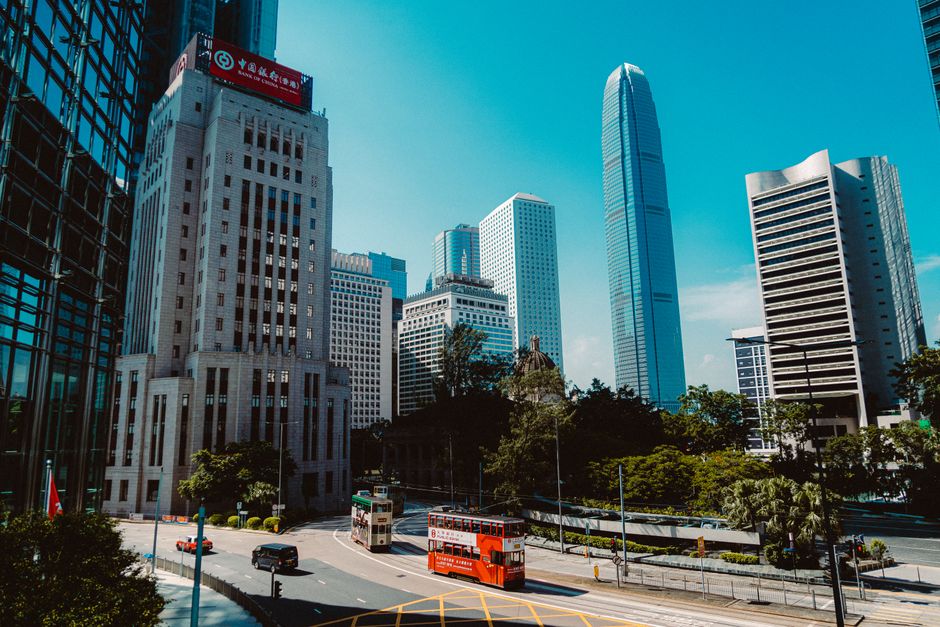
Hong Kong's retail, hospitality and food sectors are facing an increasingly complex operating environment as geopolitical tensions and humanitarian crises abroad directly ripple through local business fundamentals.
The escalating U.S.-Iran standoff over the Strait of Hormuz—a critical shipping chokepoint—is already pressuring logistics costs for imported goods, impacting everything from wine imports at Central's upscale restaurants to luxury goods arriving at Causeway Bay's flagship stores. Restaurant operators report that high-end imports have seen freight premiums spike 12-15% in recent weeks, with some establishments along Wellington Street and Des Voeux Road passing modest price increases to customers.
Meanwhile, the humanitarian crisis in Venezuela is creating unexpected supply-chain ripples. Venezuela's agricultural collapse has reduced cocoa and coffee exports globally, pushing commodity prices higher. Local cafe chains operating across Soho, Sheung Wan and Mong Kok have absorbed some costs, though specialty coffee venues are quietly adjusting their menus and pricing. A medium cappuccino in Central's busier zones now averages HK$55-65, up from HK$48-55 a year ago.
The geopolitical volatility is also dampening international visitor confidence. Tourism arrivals for June are tracking 8-12% below last year's figures, according to preliminary data, directly affecting hotel occupancy rates and restaurant reservations in tourist-heavy areas like Tsim Sha Tsui and Wong Tai Sin.
Retail landlords across Pacific Place and IFC are reporting softening foot traffic from international shoppers, though domestic luxury spending remains relatively resilient. Property consultants note that mid-range shopping districts—Causeway Bay's smaller boutiques and Mongkok's street-level shops—are experiencing the most noticeable pressure.
The Middle East tensions are also reshaping hospitality staffing patterns. Several five-star hotels are reporting increased caution among expatriate workers considering assignments in the region, potentially affecting cross-regional talent mobility that normally supplements Hong Kong's hospitality workforce during peak seasons.
On a brighter note, the global instability is indirectly benefiting certain sectors. Wealthy investors and business travellers seeking safe-haven cities are driving selective demand for premium dining experiences and luxury accommodations, with Michelin-starred establishments in Central maintaining strong reservation books.
Industry observers suggest that agile operators—those diversifying supply chains, optimising local sourcing, and maintaining flexible pricing strategies—will navigate the current volatility better than competitors locked into long-term import contracts or dependent on tourism-driven revenue models. The next 12 months will likely test Hong Kong's retail and hospitality resilience more than any period since 2020.
This article was compiled by AI from the sources linked above and screened before publishing. See our editorial standards.