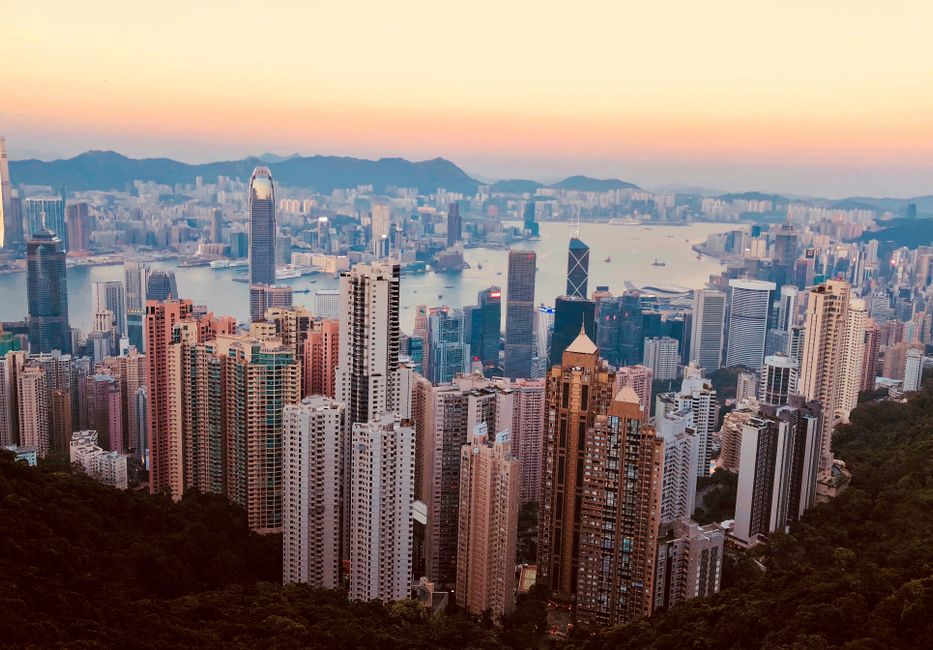
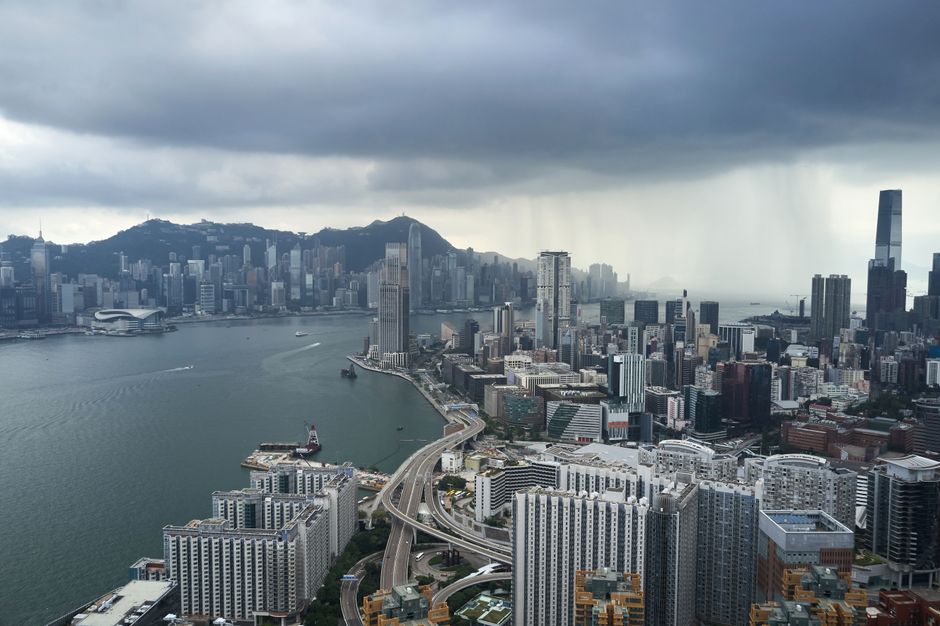
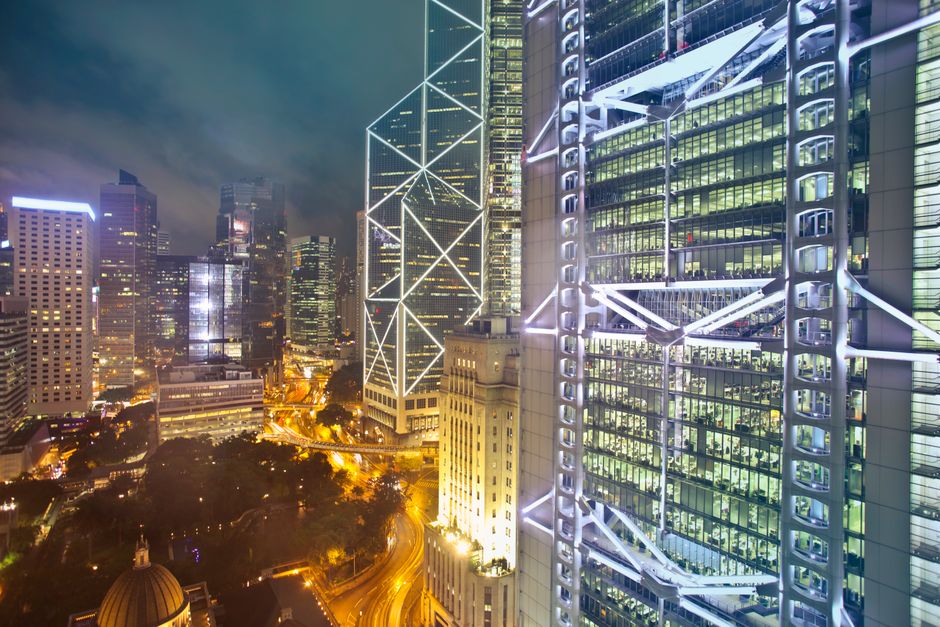
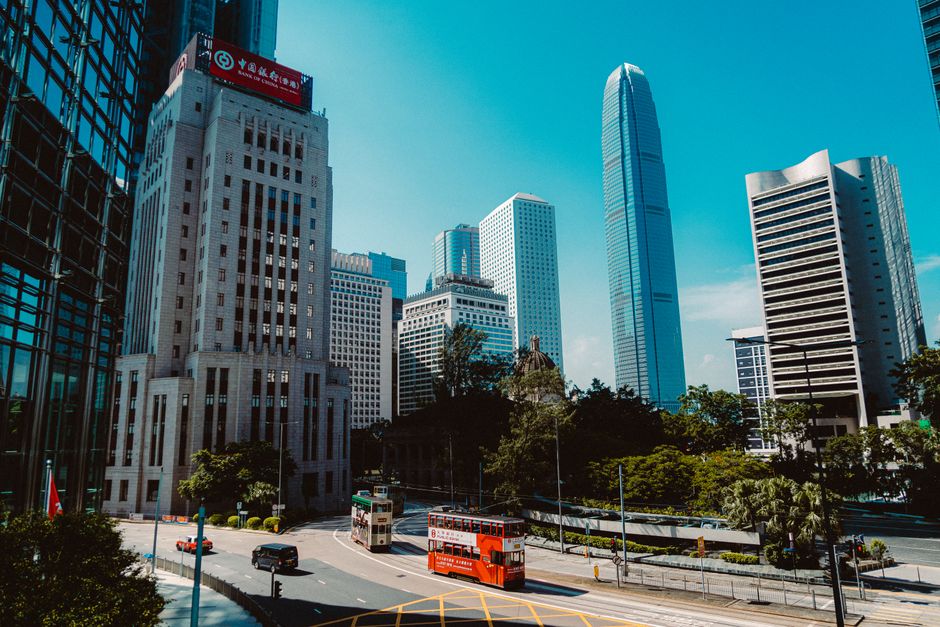
Hong Kong's trading floors are buzzing with cautious energy this week as business leaders grapple with a rapidly shifting global trade landscape. From offices clustered around Central and Sheung Wan's historic trading districts to the modern towers of Kowloon Bay, companies are reassessing strategies amid unpredictable tariff regimes and geopolitical friction that shows no signs of easing.
The numbers tell a sobering story. Hong Kong's June export orders fell 3.2 per cent year-on-year, marking the third consecutive monthly decline according to preliminary Census and Statistics Department data. Meanwhile, the Hong Kong dollar's peg to the US dollar continues to pressure local manufacturers already squeezed by wage inflation and rising logistics costs. For businesses with operations across North America, Europe, and Southeast Asia—Hong Kong's traditional trade triangles—the environment has become perilously uncertain.
Two trends are reshaping decisions at the negotiating table. First, companies are frantically diversifying supply chains away from single-source dependencies. Vietnam and India are capturing renewed attention, though tariff schedules there remain opaque. Second, firms are accelerating nearshoring strategies, moving some production closer to consumption markets to avoid cross-border duties altogether.
"The old playbook of optimising for cost alone is dead," explains a logistics consultant based in Central, where freight forwarders crowd the offices of international shipping lines. "Resilience now commands a premium."
This shift has implications for Hong Kong's role as Asia's leading entrepôt. The city's warehousing sector, particularly in Kwai Tsing and Tuen Mun, is experiencing mixed demand. Bonded storage facilities are well-utilised as traders hold inventory longer, waiting for tariff clarity that may not come. Yet throughput volumes at Hong Kong's container terminals have moderated from the post-pandemic surge, settling into a new equilibrium.
For small and medium enterprises—the backbone of Hong Kong's trading economy—the stakes are particularly high. SMEs lack the balance sheets to absorb inventory write-downs or navigate complex tariff recalculations. Many are exploring digital trade platforms and regional trade agreements like RCEP to find legal pathways around tariffs, though adoption remains patchy.
Currency hedging has become mandatory rather than optional. The Hong Kong dollar's stability masks the volatility affecting trading partners in CNY, INR, and VND, creating hidden risks in multi-currency contracts.
For businesses operating from Hong Kong's commercial heartland, the message is clear: adapt or fade. Those investing in supply chain transparency tools, diversifying geographically, and building flexibility into contracts will weather the storm. The question is not whether these trends will persist—they will—but how quickly companies can pivot.
This article was compiled by AI from the sources linked above and screened before publishing. See our editorial standards.