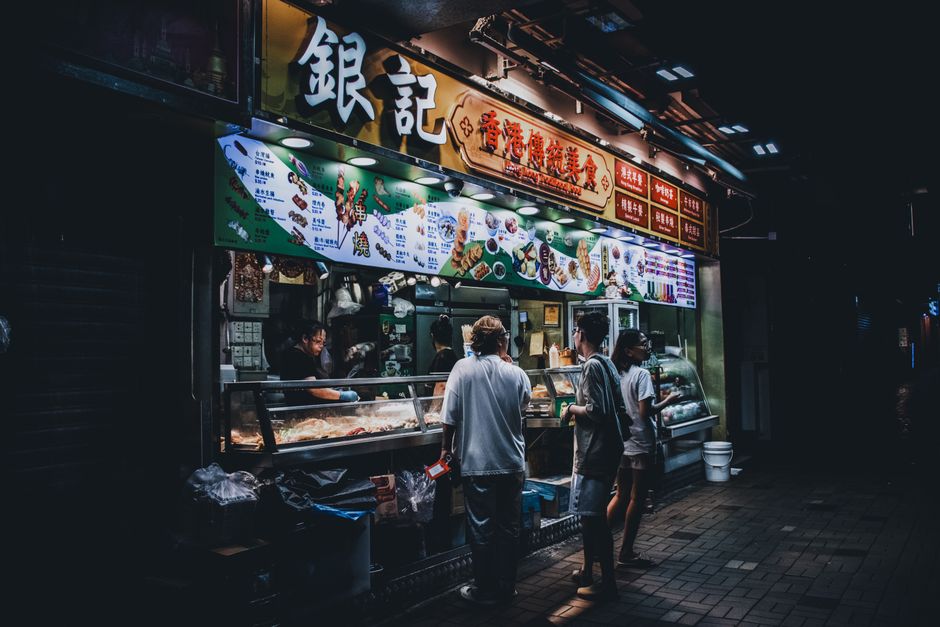
Walk down Sai Yeung Choi Street in Mong Kok on any weekday afternoon and the picture becomes clear: shop shutters are coming down faster than new businesses can replace them. This year, Hong Kong's small business owners are confronting a convergence of pressures that threaten to squeeze already-thin profit margins to breaking point.
Retail rents in prime districts have stabilized from their pandemic lows, but they remain punishing. A modest 500-square-foot shop in Causeway Bay now commands upwards of HK$80,000 monthly—a figure that forces proprietors to chase higher-margin goods and services just to cover occupancy costs. Mid-tier neighborhoods fare little better. Even in less glamorous pockets of Wan Chai and North Point, landlords are testing the market, knowing Hong Kong's scarcity value keeps them competitive against international alternatives.
Labor remains another acute headache. With youth unemployment hovering near five-year lows and younger workers gravitating toward white-collar roles in tech and finance, F&B operators and retail managers struggle to fill positions. Wage pressures have climbed steadily; a junior shop assistant in Tsim Sha Tsui now expects HK$18,000-20,000 monthly, up roughly 8 percent year-on-year. For small teams operating on thin margins, that math no longer works.
Consumer spending tells a cautionary tale too. Tourist arrivals have recovered to pre-2020 levels, but spending patterns have shifted. Visitors increasingly favor digital experiences and chain establishments over independent boutiques. Local discretionary spending, meanwhile, remains subdued—wage growth has lagged inflation, and property prices continue their long squeeze on household budgets.
The regulatory environment adds another layer of complexity. Compliance costs for data protection, employment law, and environmental standards continue climbing, hitting smaller operators disproportionately hard since they lack dedicated compliance teams. A neighborhood café or independent clothing retailer cannot absorb these costs the way a large chain can.
Yet there are glimmers of adaptation. Some entrepreneurs in neighborhoods like Sheung Wan and Sham Shui Po are finding success by blending retail with experiential services—pop-up events, workshops, community gatherings—to justify footfall and justify premium rents. Others are aggressively moving online, using Instagram and TikTok to reach customers beyond their physical location.
The Hong Kong Federation of Small and Medium Enterprises reports that morale among members has dipped to levels not seen since 2023. The organization warns that without targeted support—lower business registration fees, rental subsidies for struggling sectors, or streamlined visa pathways for skilled workers—the city risks losing more of the entrepreneurial diversity that historically set it apart.
For now, Hong Kong's small business sector is in holding pattern: surviving, but not thriving, and watching 2027 with cautious uncertainty.
This article was compiled by AI from the sources linked above and screened before publishing. See our editorial standards.