Hong Kong's startup ecosystem has matured dramatically. The city now hosts over 3,000 active startups, according to recent tech industry surveys, and venture capital deployment has accelerated beyond traditional finance into consumer-facing services. But what does this boom actually mean for ordinary residents navigating their daily lives?
The most visible change is geographic. Innovation districts are no longer confined to Silicon Valley-style parks. Kowloon Bay's emerging tech corridor—anchored by the Kowloon Bay International Trade & Exhibition Centre and neighbouring developments—now competes with Central's traditional office space. This shift is practical: it means shorter commutes for workers, reduced congestion on the Tseung Kwan O line during peak hours, and commercial rents that are finally becoming sustainable for non-finance sectors.
What consumers should watch closely is the proliferation of "last-mile" delivery startups and food-tech platforms. Companies born in hubs like Cyberport in Ap Lei Chau are directly reshaping how Hongkongers order meals and receive packages. Delivery times have compressed to under 30 minutes in central districts, but convenience comes with hidden costs: gig workers often lack basic protections, and the competitive pressure on restaurants has squeezed already-thin margins. Your cheaper meal might be subsidized by venture capital that evaporates when funding rounds dry up.
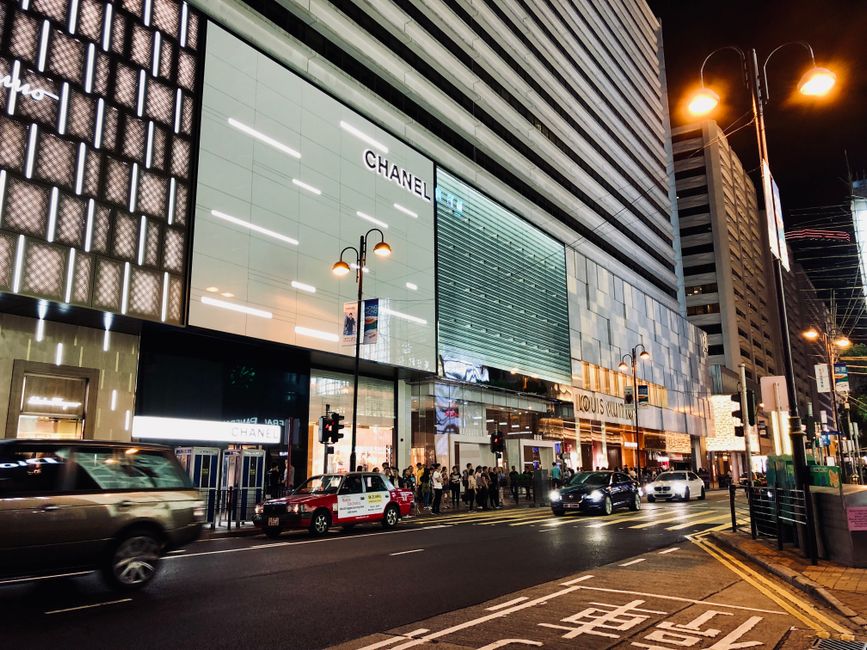
Real estate is another key consideration. As startup hubs attract talent and capital, landlords in surrounding neighbourhoods see opportunity. Causeway Bay has witnessed gentrification-like pressure as tech companies lease office space, driving up rents for retail tenants. Family-run shops are being displaced by modern workspaces and trendy cafés catering to young professionals. This reshapes neighbourhood character in ways that aren't always positive for long-term residents.
The regulatory environment also matters to your pocket. The Hong Kong government has actively courted fintech and web3 startups through tax incentives and faster business registration. This creates competitive advantages for tech entrepreneurs but raises questions about oversight. Several crypto platforms based here have collapsed, affecting thousands of retail investors—many ordinary Hongkongers with modest savings.
Smart residents should ask: Which neighbourhood changes are permanent? Will innovation create stable jobs, or just gig work? Are new services genuinely improving life, or simply extracting data and subsidizing consumption temporarily?
Hong Kong's startup boom is real and reshaping the city. Understanding how it affects your neighbourhood, your job market, and your consumer choices is now essential to navigating modern Hong Kong.
This article was compiled by AI from the sources linked above and screened before publishing. See our editorial standards.