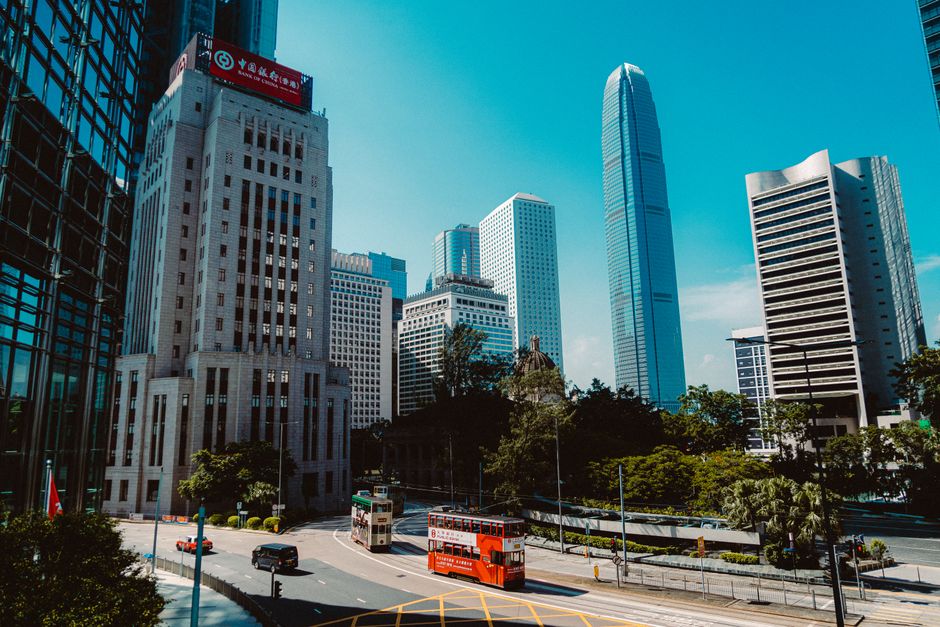
Walk down Lyndhurst Terrace in Central any weekday morning and you'll notice a shift in the retail landscape. Where generic souvenir shops once dominated, boutique wellness retailers have begun staking their claims, riding a consumer wave that shows no signs of slowing.
The Hong Kong wellness retail market has grown 23 per cent year-on-year since 2024, according to preliminary data from the Hong Kong Retail Management Association. While multinational players like Sephora and international health chains maintain their foothold, independent entrepreneurs are discovering a lucrative niche: curated, locally-attuned wellness experiences that resonate with Hong Kong's health-conscious demographic.
One beneficiary is the cluster of independent wellness shops emerging in Sheung Wan, where rents—while steep—remain more manageable than Central. These entrepreneurs focus on locally-sourced supplements, traditional Chinese medicine-adjacent products, and premium skincare lines unavailable through major department stores. The typical independent operator reports monthly foot traffic of 800 to 1,200 customers, with average transaction values between HK$450 and HK$680.
"The opportunity lies in specificity," explains one veteran of Hong Kong's retail sector who has watched the transformation unfold. Independent retailers are leveraging Instagram and WhatsApp communities to build loyal customer bases, something larger chains struggle to replicate. By focusing on niche segments—whether vegan supplements, Korean beauty, or wellness coaching bundles—small operators are commanding premium margins that offset higher rents.
Causeway Bay's transformation offers another case study. While the district's traditional retail crisis persists, wellness and fitness-adjacent retail has expanded. Pop-up consultancy services, premium nutrition bars, and bespoke supplement shops now share blocks with struggling fashion retailers, suggesting a fundamental shift in consumer priorities post-2024.
The Hong Kong Chamber of Small and Medium Enterprises has noted increased enquiries about wellness retail licensing and supply chains, particularly from entrepreneurs aged 30 to 45 seeking to escape traditional corporate roles. Startup capital requirements remain significant—typically HK$400,000 to HK$800,000 for a modest Sheung Wan or Sai Ying Pun location—but payback periods of 18 to 24 months are increasingly common.
However, challenges persist. Competition from e-commerce remains fierce, and international brands continue aggressive expansion. Yet for entrepreneurs willing to invest in community-building and product curation, Hong Kong's wellness retail sector presents a genuine opening. The question for established players isn't whether this trend will continue, but whether they can move quickly enough to adapt.
This article was compiled by AI from the sources linked above and screened before publishing. See our editorial standards.