Hong Kong's job market stands at a crossroads. While headline unemployment figures hover around 2.9%, deeper economic signals paint a more nuanced picture of where investment is flowing and what that means for workers across the territory.
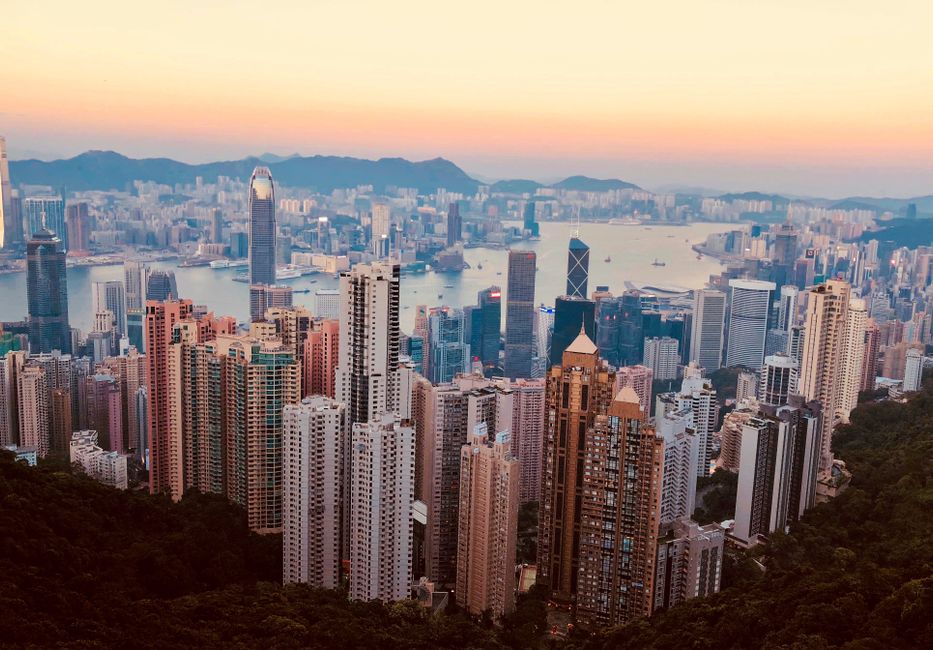
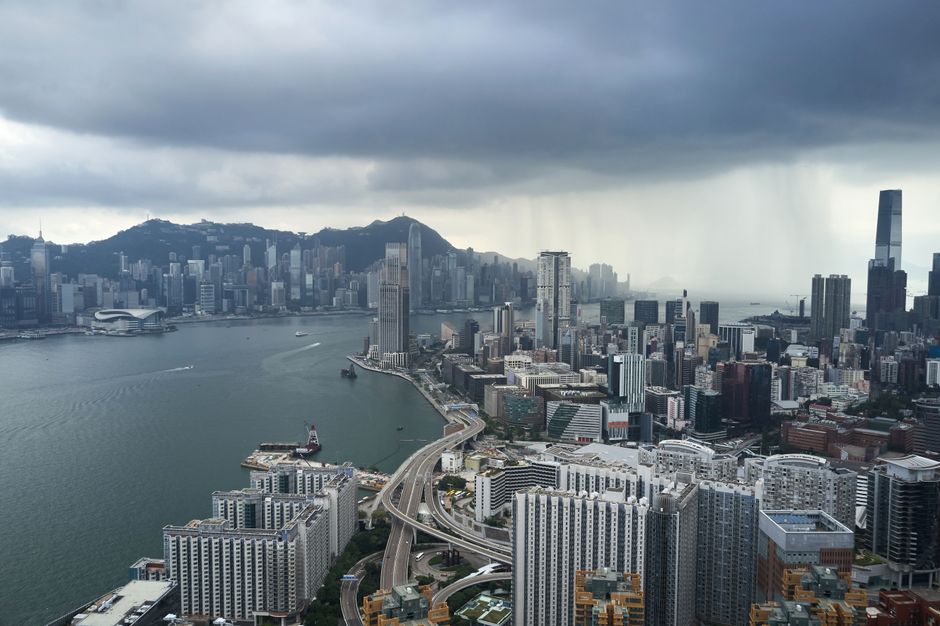
The most telling indicator comes from the Census and Statistics Department's latest labour force data, which shows persistent weakness in certain sectors even as others recover. Retail positions in Central and Causeway Bay remain under pressure, with footfall-dependent businesses reporting slower hiring despite the return of mainland tourists. Meanwhile, technology and financial services roles in the Sheung Wan and Admiralty corridor are commanding premium salaries—suggesting investors see genuine growth potential there rather than temporary demand.
International fund flows offer another crucial lens. Over the past quarter, foreign investment into Hong Kong venture capital and fintech initiatives increased by approximately 18%, according to Hong Kong Investment Promotion Agency data. This capital concentration reflects investor confidence in specific sectors, not the economy broadly. When multinationals choose to expand back-office operations here versus Singapore or Shanghai, employment follows. When they don't, even stable sectors like insurance feel the ripple effects.
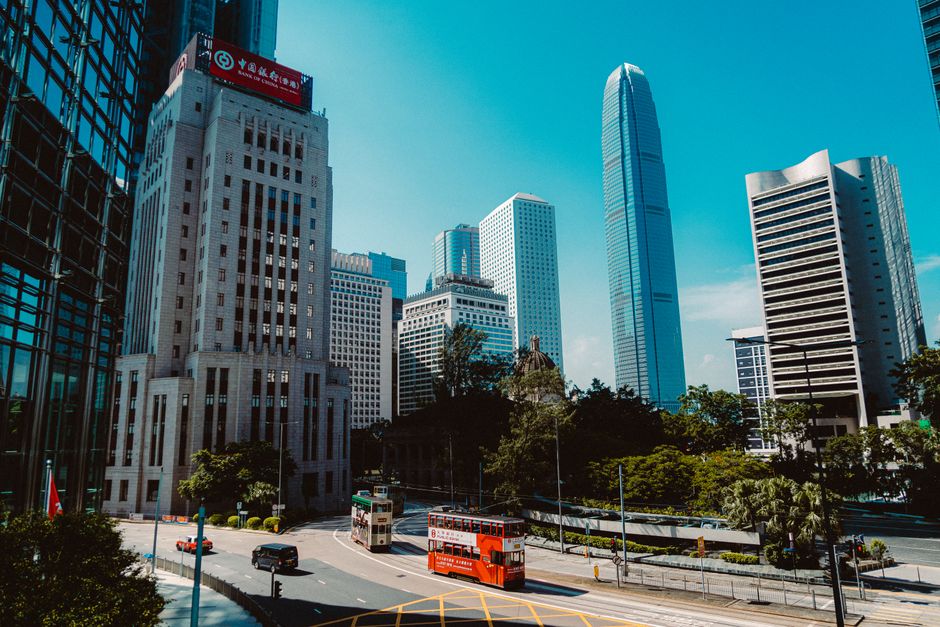
Property-linked employment tells its own story. While commercial real estate prices in premium locations like Exchange Square haven't collapsed, leasing velocity has slowed considerably. This translates directly into reduced demand for construction workers, property managers, and support services—a quiet but measurable employment headwind affecting lower-income workers disproportionately.
The Hang Seng Index's performance matters too, though many overlook the connection. When the index strengthened earlier this month, it unlocked wealth effects that boosted discretionary spending, briefly lifting hiring in hospitality and luxury retail near Pacific Place. Conversely, weakness erodes confidence and delays hiring decisions by corporate finance teams in Sheung Wan's banking district.
What should job seekers and employers watch? First, the direction of foreign direct investment by sector—tech and logistics are currently favoured. Second, wage growth rates by industry: roles in emerging sectors are seeing 4-6% annual increases, while traditional sectors lag at 1-2%. Third, vacancy duration: when positions stay unfilled longer, it signals either skill mismatches or weakening employer confidence rather than genuine labour shortages.
Hong Kong's economy isn't suffering a crisis, but it's experiencing selective recovery. Investment is flowing toward specific pockets—fintech in Sheung Wan, logistics in the airport zone, biotech in Sha Tin—while other neighbourhoods and sectors adjust. Reading these patterns correctly helps explain why unemployment feels stable yet job switchers report it's simultaneously harder to find positions in their field. The market is segmenting, and economic indicators are increasingly important for navigating it.
This article was compiled by AI from the sources linked above and screened before publishing. See our editorial standards.