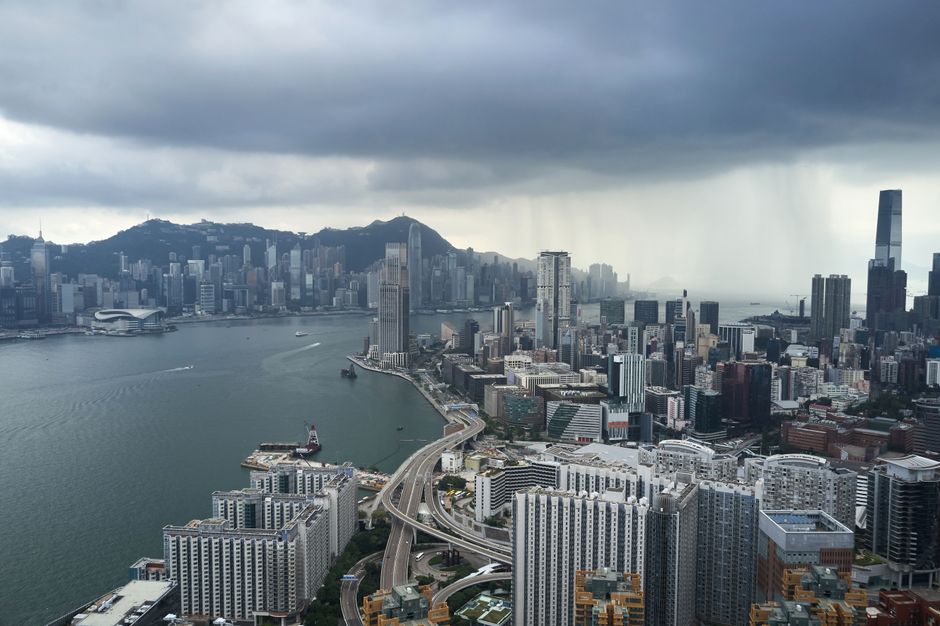
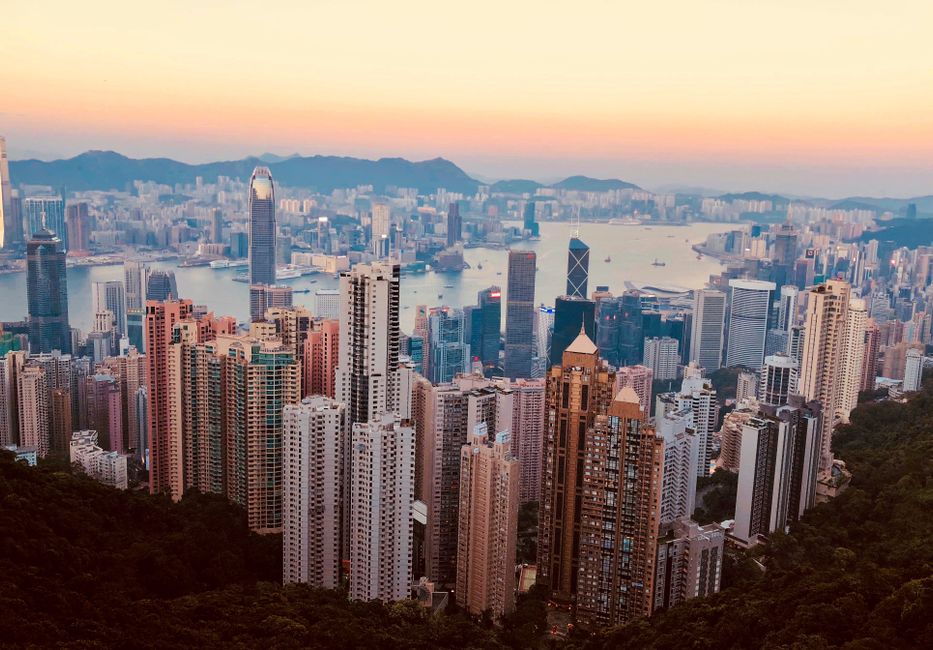
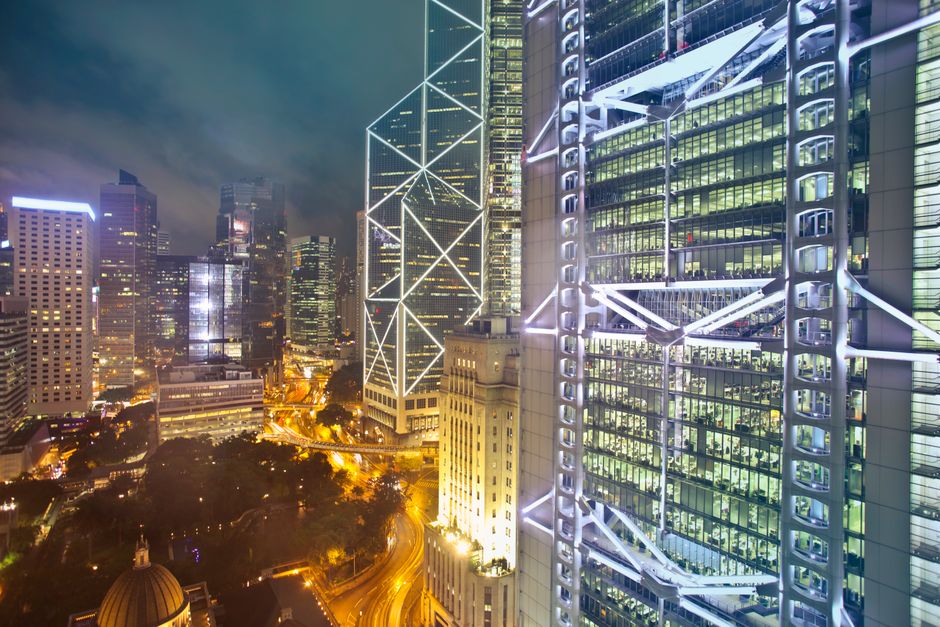
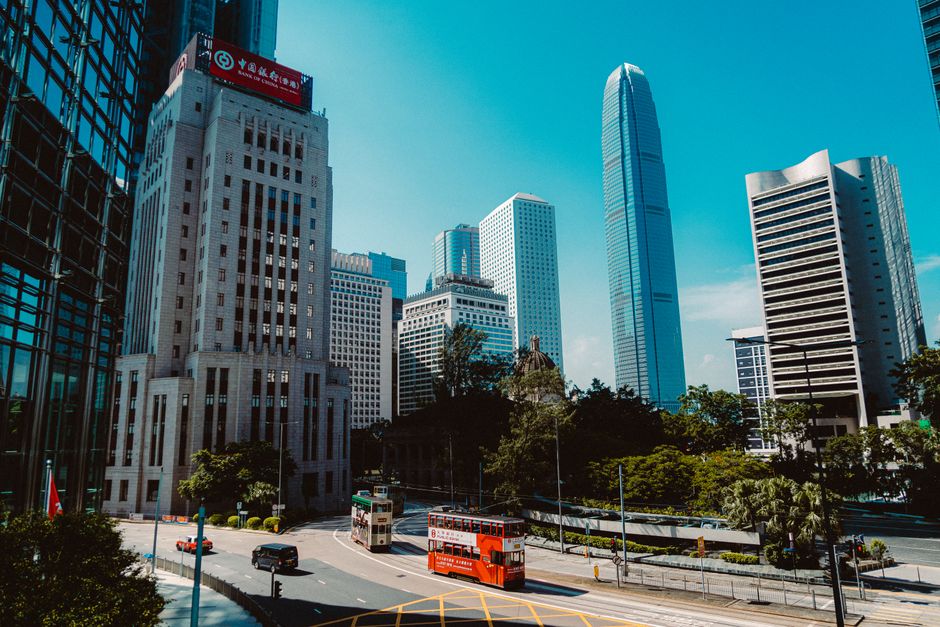
Walking through the corridors of the Hong Kong Exports Council building on Hennessy Road in Wan Chai, one encounters a palpable sense of anxiety among the city's trading elite. Midway through 2026, international trade—the lifeblood that has sustained Hong Kong's prosperity for generations—faces unprecedented headwinds that are reshaping business fundamentals across the territory.
The convergence of multiple crises has created what industry insiders call a "perfect storm." Escalating geopolitical tensions in the Middle East and South China Sea have disrupted shipping routes and insurance premiums. Container rates from Hong Kong to Rotterdam have surged 34% year-on-year, according to data from the Hong Kong Shippers Council, while marine insurance costs have jumped 18%, squeezing already-thin margins for mid-sized trading firms.
Beyond logistics, tariff uncertainty continues to paralyse decision-making in the trading houses clustered around Des Voeux Road Central. The unpredictability of trade policy—driven by shifting global alliances and bilateral tensions—has made forward contracting increasingly risky. "We're operating month-to-month rather than with the six-month visibility we once enjoyed," notes one senior trader at a Central-based firm, speaking on condition of anonymity.
Venezuela's economic collapse and Angola's commodity volatility have further complicated sourcing strategies for Hong Kong's trading community, which historically drew significant volumes from Latin America and Africa. Meanwhile, unresolved Pakistan-Afghanistan tensions threaten stability across key South Asian supply chains that Hong Kong traders rely upon for everything from textiles to minerals.
The Chamber of Hong Kong Listed Companies has flagged rising operational costs as trading houses hire additional compliance and risk management personnel to navigate the complex regulatory landscape. Recruitment for supply chain specialists in the Admiralty and Causeway Bay office districts has intensified, but salary inflation has reached 12-15% year-on-year for mid-level positions.
What distinguishes the current environment from previous downturns is the simultaneity of challenges. Unlike previous cycles, when traders could pivot between regional markets, today's geopolitical fragmentation offers fewer alternatives. The potential for formal tariff escalation looms larger than at any point since 2023, according to analysts at the Federation of Hong Kong Industries.
Despite these pressures, Hong Kong's traders are adapting. Some firms are diversifying supply chains into Southeast Asia and India, while others are investing in digital platforms to improve efficiency. Yet the consensus among business leaders is clear: 2026 will test whether Hong Kong can retain its position as a global trading hub when the fundamentals supporting that role are rapidly shifting.
This article was compiled by AI from the sources linked above and screened before publishing. See our editorial standards.