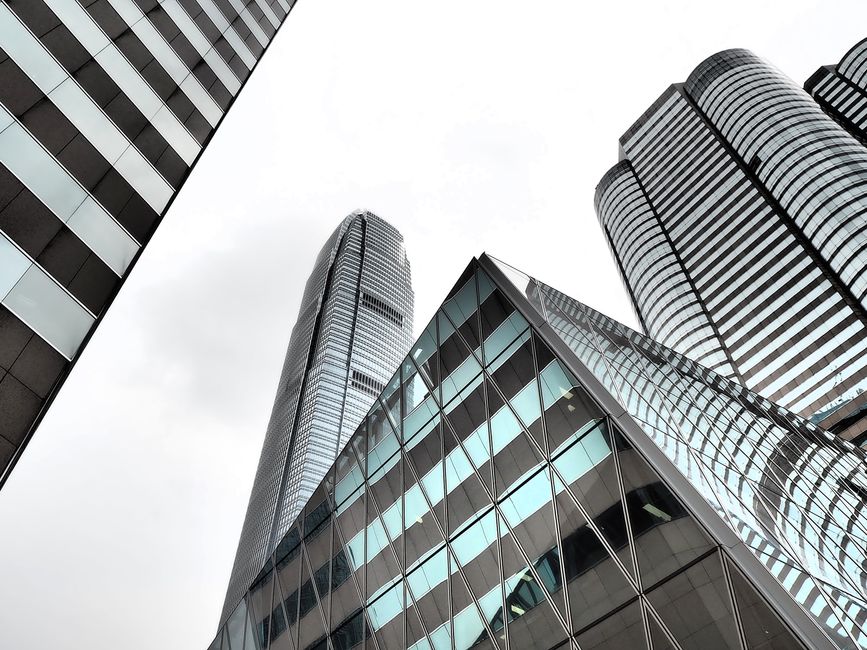
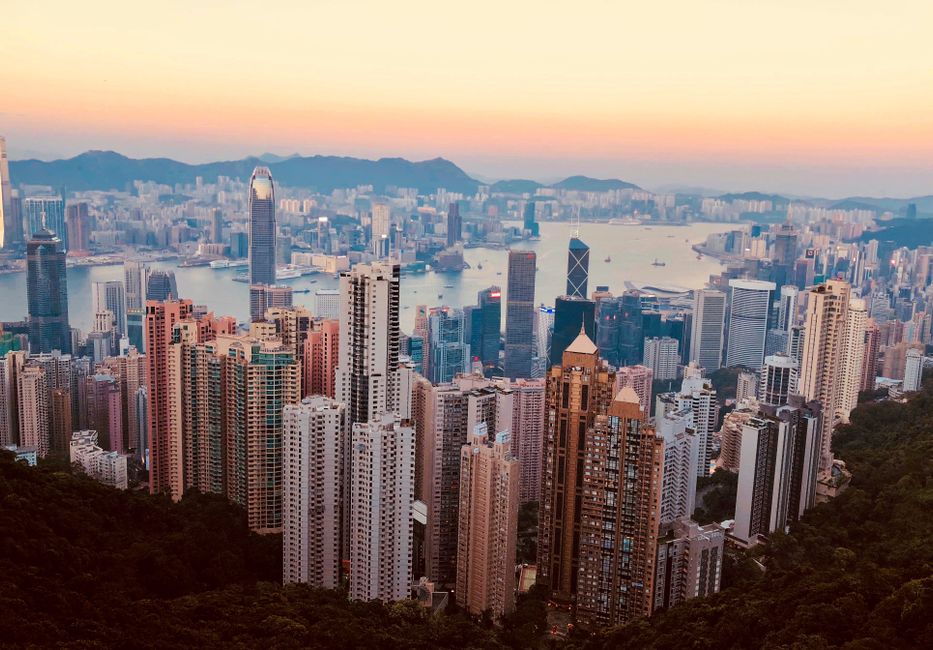
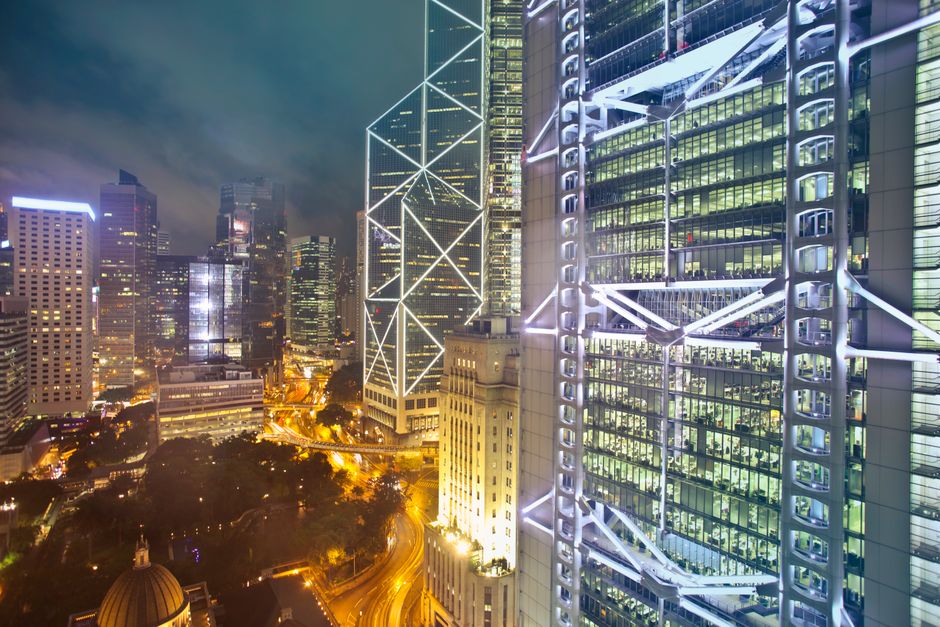
Walk through the lobbies of the gleaming towers along Des Voeux Road Central, and you'll find traders, bankers, and logistics managers hunched over spreadsheets, deciphering the same question: where is money actually moving in 2026?
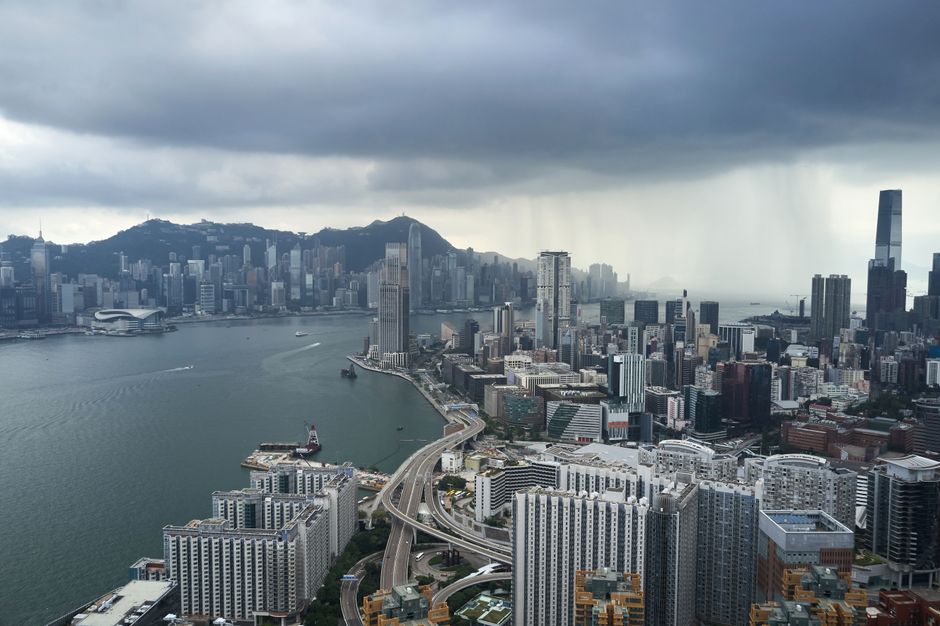
Hong Kong's role as a global trade gateway makes our economic indicators particularly revealing. Last quarter, the Port of Hong Kong handled 18.6 million twenty-foot equivalent units (TEU), down 3.2% year-on-year—a metric that economists watch like a pulse. That dip reflects something crucial: supply chain recalibration. Companies are hedging bets across multiple regions, not consolidating through a single hub as they once did.
The data becomes clearer when you examine money flows rather than just cargo volumes. Hong Kong's foreign direct investment (FDI) inflows reached HK$287 billion in the first half of 2026, with notable shifts in sector composition. Technology and renewable energy attracted 34% of that capital—up from 26% in the same period five years ago. Manufacturing, by contrast, attracted just 12%, a historic low.
What does this mean for businesses operating from offices in Central or warehouses in Kwai Chung? Capital is chasing innovation and green transition, not labour-cost arbitrage anymore. The days when cost-cutting drove investment decisions have largely passed.
Currency markets tell another story. The Hong Kong Dollar's strength against regional peers—tracking at 7.82 to the US dollar—reflects confidence in our financial stability amid broader uncertainty. Yet this creates headwinds for exporters, making products marginally less competitive internationally, though premium-branded goods fare better.
Consider the Hang Seng Index's sectoral composition: financials and technology now represent 48% of the index, versus 39% in 2019. This reflects where institutional investors globally perceive opportunity and stability. The message is unmistakable—Hong Kong's future lies in financial services, tech infrastructure, and cross-border capital facilitation, not traditional export manufacturing.
For small and medium enterprises in areas like Mong Kok or Wong Chuk Hang, these macro shifts carry real implications. Access to venture capital has become easier, but traditional bank lending has tightened. Trade financing costs have risen 40 basis points year-on-year, reflecting higher risk premiums across emerging markets.
The takeaway? Hong Kong's economic indicators aren't abstract figures—they're breadcrumbs showing us where global capital is flowing, where risks are perceived, and which sectors will thrive. Savvy businesses reading these signals have already begun repositioning. The question for everyone else is: are they reading fast enough?
This article was compiled by AI from the sources linked above and screened before publishing. See our editorial standards.