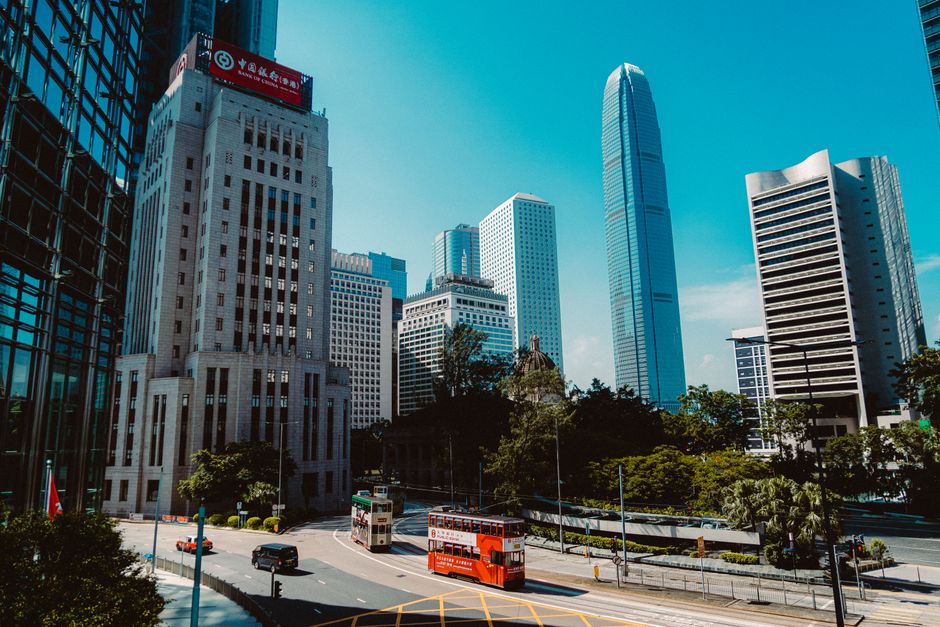
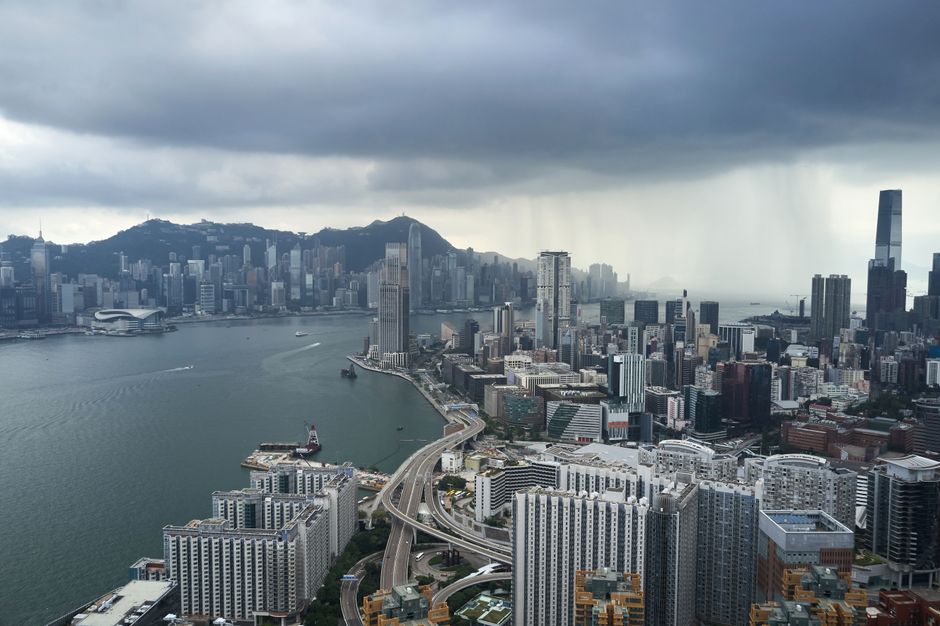
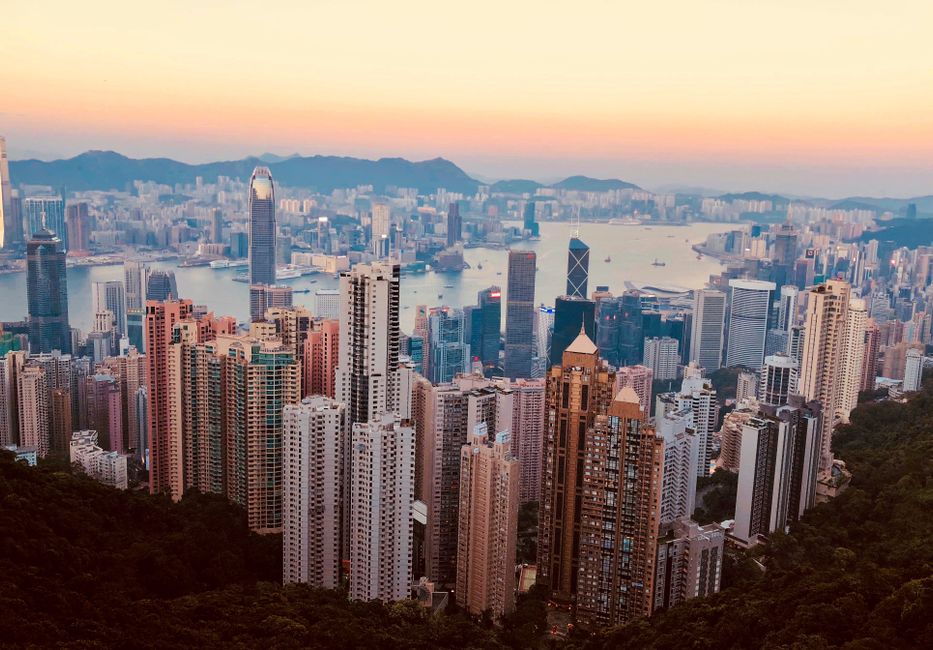
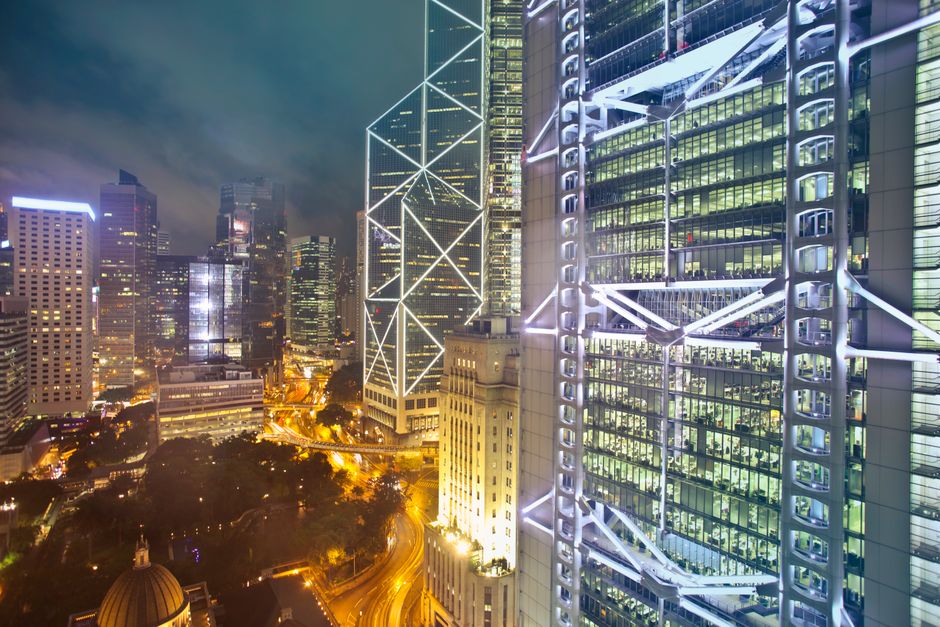
Walk through Central's gleaming office towers and you'll find portfolio managers, traders, and executives wrestling with a persistent question: where is global capital actually moving right now?
The answer lies in reading three critical economic indicators that are reshaping Hong Kong's role as an international financial hub. Understanding these signals can help business leaders navigate an increasingly fragmented world economy.
First, consider foreign direct investment flows. According to Hong Kong's Census and Statistics Department, FDI into the territory reached HK$1.8 trillion in 2025, up marginally from the previous year despite global uncertainties. However, the composition matters enormously. While traditional banking and finance remain dominant, venture capital and technology investments—particularly from Southeast Asia—are growing at double-digit rates. Firms operating out of Cyberport in Taikoo Place are increasingly attracting regional funding once destined for Silicon Valley.
Second, examine trade financing rates and currency movements. The Hong Kong dollar's peg to the US dollar (at 7.8 to one) creates a stable anchor during volatile periods, but recent months have seen shifting patterns in yuan settlement volumes. Over 40 per cent of Belt and Road Initiative-related transactions now use renminbi—a significant structural change that affects everything from shipping contracts to commodity pricing at the port in Kwai Tsing.
Third, track yield spreads on Hong Kong-issued debt. When investors become risk-averse, they demand higher returns on regional bonds. Current spreads on HK-dollar corporate bonds average 250 basis points above US Treasuries for BBB-rated issuers—elevated by historical standards, signalling investor caution about regional exposure despite Hong Kong's fundamentals remaining sound.
What do these indicators tell us? Capital is increasingly flowing toward assets perceived as having genuine diversification value. Hong Kong's strategic position—connected to mainland China, ASEAN supply chains, and Western capital markets—remains valuable precisely because global investors need exposure that hedges against further fragmentation.
For business leaders in Sheung Wan's trading houses or Admiralty's multinational offices, the message is clear: transparency about which regions your supply chains touch, clear communication about currency and geopolitical hedging, and agility in shifting capital allocation will increasingly define competitive advantage.
The flows of global capital tell a story. Right now, that story is about finding stability and diversification in an uncertain world—and Hong Kong, despite headlines elsewhere, remains one of the few places that genuinely offers both.
This article was compiled by AI from the sources linked above and screened before publishing. See our editorial standards.