The global trading system is splintering, and Hong Kong's business elite are quietly reaping the rewards. As geopolitical tensions reshape which countries can trade with whom, companies that can navigate the new maze of tariffs, sanctions and supply-chain restrictions are finding themselves in unprecedented demand.
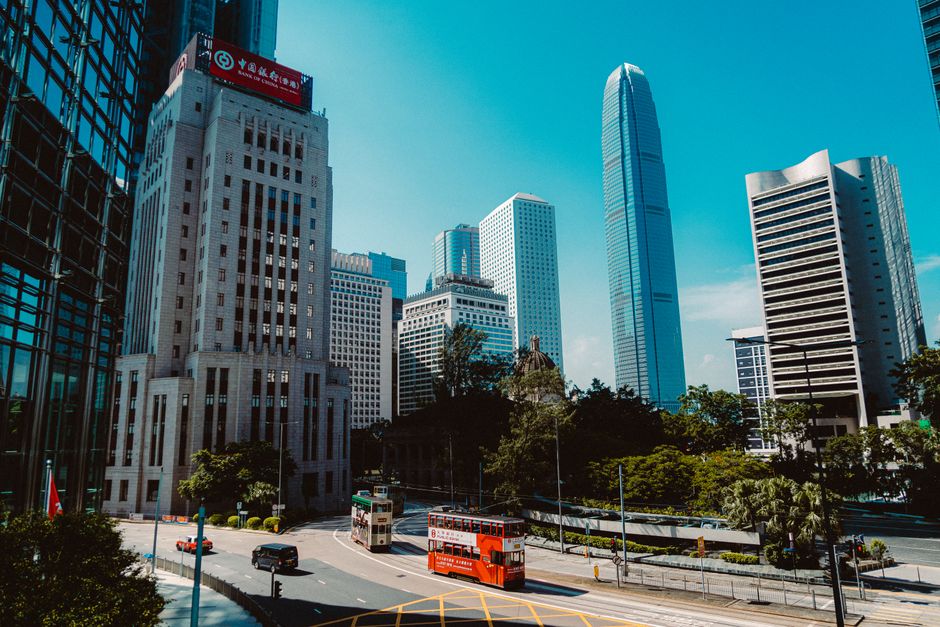
The shift is already visible along Des Voeux Road and throughout the trading floors of Central. Logistics operators are reporting their busiest quarters in five years, as multinational corporations reroute shipments to avoid tariff exposure. A mid-sized Hong Kong freight forwarding firm—one of dozens operating from modest offices in Sheung Wan—reports a 34 per cent increase in booking inquiries since January, with particular demand from electronics manufacturers seeking alternative routes into Southeast Asia.
The real beneficiaries, however, are the established players with deep relationships across ASEAN and South Asia. Li & Fung, the Quarry Bay-based supply-chain giant, has signalled expansion in Vietnam and Bangladesh operations. Simultaneously, smaller but agile trading houses—many family-run operations clustered around the Hong Kong Merchandise Mart near Mongkok—are winning contracts by offering flexibility that larger Western logistics firms cannot match.
"The last three years taught global manufacturers that single-source dependency is catastrophic," explains one Wan Chai-based import-export consultant, speaking on condition of anonymity. "Hong Kong traders understand multi-sourcing across Asia in ways nobody else does. That institutional knowledge is now worth real money."
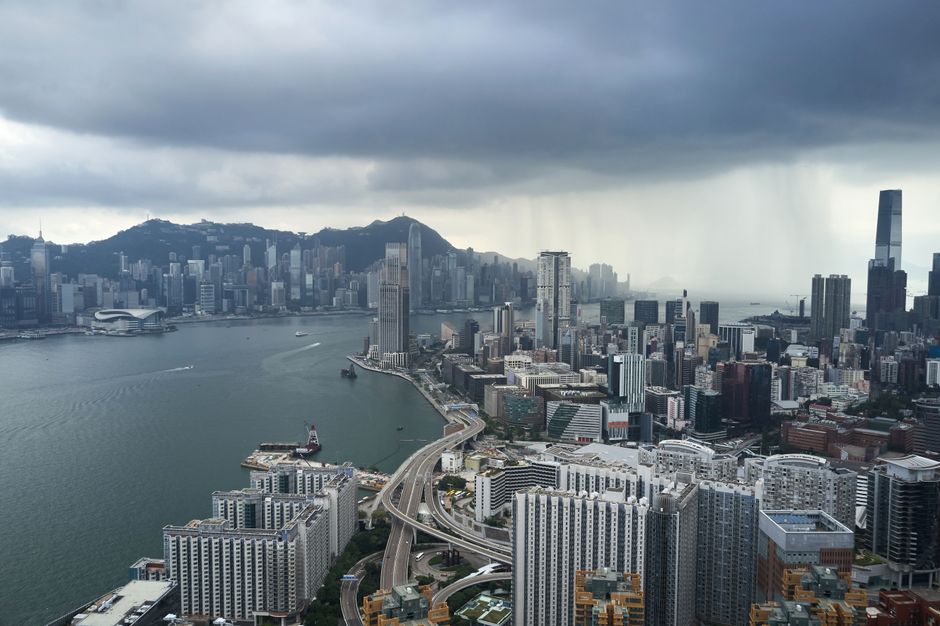
The Port of Hong Kong is handling record container volumes, though actual growth masks a deeper story: much of this reflects reshuffled routes rather than net-new trade. Yet for Hong Kong's intermediaries—the trading houses, freight forwarders, customs brokers and financial service providers—this reshuffling is profitable regardless.
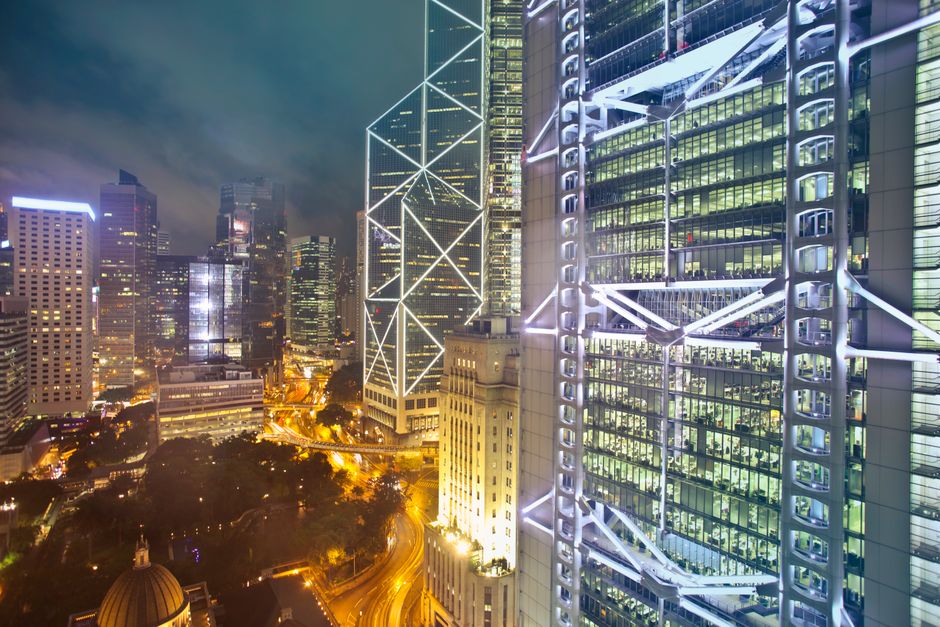
Bank of China branches on Queen's Road Central report surging demand for trade finance instruments, particularly letters of credit denominated in renminbi. Professional service firms in the IFC are expanding trade-law teams. Even landlords are noticing: office rents in Central's older buildings favoured by traders have risen 8-12 per cent since Q1.
The opportunity is not evenly distributed. Companies without existing networks in Vietnam, India and Indonesia are struggling to pivot fast enough. But those already positioned—whether through decades of ties or recent strategic hiring—are moving quickly to lock in higher margins before competition intensifies.
For Hong Kong, this moment offers a reminder of its enduring competitive edge: not as a financial centre alone, but as the connective tissue binding Asia's fractured supply chains together. Whether that advantage lasts depends entirely on whether the city can maintain the trust, infrastructure and institutional knowledge that makes it irreplaceable.
This article was compiled by AI from the sources linked above and screened before publishing. See our editorial standards.