The mounting instability across the Middle East and sub-Saharan Africa is forcing Hong Kong's trading community to make urgent operational decisions that will ripple through the city's economy for months ahead.
Recent developments—including escalating US-Iran diplomatic tensions, Pakistan-Afghanistan border clashes, and disease outbreaks disrupting African trade corridors—are creating a perfect storm for Hong Kong's import-export sector. The city handled HK$5.2 trillion in total trade last year, with roughly 40% of that traffic passing through or originating from regions now marked by heightened uncertainty.
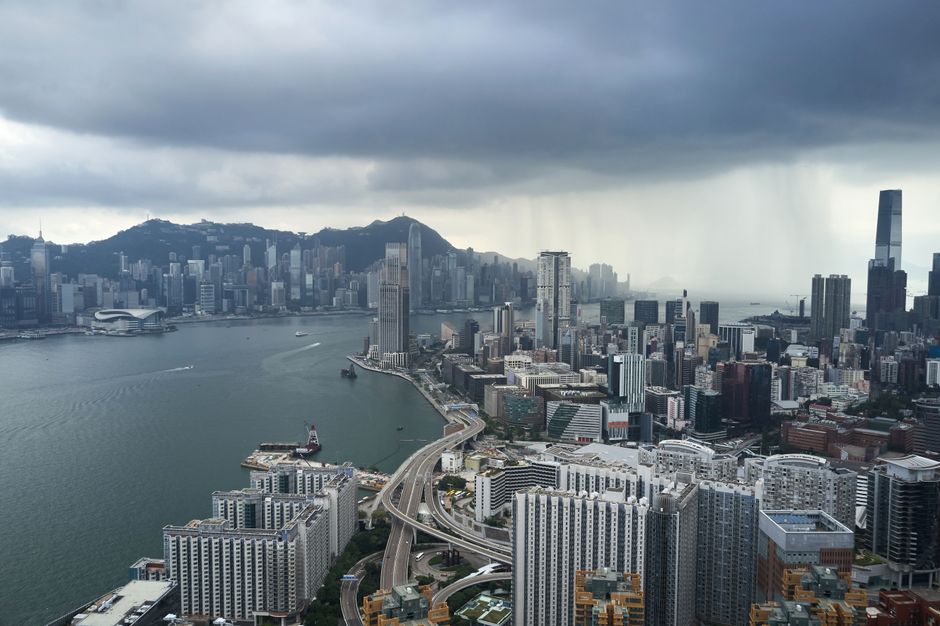
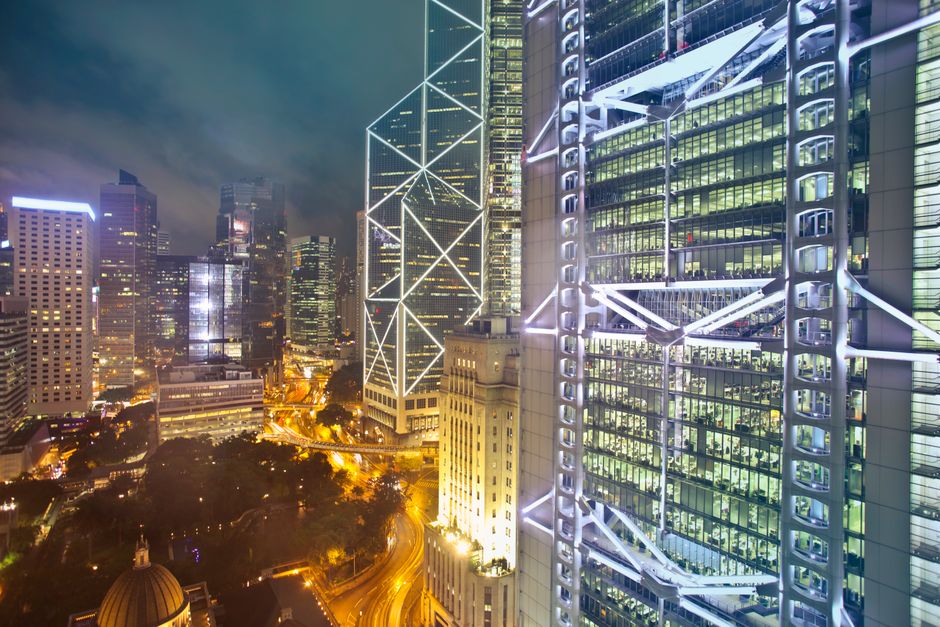
For companies operating from the trading floors of the Exchange Square complex in Central, the calculus has shifted dramatically. Shipping insurers are revising premiums for vessels transiting the Strait of Hormuz, through which nearly one-third of Hong Kong's oil imports flow. A senior operations director at a mid-sized logistics firm based in Kwun Tong, speaking on condition of anonymity, notes that transit times via traditional Middle Eastern routes have extended by an average of eight days, pushing companies toward expensive alternative pathways around Africa—adding approximately 15% to shipping costs.
Electronics manufacturers in the New Territories are also bracing for supply disruptions. Components sourced from suppliers in Pakistan and Iran-adjacent regions face unpredictable delivery windows. Several firms have begun pre-positioning inventory at bonded warehouses near the Hong Kong-Zhuhai-Macau Bridge, a strategy that increases carrying costs but reduces exposure to further route interruptions.
The industrial districts around Tuen Mun and Yuen Long are experiencing particular pressure. Textile and apparel exporters—who collectively ship over HK$50 billion annually—rely heavily on Middle Eastern transit hubs and African raw material suppliers. Trade finance officers report that letters of credit are taking longer to clear, and some regional banks are tightening credit lines for shipments destined for volatile areas.
Yet the crisis is also creating opportunities. Hong Kong's position as a neutral financial hub has attracted companies seeking to restructure supply chains away from high-risk corridors. Several trading houses have relocated regional headquarters to the Landmark building in Central specifically to manage this transition.
The broader message is clear: Hong Kong's businesses cannot insulate themselves from global instability. Whether it's tensions in the Strait of Hormuz, border conflicts, or disease outbreaks, these distant events have immediate, measurable impacts on everything from shipping costs to working capital requirements. For a city built on trade, the global context isn't background noise—it's business reality.
This article was compiled by AI from the sources linked above and screened before publishing. See our editorial standards.