Hong Kong's tourism recovery, once expected to roar through 2026, is now navigating treacherous global currents. Travel advisories issued by multiple governments, Middle Eastern tensions, and health concerns across Africa are reshaping visitor patterns to the city in ways that ripple through Central's luxury boutiques, Tsim Sha Tsui's hotel corridors, and the hawker stalls of Mong Kok.
The Hong Kong Tourism Board reported 3.2 million visitor arrivals in the first quarter of 2026—a respectable 12% increase year-on-year, but well below pre-pandemic peak levels. Yet this headline figure masks a troubling geographic shift. While Southeast Asian visitors to Lan Kwai Fong and Causeway Bay remain steady, bookings from North America and Europe have stalled. Travel insurance premiums for long-haul journeys to Asia have surged 18-24%, directly deterring mid-range tourists from spending the five to seven nights that justify the journey.
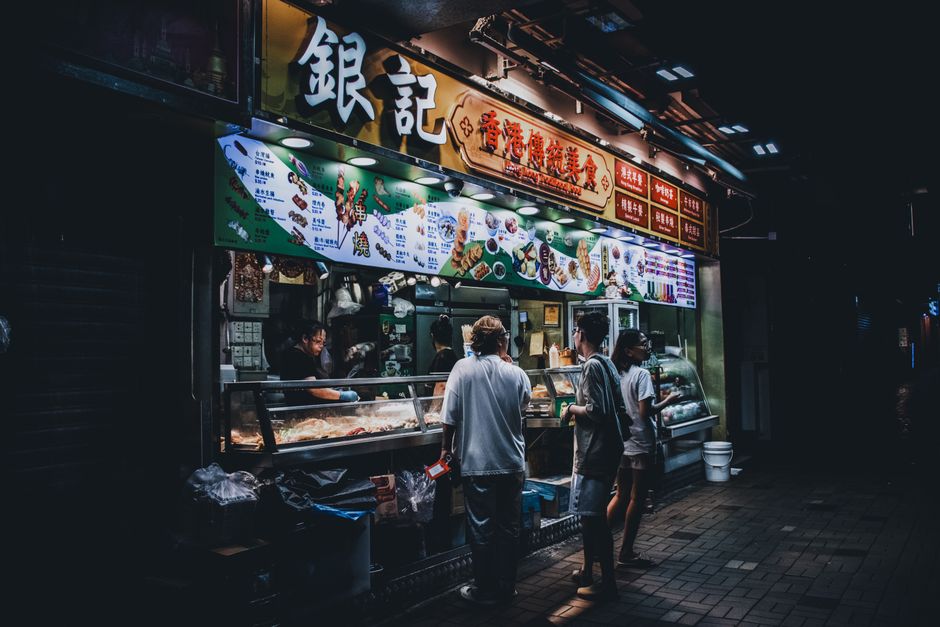
The impact on Hong Kong businesses is already tangible. Mid-range hotels along Nathan Road report occupancy rates hovering at 67%, down from 74% projections made three months ago. Premium establishments in Central and on Hong Kong Island maintain stronger bookings, suggesting wealth-insulated travel continues. But restaurants and attractions dependent on volume—dim sum palaces in Mong Kok, the Star Ferry terminals, and shopping districts along Des Voeux Road—face squeezed margins.
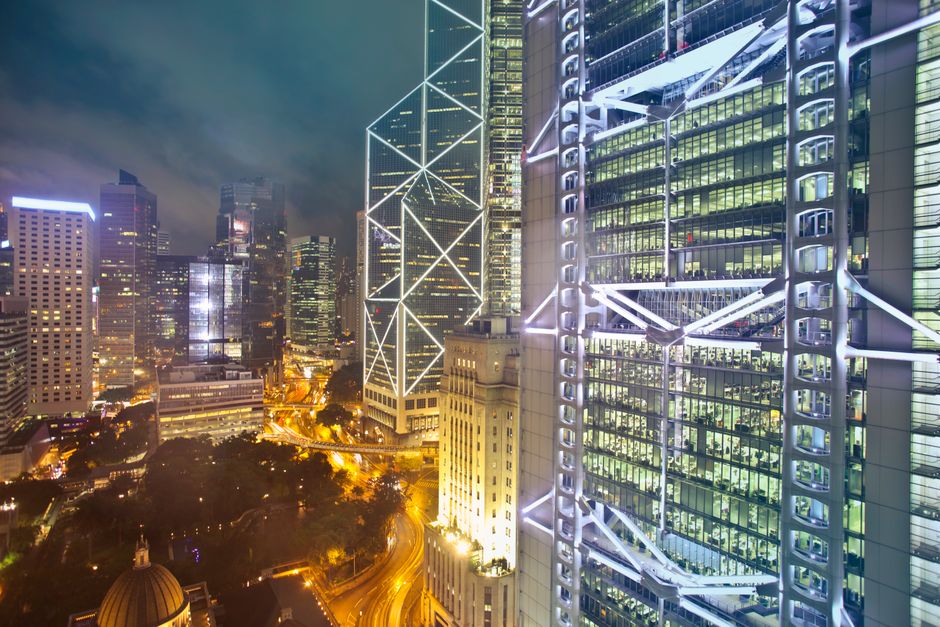
High-end retail has proven more resilient. Luxury goods sales on Pedder Street and throughout the Prince's Building remain robust, driven by regional wealth and duty-free shopping appeal. However, mass-market retailers report nervous inventory planning. "We're seeing customers take longer to decide," one manager at a Causeway Bay flagship told colleagues, reflecting hesitation among price-sensitive travellers uncertain about international stability.
Tour operators are recalibrating. Group bookings from the United States—historically 15-18% of Hong Kong's tourist mix—have contracted sharply as risk-averse travel coordinators redirect clients to less politically fraught destinations. Meanwhile, Chinese domestic tourism to Hong Kong, once expected to compensate fully, remains constrained by mainland travel patterns.
The convergence of global crises—from Middle Eastern diplomacy to African health emergencies—reveals Hong Kong's vulnerability as a luxury destination dependent on stable, affluent source markets. While the city's financial sector and trading hubs operate normally, the visitor economy's exposure to external shocks has never been more apparent. Business leaders are bracing for a longer, slower recovery than anticipated.
This article was compiled by AI from the sources linked above and screened before publishing. See our editorial standards.