This article was generated by AI from the linked public sources. The Daily Hong Kong is independently owned and covers Hong Kong news free from advertiser or sponsor influence. Read our editorial standards →
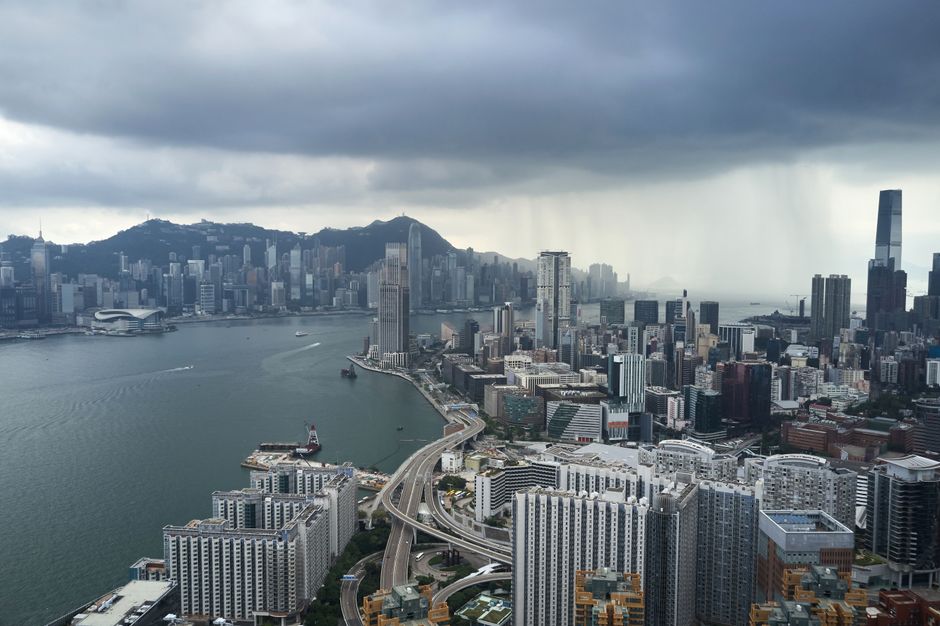
Hong Kong's retail and hospitality industries are navigating a bruising year, as operators across the city's prime commercial districts contend with a convergent squeeze on profitability and footfall. The challenges range from spiralling operating costs to changing consumer behaviour—a combination that has already forced several established brands to reassess their Hong Kong presence.
Landlord pressure remains acute. Rents in Causeway Bay remain stubbornly elevated, with flagship retail spaces commanding upwards of HK$1,200 per square foot annually, according to property consultants tracking the district. While slightly softer than pandemic peaks, recovery has been uneven. Independent café operators and mid-market fashion retailers report margins compressed to single digits, making renewal negotiations fraught. In Mong Kok, where foot traffic has proven less resilient, several long-standing dining establishments have quietly wound down operations in recent quarters.
Labour costs compound the pressure. Minimum wage stands at HK$37.50 per hour following recent adjustments, while hospitality workers increasingly demand better conditions. Restaurant groups operating across multiple sites—particularly in Central, where talent competition is fierce—report wage bills consuming 35-40% of revenue, up from historical norms of 28-32%. Recruitment remains challenging, with younger workers gravitating toward less physically demanding roles in fintech and professional services.
Consumer spending patterns are also shifting. While tourist arrivals have rebounded toward pre-2020 levels, their composition has changed. Luxury goods sales remain soft compared to five years ago, with high-net-worth visitors increasingly bypassing traditional retail for direct purchases online. Meanwhile, local discretionary spending shows signs of caution. Department stores in Central and Admiralty report softer performance in mid-tier fashion and home goods categories.
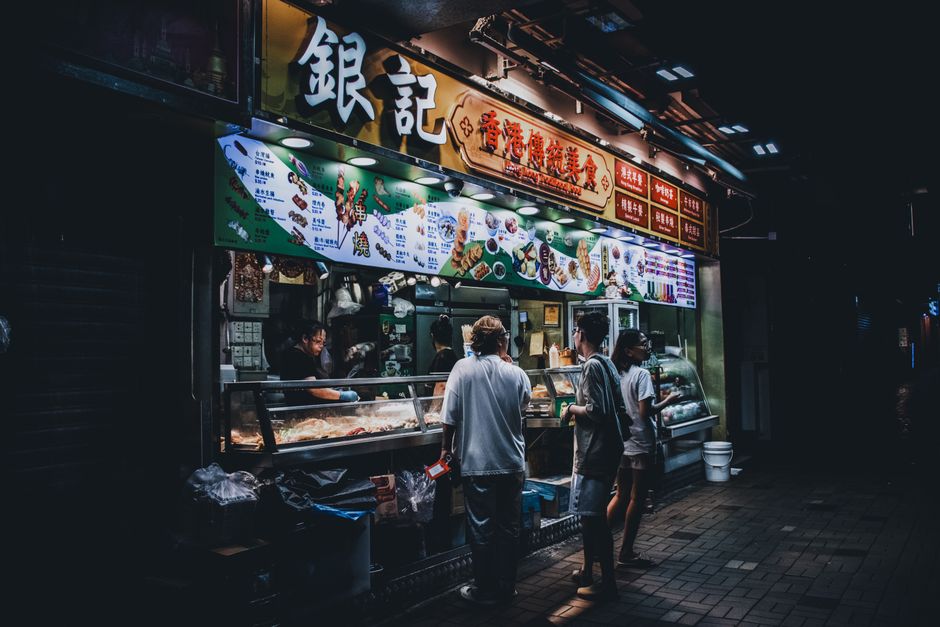
E-commerce and ghost kitchens have fundamentally altered competitive dynamics. Food delivery platforms now account for an estimated 18-22% of quick-service restaurant revenue, yet margins on these channels are razor-thin due to commissions. Traditional sit-down establishments face a Hobson's choice: embrace delivery at cost, or lose relevance among younger customers.
Bright spots exist. Premium dining in neighbourhoods like Sheung Wan has attracted investment, and experiential venues—concept stores blending retail with entertainment—show promise. Yet across the sector, the calculus has become unforgiving. Operators report that pre-2020 models for profitability are largely unachievable under current conditions. For many, 2026 has become a year of stabilisation rather than growth, with strategic consolidation likely ahead.
This article was compiled by AI from the sources linked above and screened before publishing. See our editorial standards.
Covering business in Hong Kong. This article was generated by AI from the linked sources and was not reviewed by a human editor before publishing. See our editorial standards.