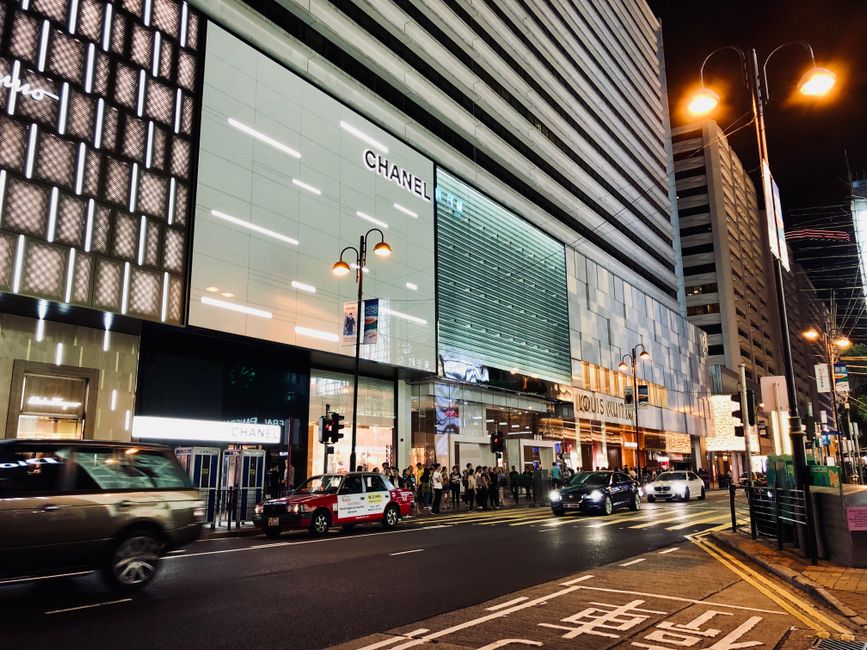
Walk down Nathan Road in Mong Kok on any weekday morning, and you'll find dozens of family-run eateries, tailors, and corner bookshops operating on margins thinner than a piece of wonton skin. These aren't quaint relics of old Hong Kong—they're crucial economic engines that many residents overlook, yet depend on daily.
Recent data from the Hong Kong Federation of Small and Medium Enterprises reveals that SMEs now account for over 98 per cent of all businesses in the territory, employing roughly 1.8 million people. That's nearly half the working population. Yet consumer behaviour patterns have shifted dramatically. While property costs on Granville Road in Causeway Bay have soared to record levels, forcing closures at a rate the Chamber of Commerce hasn't seen since 2008, foot traffic at neighbourhood shops has declined by an average of 12 per cent year-on-year.
The mathematics are brutal. A typical noodle stall in Central requires monthly rent of HK$80,000 to HK$120,000. With ingredient costs rising and delivery apps taking 30 per cent commissions, owners operate on razor-thin 5 to 8 per cent profit margins. What residents pay—HK$55 for a bowl of wonton noodles—often barely covers labour, ingredients, and rent.
Understanding this matters because your choices have direct consequences. When you order via a delivery platform instead of visiting in person, you're inadvertently transferring 30 per cent of your spend away from the owner. When you comparison shop online but buy in-store, you're supporting local employment and neighbourhood vitality. When you choose a Sham Shui Po fabric merchant over an e-commerce retailer, you're sustaining a sector that has historically absorbed workers during economic downturns.
The Hong Kong government's SME loan guarantee scheme, renewed in 2025, offers some relief—but awareness remains low among both owners and customers. Many residents don't realise that their loyalty card at a local dai pai dong or florist in Wan Chai directly affects whether that shop survives another year.
The city's small business ecosystem isn't separate from everyday life—it's woven through it. Neighbourhood shops provide employment flexibility, affordable goods, and cultural continuity that chain stores cannot replicate. As larger retailers consolidate around premium retail zones, the question facing Hong Kong is whether residents value convenience enough to let community commerce disappear, or whether they'll consciously support the network of small operators that have made this city liveable for generations.
Next time you're in your neighbourhood, ask yourself: is this shop here because I keep coming back?
This article was compiled by AI from the sources linked above and screened before publishing. See our editorial standards.