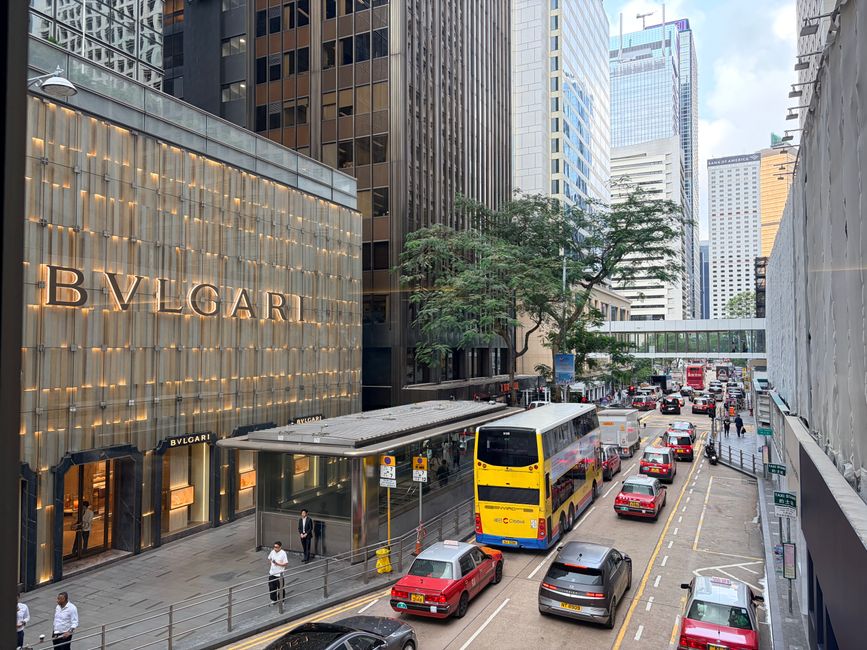
Hong Kong's retail and food service sectors are experiencing a decisive recalibration this year, with operators on Central's Des Voeux Road and across Causeway Bay reporting markedly different customer patterns than even six months ago.
The data tells a compelling story. Foot traffic in traditional shopping districts has stabilised around 85–90% of pre-pandemic levels, according to tracking from the Hong Kong Retail Management Association, but the composition of shoppers has changed dramatically. Young professionals aged 25–40 now account for 58% of weekday retail visits, a 12-point jump from 2024, while weekend tourism-driven footfall remains volatile and unpredictable.
For food and beverage operators, the implications are profound. Casual dining establishments in areas like Soho and Wong Chuk Hang are reporting their strongest performance in three years, with average check sizes up 15% year-on-year. However, this growth masks a painful reality: traditional dim sum parlours and mid-range Cantonese restaurants in older neighbourhoods such as Mong Kok and Sham Shui Po continue to struggle with margin compression and rising labour costs.
Commercial rents, which peaked in early 2025, have begun a gentle decline. Prime retail space on Causeway Bay's Fashion Street is now negotiating at approximately HK$1,200–1,400 per square foot annually—down from HK$1,600 last year. For independent operators, this window matters. "The market is finally rewarding businesses that adapted early," notes the Hong Kong Catering Industry Association, which recently surveyed 340 restaurants across five districts.
Three critical trends demand attention. First, delivery integration is no longer optional; 42% of Hong Kong diners now expect online ordering and contact-free payment, and restaurants without functional apps are losing market share to competitors who have them. Second, experiential dining—venues offering private dining, live cooking demonstrations, or chef's tables—commands premium pricing, with some establishments in Central reporting 28% higher average spend per table. Third, sustainability claims resonate strongly with the demographic driving growth: 64% of surveyed younger professionals say they actively prefer restaurants with transparent sourcing practices.
Staffing remains the sector's Achilles heel. Hospitality wages have risen 8–10% annually, while finding reliable service staff remains challenging. Operators who have invested in training programmes and retention bonuses report measurably better customer satisfaction scores than those treating labour as purely transactional.
The message for business owners is clear: adapt your operating model to this new consumer, invest in digital capability, and treat your team as an asset, not an expense. The window for repositioning is open—but narrowing.
This article was compiled by AI from the sources linked above and screened before publishing. See our editorial standards.