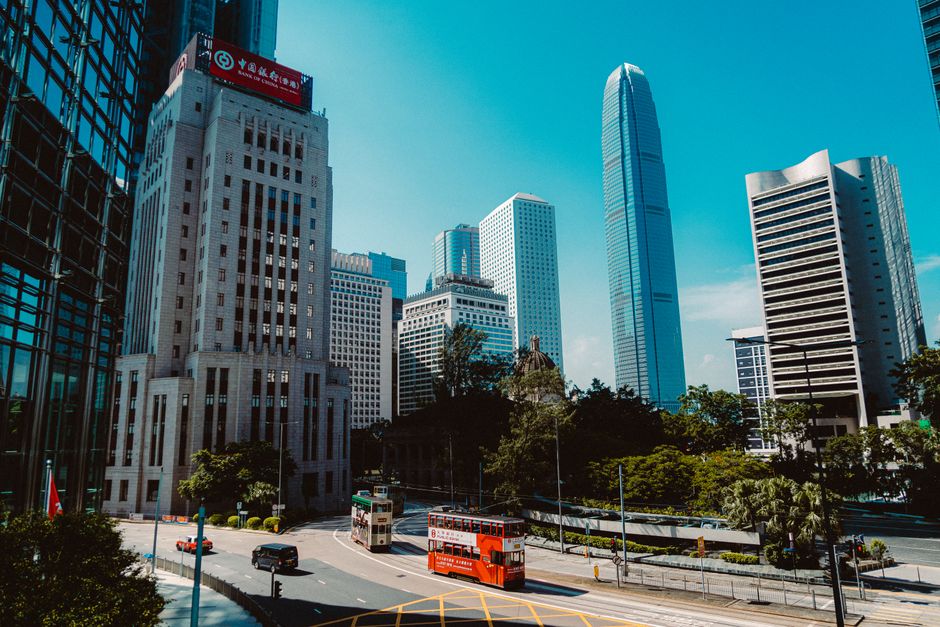
Walk into any trading house along Des Voeux Road Central, and the anxiety is palpable. Escalating U.S.-Iran tensions and fresh military flare-ups between Pakistan and Afghanistan are forcing Hong Kong's business community to recalculate risk in real time, threatening the smooth flow of goods that has long defined this port city's competitive edge.
The stakes are enormous. Hong Kong processes roughly 13.7 million twenty-foot container equivalents annually, with Middle East and South Asian routes accounting for approximately 18 percent of total throughput. Recent geopolitical volatility has already triggered insurance premium hikes of 12-15 percent for vessels transiting the Strait of Hormuz, according to industry insiders. For mid-sized logistics firms operating from Kwai Tsing Container Terminal, those cost pressures cut directly into already-thin margins.
"We're seeing clients reroute shipments to avoid high-risk zones, which adds 7-10 days and substantial fuel surcharges," explains operational reality faced by firms headquartered in Quarry Bay's business park corridors. Chemical importers, electronics manufacturers, and textile traders—cornerstones of Hong Kong's re-export economy—are all experiencing disruption.
The uncertainty extends beyond maritime routes. Proposed U.S. trade measures and the possibility of fresh tariff escalations are forcing procurement officers at trading companies throughout Central and Sheung Wan to diversify sourcing. Pakistan's military operations raise additional concerns: the country handles approximately 2 percent of Hong Kong's direct imports, but serves as a critical transit hub for Afghan supply chains that feed regional markets. Any prolonged instability threatens the finely calibrated networks that allow Hong Kong traders to arbitrage price differences across Asia.
Currency volatility compounds the problem. The Hong Kong dollar, pegged to the U.S. greenback, means traders face mounting headwinds when global risk appetite deteriorates. Recent weeks have seen the USD strengthen against regional currencies, making Hong Kong imports pricier for Southeast Asian buyers who account for roughly one-quarter of re-export destinations.
Yet Hong Kong's business community remains resilient. The city's position as a neutral financial hub, its deep connections to both Western and Asian markets, and its established legal frameworks continue to attract multinational corporations seeking stable bases for regional operations. But that advantage is not permanent. As geopolitical fault lines shift, Hong Kong's traders must adapt faster than competitors in Shanghai, Singapore, or Dubai—or risk losing the agility that has long defined their success.
The global context, in short, has never felt more local.
This article was compiled by AI from the sources linked above and screened before publishing. See our editorial standards.