Hong Kong's Tourism Recovery: What the Numbers Really Tell Us About Visitor Economy Investment
As arrivals rebound, tracking hotel occupancy, retail spend and development capital reveals how Hong Kong is repositioning itself in Asia's competitive travel market.
This article was generated by AI from the linked public sources. The Daily Hong Kong is independently owned and covers Hong Kong news free from advertiser or sponsor influence. Read our editorial standards →
Hong Kong's visitor economy is sending mixed signals to investors, and understanding the economic indicators behind the headlines matters enormously for anyone tracking Asia's hospitality sector. Through the first half of 2026, arrival numbers have climbed steadily—landing around 18 million visitors for the year-to-date period, according to Hong Kong Tourism Board data—yet the quality of spending tells a more nuanced story than headline footfall suggests.
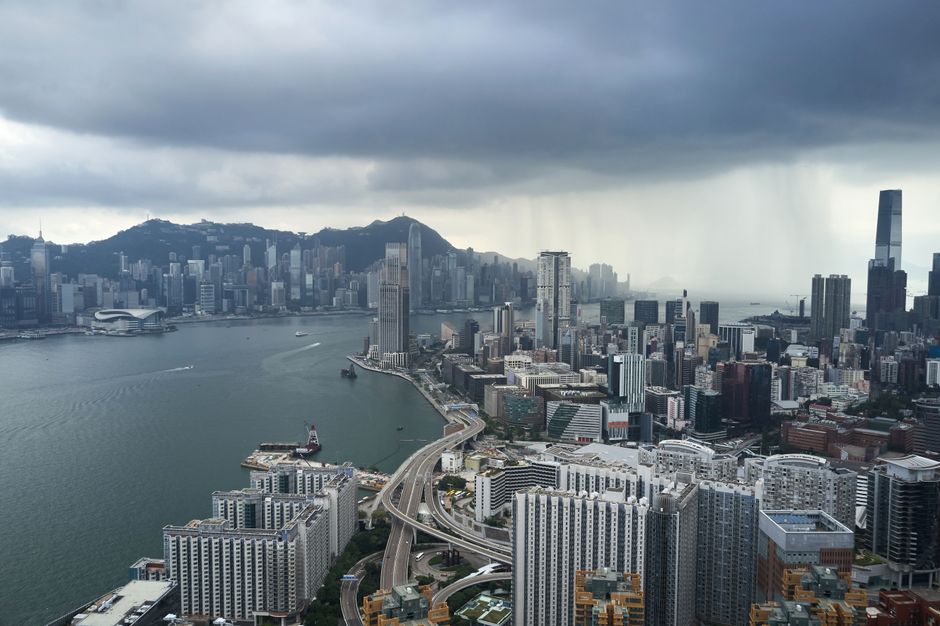
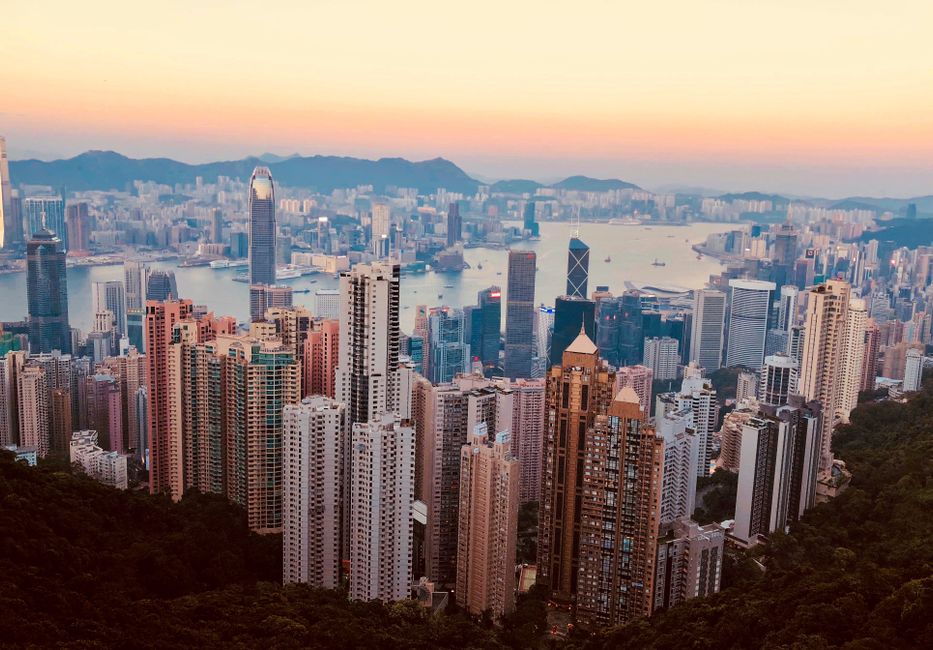
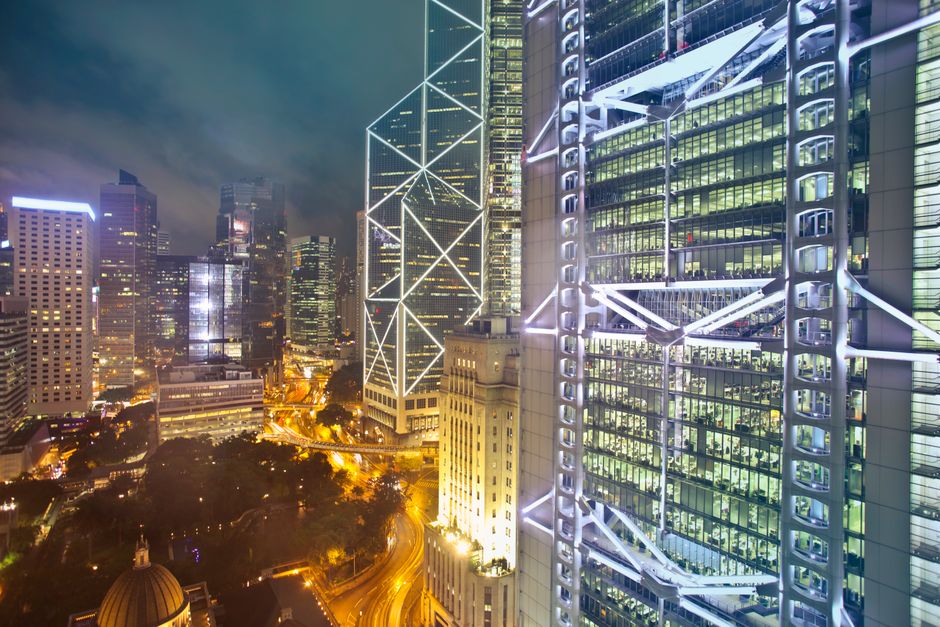
Hotel occupancy rates in Central and Wan Chai are hovering near 75 percent, a healthier figure than pandemic lows but still below the pre-2020 benchmark of 85-90 percent. Average daily room rates have stabilised around HK$1,200-1,400 across four-star properties, suggesting stable pricing power rather than destructive discounting. More tellingly, luxury properties along Victoria Harbour—including the Mandarin Oriental and Peninsula—are reporting stronger premium segment recovery than mid-range competitors, a pattern that influences capital allocation decisions across the sector.
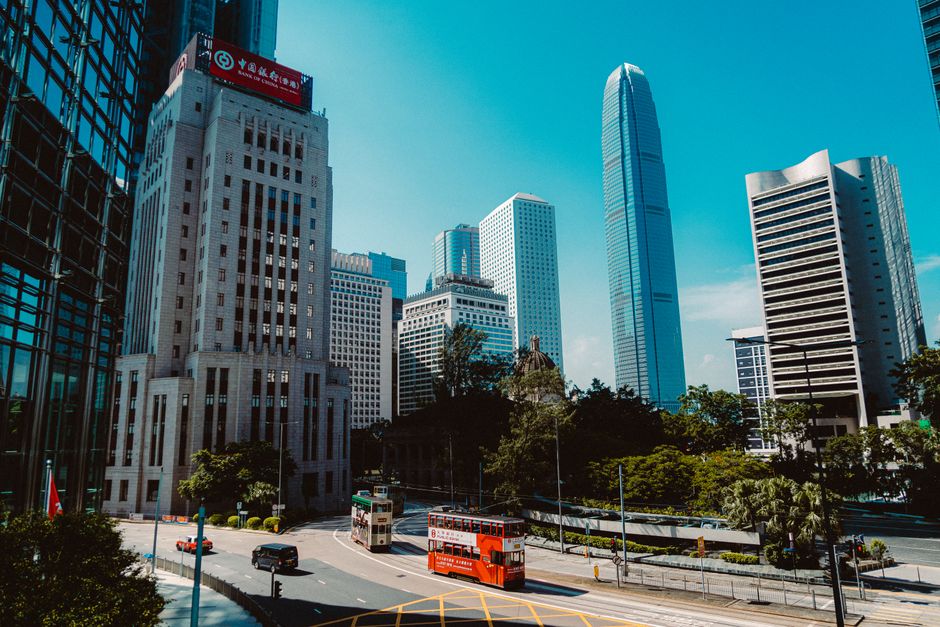
Retail spending data proves equally instructive. Luxury goods sales in Central's high-end corridors and along Causeway Bay's fashion strips have grown 12 percent year-on-year, driven by Mainland Chinese visitors seeking branded goods and experiencing Hong Kong's distinctive retail environment. Meanwhile, foot traffic in Mong Kok and Jordan—traditionally mass-market retail zones—remains 8-10 percent below 2019 levels, reflecting changing visitor demographics and spending patterns.
These metrics directly influence capital flows. Major hotel operators like Swire Hotels and Sino-Land are modulating expansion plans, focusing renovation budgets on premium properties while shelving mid-range developments. The Hong Kong Tourism Board reports that international visitor arrivals from Southeast Asia have grown 22 percent year-over-year, diversifying the source market beyond traditional Mainland dependency—a shift that encourages longer-term infrastructure investment.
Convention and exhibition activity at the Hong Kong Convention and Exhibition Centre in Wan Chai generates roughly HK$40 billion in annual economic impact through meetings, incentive travel, conferences and exhibitions. This sector recovered to 95 percent of 2019 capacity by mid-2025 and continues expanding, attracting corporate event budgets that stabilise hotel occupancy and support ancillary services.
For investors, the takeaway is clear: Hong Kong's visitor economy isn't simply rebounding—it's recalibrating. Capital is flowing toward premium experiences, cultural tourism and business travel, while mass-market segments face headwinds. Hotel REITs and hospitality operators who can pivot toward higher-margin segments are positioned favourably, while those dependent on volume-driven, low-price strategies face structural pressure. These shifting patterns will shape investment decisions across Hong Kong's tourism infrastructure for years ahead.
This article was compiled by AI from the sources linked above and screened before publishing. See our editorial standards.
Covering business in Hong Kong. This article was generated by AI from the linked sources and was not reviewed by a human editor before publishing. See our editorial standards.