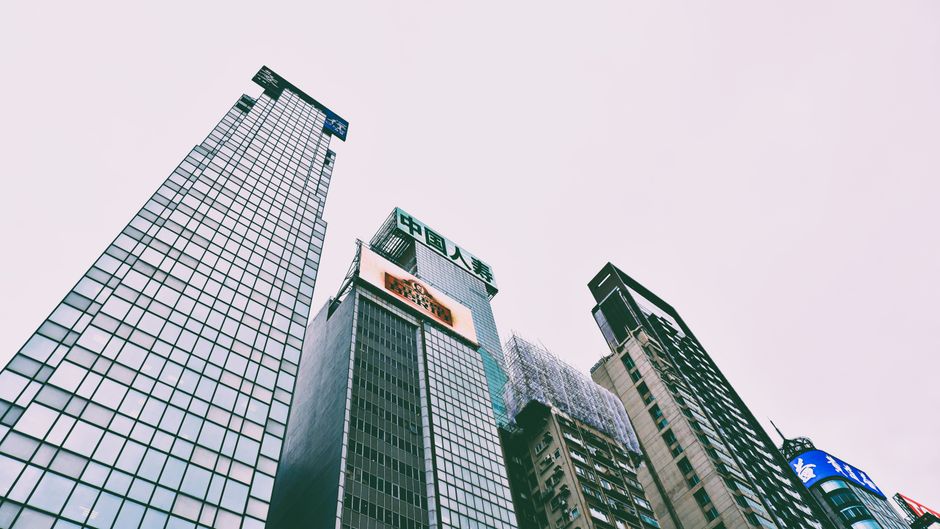
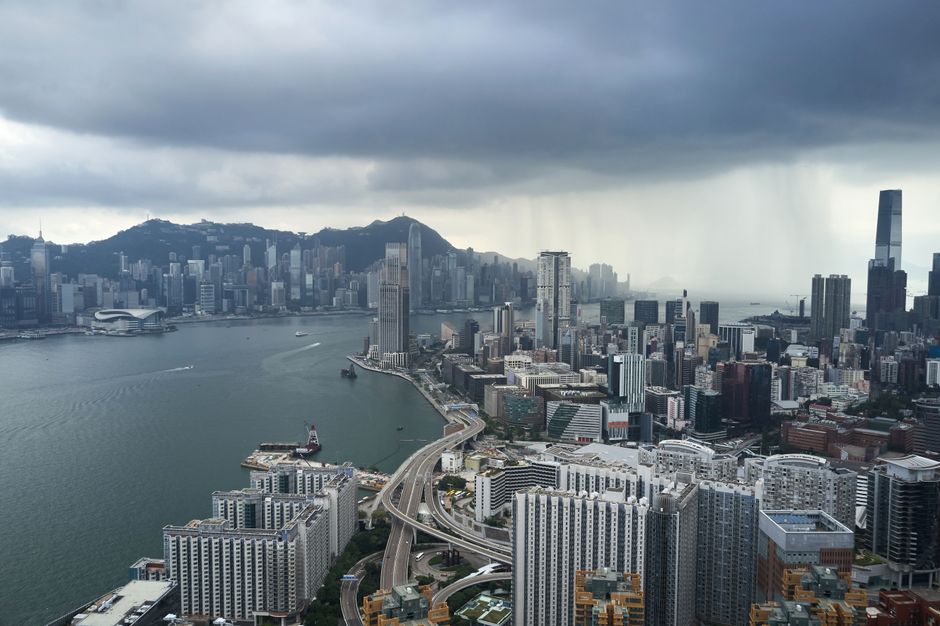
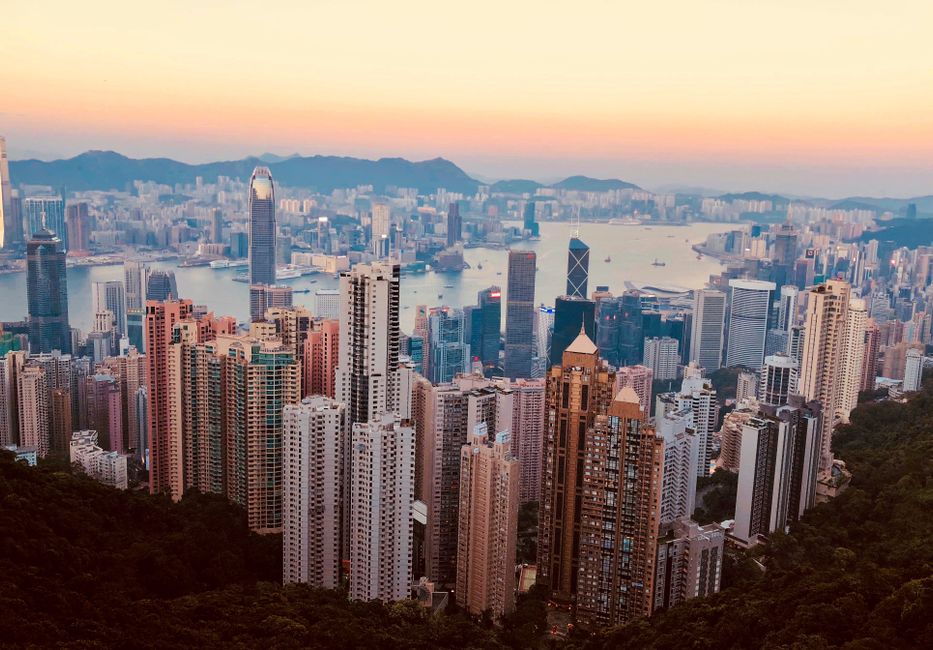
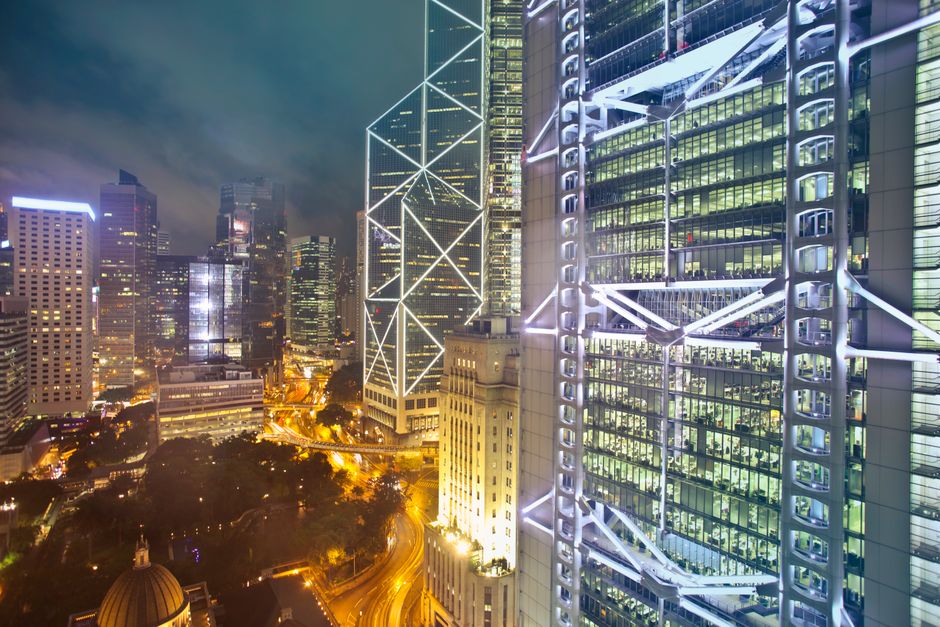
Hong Kong's business community is confronting an uncomfortable reality: the world's instability has landed squarely on Central's doorstep. As geopolitical flashpoints multiply—from renewed U.S.-Iran tensions to armed conflicts in South Asia and disease outbreaks in Africa—the ripple effects are reshaping investment decisions and balance sheets across the city's financial district and beyond.
The cost of capital is rising faster than many anticipated. Banks operating from offices along Des Voeux Road and Queen's Road Central have quietly tightened lending standards, with syndicated loan margins for mid-market Hong Kong companies increasing by 35 to 50 basis points over the past quarter. This matters acutely for businesses in Quarry Bay's industrial sector and manufacturing clusters across the New Territories, where refinancing older debt suddenly costs millions more annually.
Shipping and logistics firms—cornerstones of Hong Kong's economy—face particular pressure. Uncertainty over Middle Eastern waterways and the Strait of Hormuz has driven up insurance premiums for vessels transiting the region, expenses that inevitably trickle down to importers and exporters operating from Kwai Tsing Container Terminal. Freight forwarding companies report that clients are building larger inventory buffers and paying premiums for alternative routing, squeezing already-thin margins.
The human capital exodus compounds these challenges. Family offices, traditionally anchored in Hong Kong's premier business addresses around Exchange Square and the Landmark, are quietly relocating treasury operations to Singapore and Bangkok. At least three prominent Causeway Bay-based investment groups have announced regional restructuring in recent weeks, citing both operational efficiency and reduced geopolitical exposure as justifications.
Retail has not escaped scrutiny. Commercial landlords on Des Voeux Road and Pedder Street are experiencing weaker demand from international retailers recalibrating their Asia-Pacific exposure. Property consultants report that premium retail rents in Central have softened 5-8 percent since early 2026, a notable shift in a market typically bolstered by cross-border wealth.
Yet Hong Kong's traditional strengths persist. Compliance teams and risk managers from multinational corporations continue funneling work through the city's legal and professional services hubs, recognizing that Hong Kong's regulatory infrastructure—though scrutinized—remains sophisticated. AUM managed by Hong Kong-based asset managers still exceeds $2.8 trillion, a substantial cushion that anchors confidence.
The verdict: Hong Kong's business environment remains resilient but recalibrating. Companies must balance vigilance with pragmatism, hedging global risks while maintaining the agility that defines Asia's premier financial centre. The next 12 months will determine whether that balance holds.
This article was compiled by AI from the sources linked above and screened before publishing. See our editorial standards.