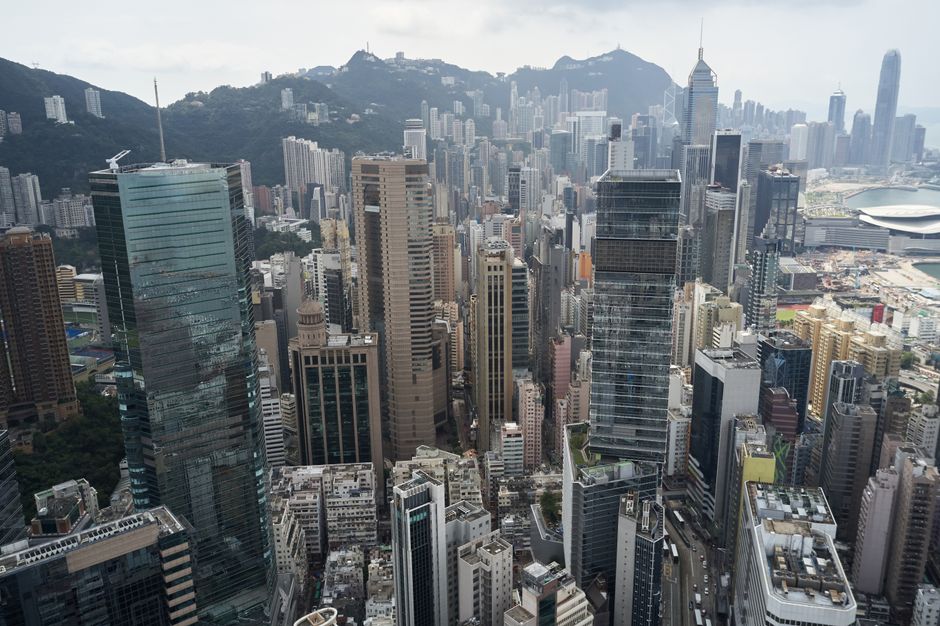
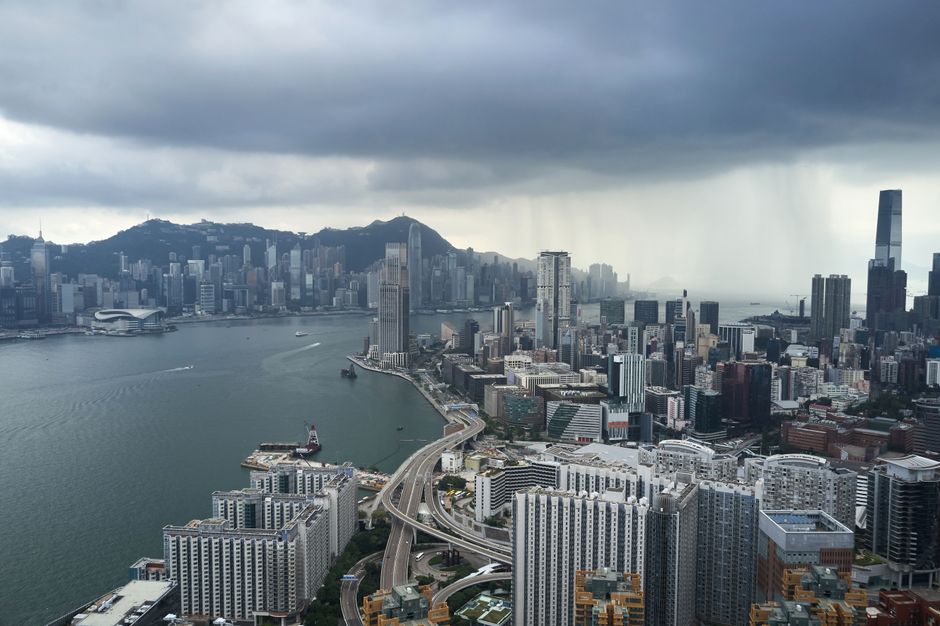
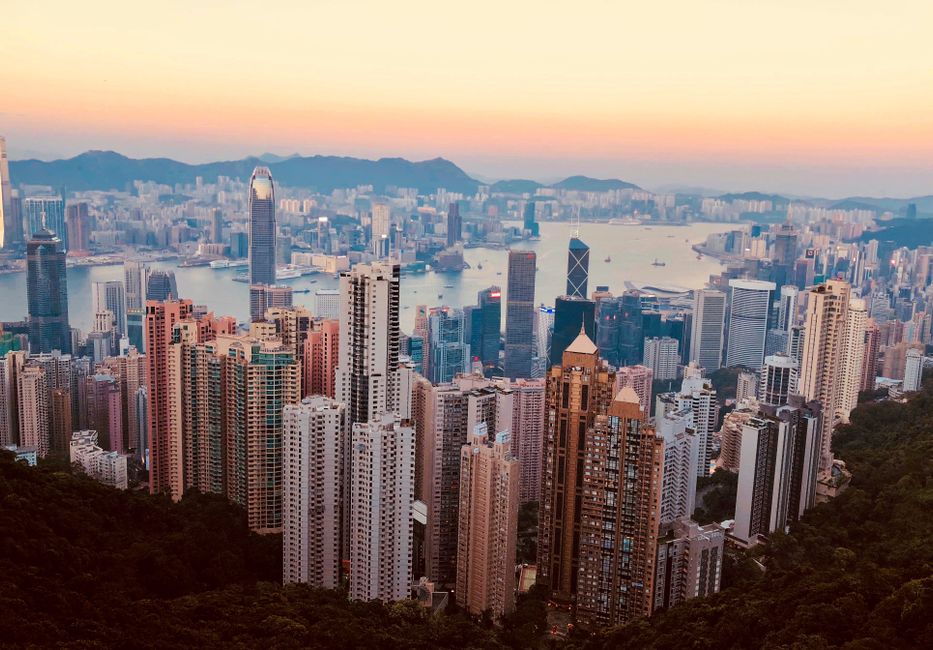
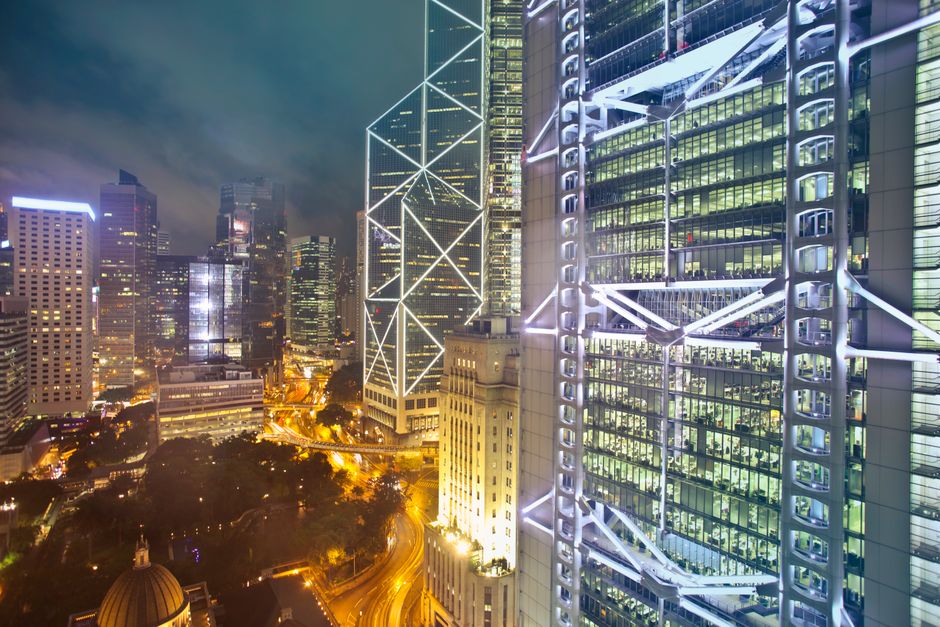
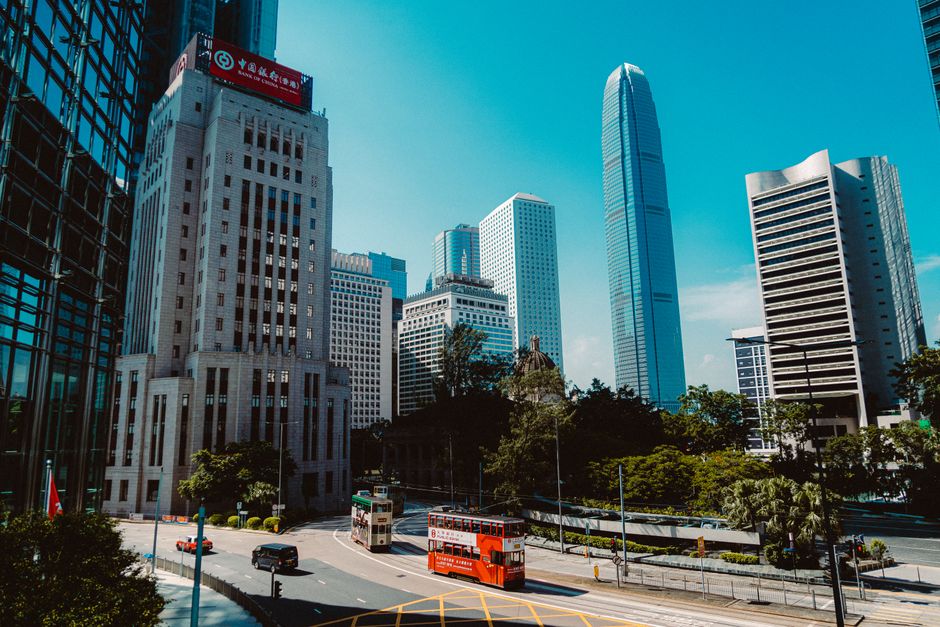
Walking through the trading floors of Central's financial district this week, conversations among currency dealers and shipping brokers reveal a common anxiety: the world has become a minefield for Hong Kong's export-driven economy.
The uptick in geopolitical tensions—from Iran's brinkmanship over the Strait of Hormuz to Pakistan-Afghanistan border clashes and Venezuela's humanitarian crisis—are creating cascading effects on local businesses that many executives say feel unprecedented since 2020.
For Hong Kong's logistics sector, the implications are stark. Hutchison Port Holdings, which operates container terminals across the harbour, has seen clients reroute shipments away from traditional Middle Eastern routes. Insurance premiums for vessels transiting sensitive waters have risen 15-20% in recent weeks, according to shipping brokers operating from the Sheung Wan waterfront. "Clients are demanding contingency plans we didn't need six months ago," one senior logistics manager noted.
The ripple effects extend into retail and manufacturing. Fashion importers headquartered in Causeway Bay who source materials from Pakistan-adjacent suppliers report delays and elevated uncertainty costs. One mid-sized textile trader estimated additional compliance and rerouting expenses have added 3-5% to operational overheads. For businesses operating on margins of 8-12%, that margin compression is real.
Currency volatility has hit harder still. The Hong Kong dollar's peg to the US dollar means traders cannot exploit traditional hedging opportunities against USD weakness. Exporters of electronics components and jewellery—cornerstone sectors for the territory's economy—are factoring in unpredictable foreign exchange movements when quoting prices to overseas clients. The Kowloon area's jewellery wholesale market has seen modest price adjustments upward to offset this uncertainty.
Yet there are pockets of opportunity. Professional services firms in the Central and Mid-Levels corridors report brisk demand for trade compliance consulting and supply chain restructuring advisory. Corporate clients are actively exploring nearshoring strategies and supply diversification away from politically volatile regions.
The Hong Kong General Chamber of Commerce declined to comment on current geopolitical impacts but historically emphasises the city's role as a neutral, rules-based trading hub. That positioning—tested repeatedly over the past decade—remains the sector's greatest asset as global disorder deepens.
For now, Hong Kong's business community is adapting. But the window for passive adjustment may be narrowing. Those who act decisively on supply chain resilience may find themselves ahead of competitors when—or if—normalcy returns.
This article was compiled by AI from the sources linked above and screened before publishing. See our editorial standards.