Hong Kong's financial services industry, long the engine of the territory's economy, is confronting a mounting squeeze on profitability and competitiveness as 2026 progresses. The combination of escalating operational costs, persistent talent drain, and intensifying regional rivalry is forcing banks, asset managers, and advisory firms across Central and beyond to recalibrate their business models.
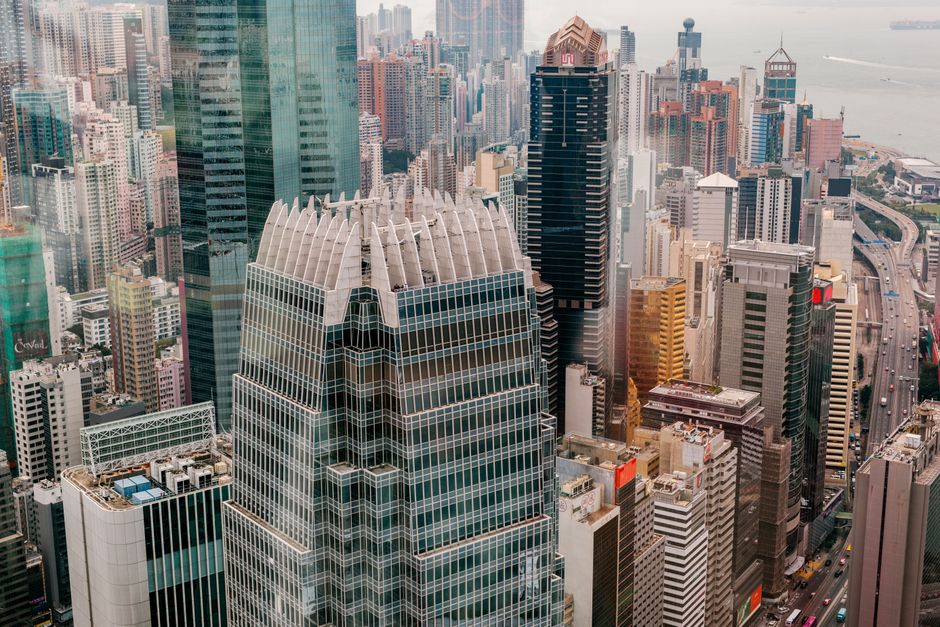
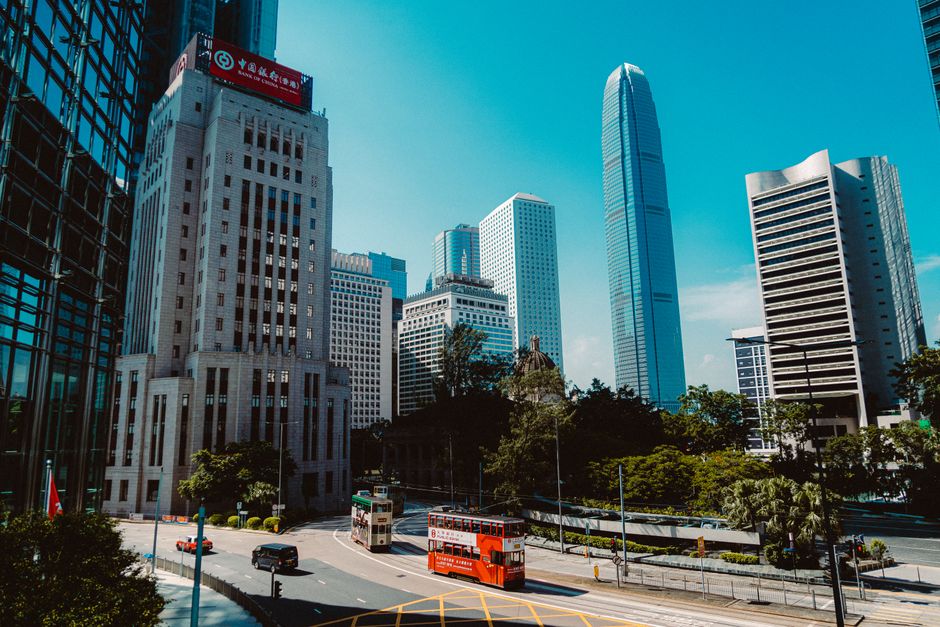
Office rental pressures remain acute. Premium workspace in Central's prime banking corridors—along Des Voeux Road and Queen's Road—continues commanding premium rates well above pre-pandemic levels, with some Grade A space hovering near HK$100 per square foot monthly. For mid-sized wealth management firms clustered around the Landmark and IFC, the financial burden of maintaining prestigious addresses while managing compressed client portfolios has become increasingly untenable.
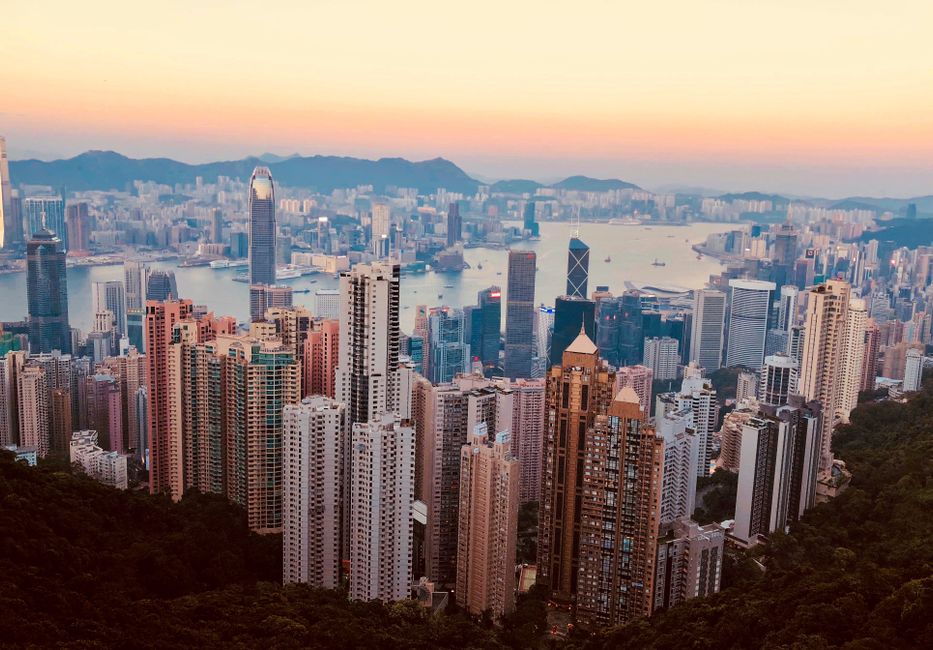
The talent exodus compounds these strains. Singapore's aggressive recruitment campaigns and Dubai's tax incentives have lured away experienced fund managers and relationship managers, eroding Hong Kong's human capital advantage. Salaries for senior investment professionals have plateaued even as living costs—particularly residential property in Admiralty, Mid-Levels, and Peak-adjacent areas—continue their upward march. A comfortable two-bedroom flat in these neighbourhoods now routinely commands HK$60,000–80,000 monthly, reshaping recruitment calculus for firms already managing tighter margins.
Regulatory complexity adds another layer of friction. Enhanced compliance requirements tied to international sanctions regimes and evolving ESG frameworks have inflated compliance budgets without corresponding revenue benefits, particularly for smaller asset managers lacking economies of scale.
The wealth management sector specifically faces headwinds from subdued client confidence. Ultra-high-net-worth individuals—traditionally concentrated in Hong Kong's business elite—are diversifying geographically, relocating family offices to Singapore or establishing dual presences. Cross-border capital flows remain volatile, reflecting broader macroeconomic uncertainty across Asia and beyond.
Public markets volatility has also dampened IPO activity and M&A advisory revenues. The Hong Kong stock exchange, once a magnet for Asian listings, has seen slower momentum this year, directly impacting the transactional fees that finance houses depend upon.
For institutions headquartered along Exchange Square and in Sheung Wan's burgeoning fintech corridor, adaptation is not optional. Some are trimming headcount, consolidating office footprints, and pivoting toward higher-margin boutique services. Others are doubling down on digital platforms to reduce operational friction and serve clients more efficiently without the overhead of prime real estate in Central.
The broader picture suggests Hong Kong's financial sector, while fundamentally sound, is entering a period of structural adjustment. The days of automatic growth fuelled by mainland capital flows and regional arbitrage opportunities appear to have plateaued, demanding genuine innovation rather than incremental expansion.
This article was compiled by AI from the sources linked above and screened before publishing. See our editorial standards.