Business
Hong Kong's Investment Sector Faces Perfect Storm of Headwinds in 2026
Rising costs, regulatory uncertainty, and capital flight are testing the resilience of the city's once-booming finance hub.
3 min read
Updated 10 h ago
Business
Rising costs, regulatory uncertainty, and capital flight are testing the resilience of the city's once-booming finance hub.
3 min read
Updated 10 h ago
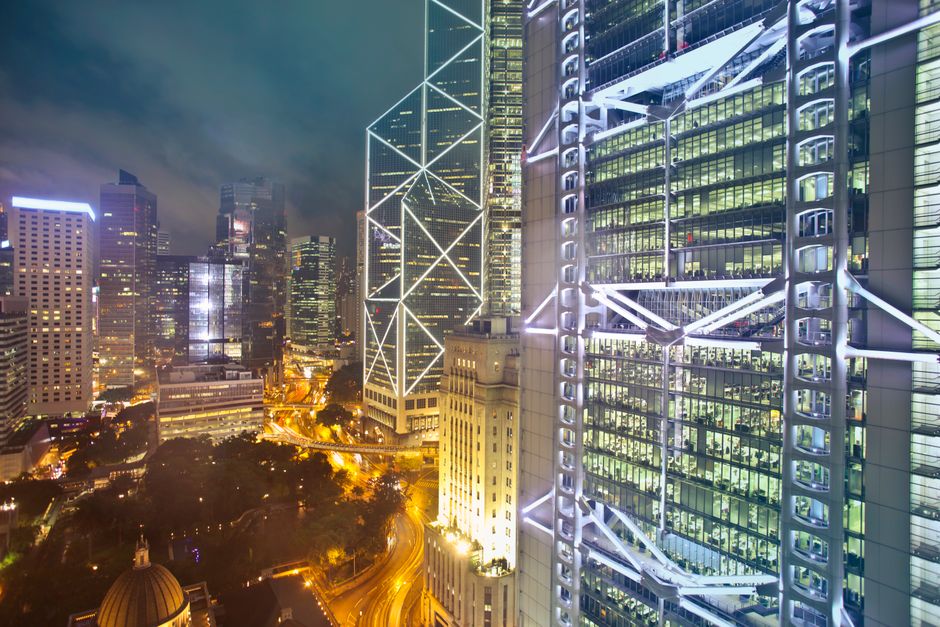
Hong Kong's investment management sector is navigating treacherous waters this year as multiple structural headwinds converge, threatening the city's status as a premier global financial centre. The combination of soaring operational costs, geopolitical tensions, and shifting capital flows has created what industry observers describe as the most challenging environment in over a decade.
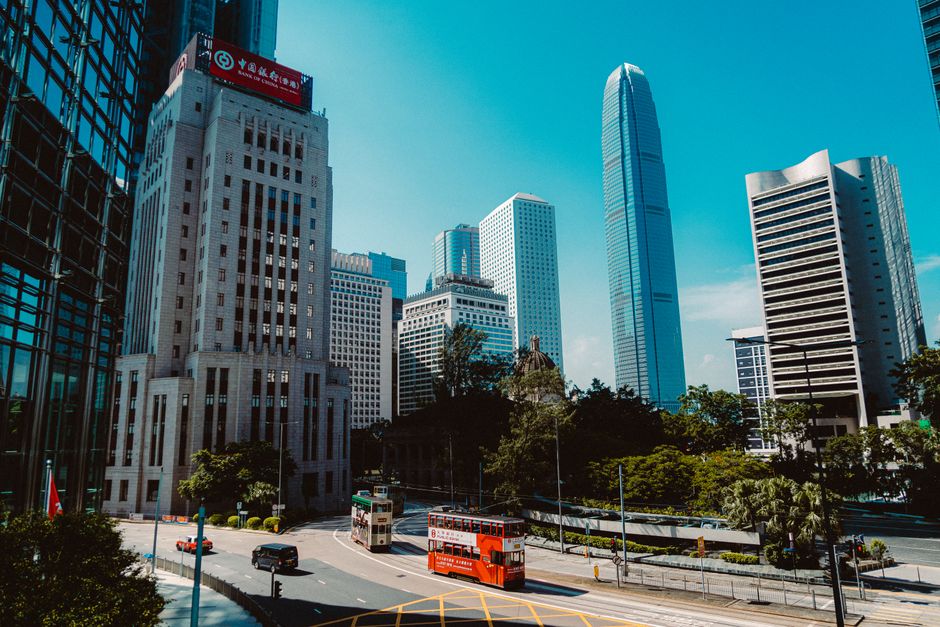
The squeeze on profit margins is immediate and visible across Central and Wan Chai's gleaming office towers. Commercial real estate on Des Voeux Road and in the IFC complex commands rents exceeding HK$150 per square foot annually—levels that dwarf comparable spaces in Singapore and Tokyo. Meanwhile, staff retention costs have climbed sharply, with experienced fund managers and analysts demanding salaries 15-20 per cent higher than 2024 levels amid poaching efforts from competing hubs. Residential costs amplify the pressure: a one-bedroom flat in Mid-Levels now averages HK$35,000 monthly, forcing firms to increase compensation packages to retain talent.
Regulatory headwinds add another layer of complexity. The Securities and Futures Commission's recent tightening of virtual asset trading rules has forced several boutique investment firms to restructure operations or exit entirely. Compliance costs have risen proportionally, diverting capital from revenue-generating activities. Meanwhile, mounting scrutiny over cross-border fund movements and geopolitical considerations have made some international investors hesitant about routing capital through Hong Kong—a shift that would have seemed unthinkable five years ago.
Capital outflows tell a concerning story. Data suggests that wealth management institutions have redirected significant client allocations toward Singapore and Dubai, seeking perceived regulatory stability and lower operational friction. Institutional investors, particularly those from North America and Europe, have become more cautious about Hong Kong deployment, citing political and macro uncertainties that impact both confidence and valuations.
The retail investment sector, once a bright spot, is also struggling. Foot traffic at investment seminars across Causeway Bay and Mong Kok has declined noticeably, while retail participation in Hong Kong stocks and regional funds has cooled considerably. Younger investors increasingly view cryptocurrency and offshore digital platforms as alternatives, fragmenting the traditional client base.
Yet industry leaders emphasise this period isn't apocalyptic. Hong Kong's deep capital pools, robust legal framework, and connectivity to mainland China remain structural advantages. Those firms investing in fintech innovation, adapting to sustainability-focused investing, and diversifying service offerings beyond pure asset management are positioning themselves to weather the storm. The question is whether the regulatory environment and cost structure will allow enough firms to survive long enough to benefit from the eventual recovery.
This article was compiled by AI from the sources linked above and screened before publishing. See our editorial standards.
Business
Business
Business
Business
About this article
Published by The Daily Hong Kong
Spread the word
Daily brief
Free, in your inbox before 7am. Weekdays.
Before you go
The day's Hong Kong news in a 2-minute read. Free, weekday mornings.