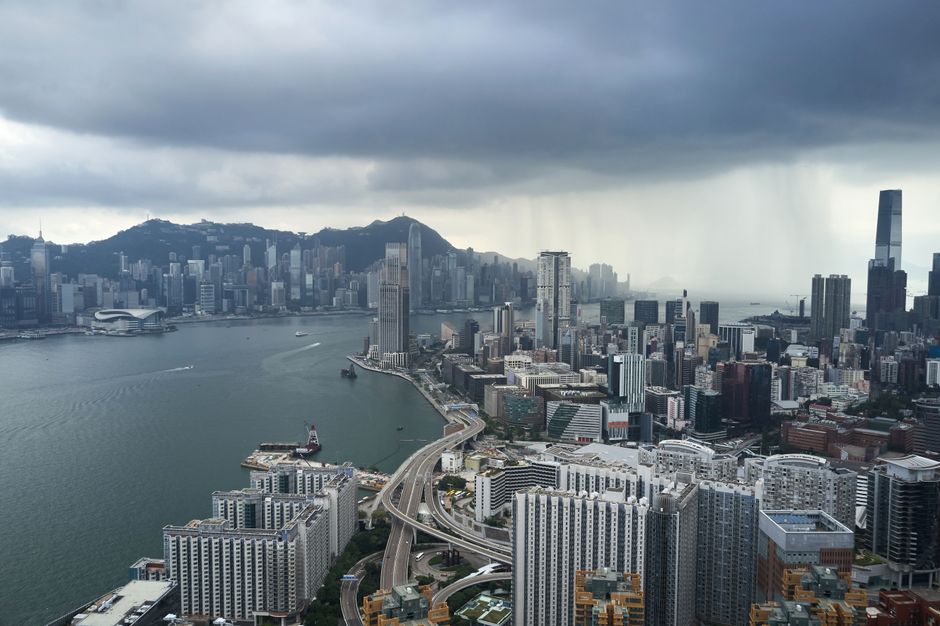
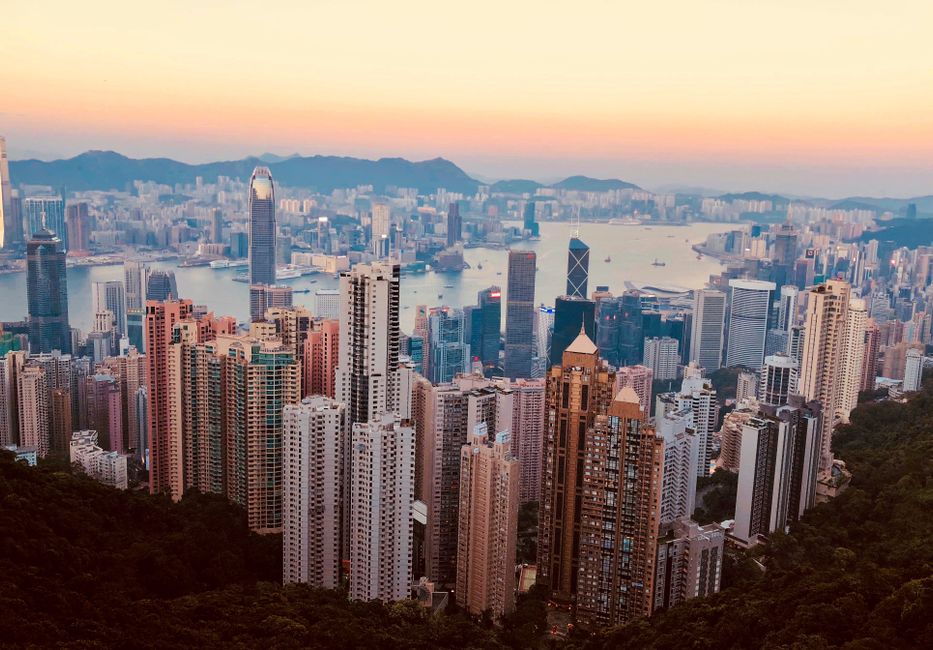
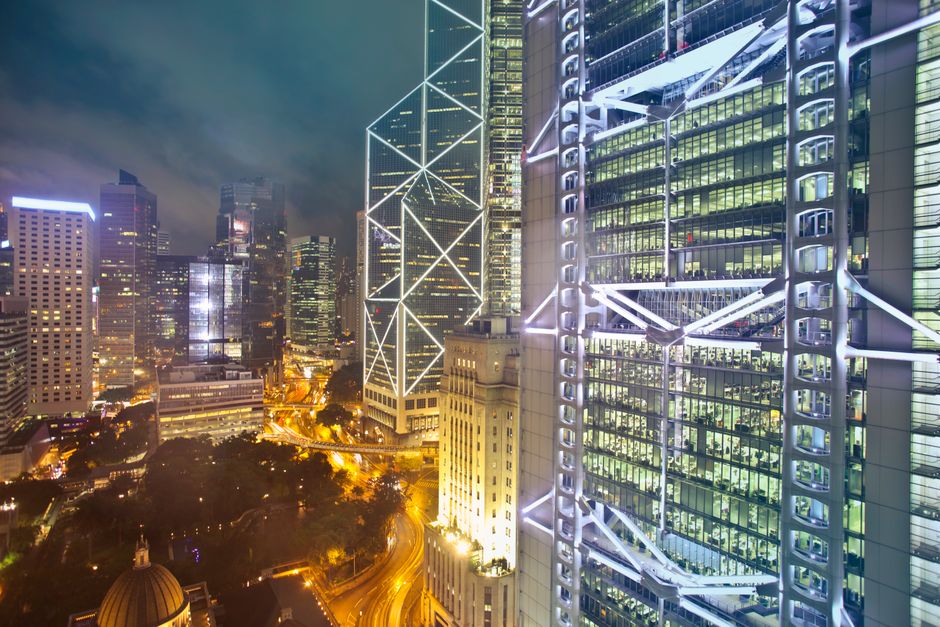
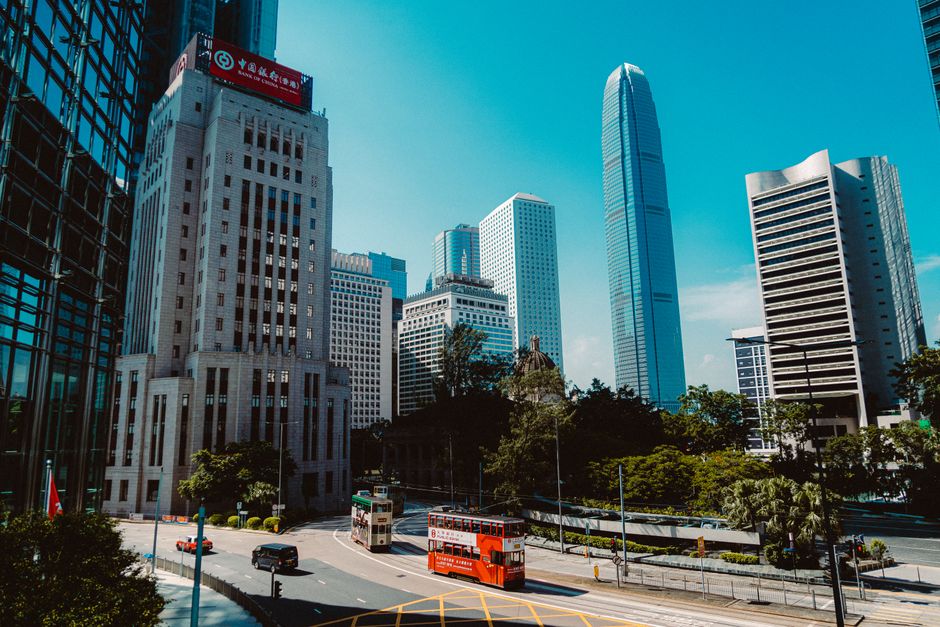
Hong Kong's office market is confronting a sobering reality as 2026 unfolds: the post-pandemic recovery that many landlords anticipated has stalled, leaving swathes of premium space in Central and Admiralty struggling to attract tenants at previously commanding rents.
Vacancy rates in the Central Business District have climbed to levels not seen since 2010, with some property agents reporting that Grade A office towers now sit 12-15% empty. Rents on Des Voeux Road and Queen's Road Central have softened by as much as 8-10% year-on-year, a stark reversal from the mid-2020s optimism that gripped the sector.
"The structural shifts are undeniable," explains the commercial property landscape, where international financial services firms—traditionally the lifeblood of premium office demand—have accelerated hybrid working policies. Several major banks and investment houses have consolidated their Hong Kong footprints, returning leases in favour of smaller, more agile workspaces elsewhere in Kowloon or even reducing headcount.
The challenges cascade beyond the core business districts. Secondary markets in Quarry Bay and Tai Koo have seen occupancy pressure from e-commerce and tech companies that once absorbed significant subletting capacity. Meanwhile, landlords of aging buildings struggle with retrofitting costs to meet modern environmental standards—ESG compliance has become a tenant prerequisite rather than a luxury.
Cross-border competition from Shanghai and Shenzhen compounds the pressure. Multinational corporations increasingly split regional operations, establishing hubs in mainland cities where operating costs run 30-40% below Hong Kong levels. This shift, accelerated by improved high-speed rail connectivity and clearer regulatory frameworks on the mainland, is redirecting both occupier demand and investor capital away from the harbour city.
The residential property market has also cannabilised commercial investment appetite. Developers and REITs facing softer residential sales have shifted focus to conversion projects, particularly in peripheral locations like Mong Kok and Sham Shui Po, where residential-to-commercial conversions promise better yields than traditional office holdings.
Interest rate headwinds have tightened financing conditions for both occupiers and investors. Cap rates on prime office assets have risen to 3.5-4%, making acquisition costs higher while rental yields remain compressed. Vendors are increasingly reluctant to accept current valuations, creating a gridlocked secondary market.
Recovery, if it materialises, will likely be uneven. Newer Grade A buildings with genuine sustainability credentials and flexible lease terms may attract tenants seeking boutique arrangements. But older stock in less-favoured locations faces a prolonged period of adjustment as Hong Kong recalibrates its role in the regional economic hierarchy.
This article was compiled by AI from the sources linked above and screened before publishing. See our editorial standards.