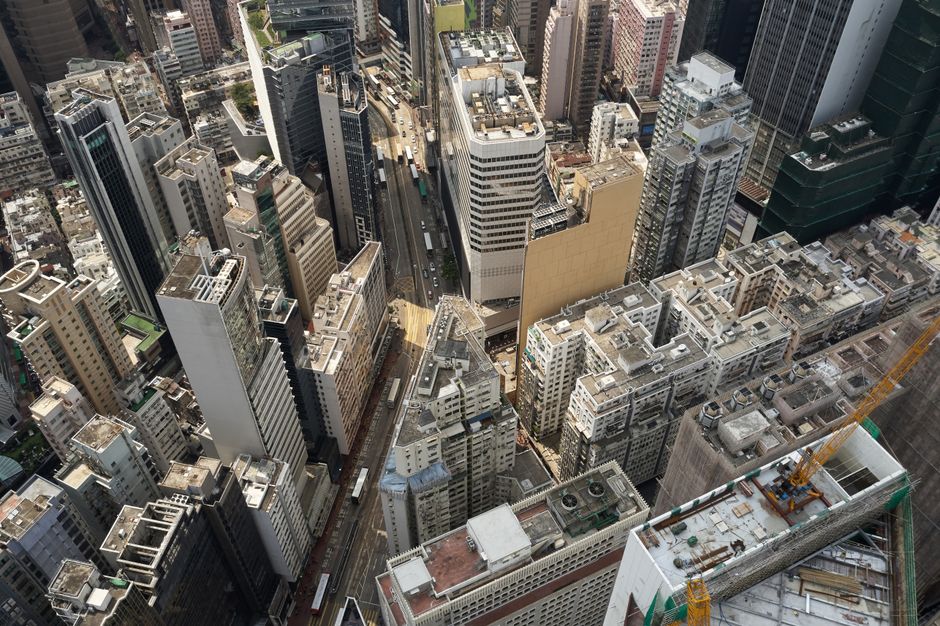
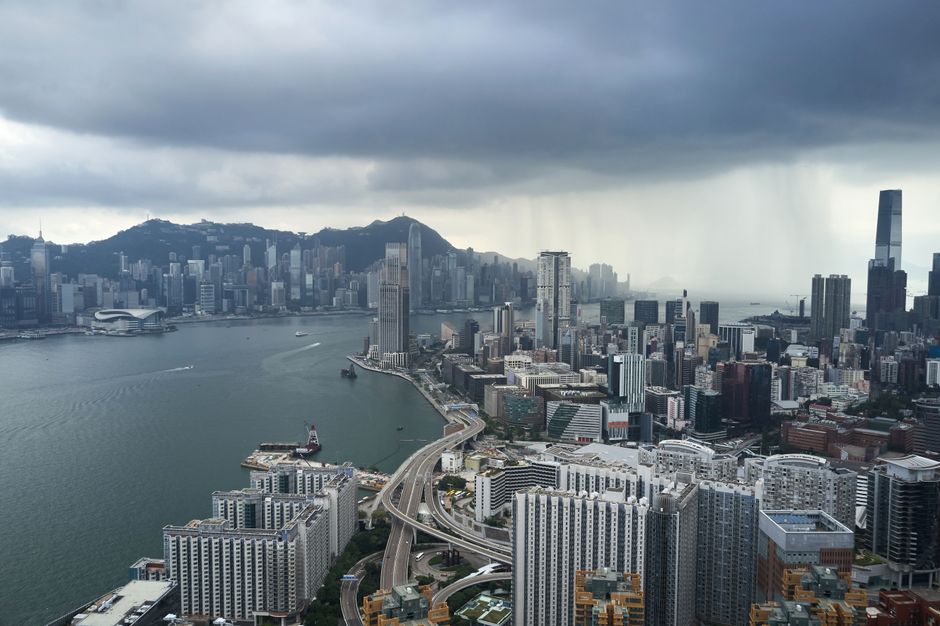
Hong Kong's startup ecosystem is experiencing a pivotal moment. The government's continued push to transform Kowloon East—particularly around Kwun Tong and Kai Tak—into a dedicated innovation district has begun yielding tangible opportunities for those positioned to capitalise early.
The scale of ambition is substantial. The Kai Tak Development Project alone represents over HK$100 billion in planned investment, with tech and innovation designated as a primary anchor sector. Meanwhile, office space in the surrounding Kwun Tong area has seen 18 percent price appreciation over the past 18 months, according to recent commercial property data, as landlords anticipate sustained tenant demand.
Service providers are among the first beneficiaries. Co-working operators and innovation incubators—particularly those with established presences in Central and Sheung Wan—have begun expanding eastward. Companies offering accounting, legal compliance, and HR solutions tailored to early-stage founders report growing inquiry pipelines from tenants seeking to reduce overhead costs relative to prime island locations.
Property owners controlling Grade A office stock along Kai Tak Avenue and near the MTR interchange are experiencing robust leasing activity. Asking rents have stabilised at HK$35–45 per square foot monthly for mid-grade commercial space, a 20 percent discount to Central but increasingly attractive as tenant quality improves.
Established startups with deep-pocketed backing are also repositioning. Several Series B and C-stage fintech and logistics companies have recently announced office expansions in the district, attracted by proximity to airport logistics infrastructure and lower occupancy costs that improve unit economics. This creates a virtuous cycle: anchor tenants draw ecosystem partners, which in turn attract supplier networks and talent.
The government's role remains central. Tax incentives under the Innovation and Technology Fund, coupled with Hong Kong's recent upgrades to intellectual property protections and data governance frameworks, have signalled sustained policy commitment. The establishment of satellite innovation hubs near Kai Tak MTR station, managed by entities like Cyberport and the Hong Kong Science and Technology Parks Corporation, provides institutional credibility that attracts both domestic and international venture capital.
However, opportunity remains asymmetrically distributed. Well-capitalised firms with existing Hong Kong operations can leverage experience navigating regulatory environments and talent acquisition. Early-stage founders without local networks face steeper barriers, despite improved infrastructure. Newcomers report navigating visa sponsorship, banking relationships, and mainland China regulatory complexity as ongoing friction points.
The window for positioning is narrowing as property valuations climb and premium locations saturate. Those seeking exposure to Hong Kong's innovation upside—whether as operators, service providers, or landlords—are increasingly viewing the next 12–24 months as critical for securing advantageous terms before the district matures into a premium asset class.
This article was compiled by AI from the sources linked above and screened before publishing. See our editorial standards.