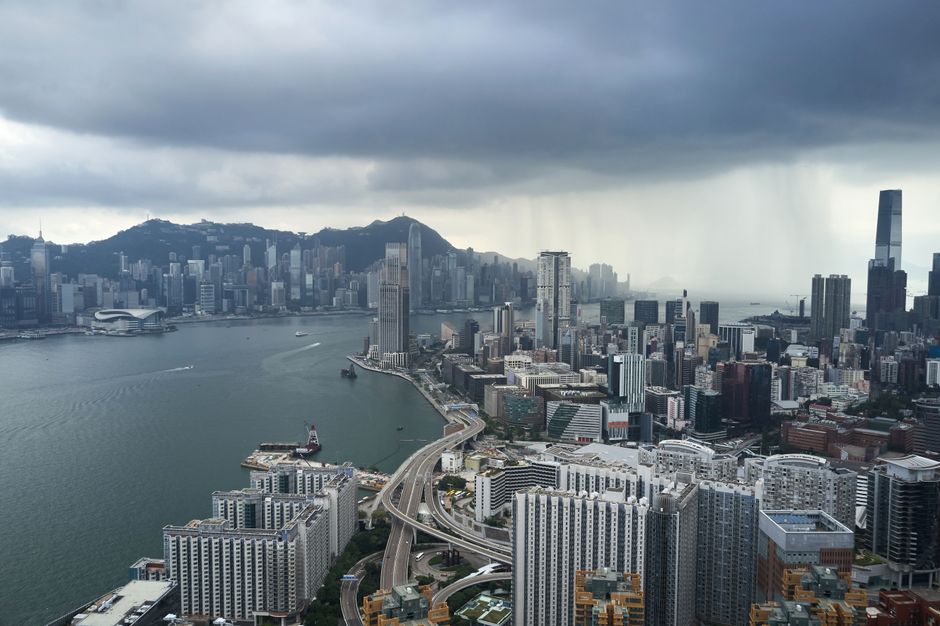
Hong Kong's financial services industry is confronting a confluence of challenges that threaten to erode its competitive edge. From Central's gleaming office towers to the banking hubs along Des Voeux Road, firms are grappling with mounting operational costs, persistent talent exodus, and intensifying regional rivalry that shows no signs of abating.
The numbers tell a sobering story. Commercial office rents in Central have stabilized around HK$150-180 per square foot monthly—down from pandemic peaks but still historically elevated. For a mid-sized investment bank occupying 50,000 square feet, that translates to annual rental commitments exceeding HK$90-108 million. When coupled with compliance costs that have mushroomed following enhanced regulatory scrutiny, many mid-tier firms are operating with significantly tighter margins than five years ago.
The human capital challenge cuts deeper. Senior investment bankers and wealth managers continue migrating to Singapore, where lower tax rates and strong growth momentum in Southeast Asian markets present compelling alternatives. Recruitment firms report that experienced professionals leaving Hong Kong haven't returned in comparable numbers, creating a skill shortage that's driving compensation packages upward precisely when profitability is under pressure. Salaries for managing directors in investment banking have climbed 12-15 percent year-on-year, yet retention remains elusive.
Meanwhile, deal activity has disappointed. Hong Kong's M&A market recorded only US$21.6 billion in transactions during the first half of 2026—a 28 percent decline compared to the same period last year. Initial public offerings in the city have dried up, with companies increasingly choosing Shanghai, Shenzhen, or even Hong Kong's regional competitors for primary listings. For investment banking divisions reliant on transaction fees, this represents a tangible earnings headwind.
Cost-of-living pressures are equally acute. Residential rents in popular expatriate enclaves like Mid-Levels and Repulse Bay have surged, with three-bedroom apartments now commanding HK$80,000-120,000 monthly. School fees at international institutions exceed HK$200,000 annually. These mounting living expenses make expatriate packages more expensive for employers while squeezing junior staff who lack the compensation buffers of senior executives.
The structural challenges extend to technology infrastructure. Compliance automation and regulatory technology investments, essential for competing globally, demand substantial capital outlays. Smaller firms particularly struggle to fund these transformations while maintaining current operations.
Against this backdrop, Hong Kong's finance sector faces a critical test. Without meaningful regulatory relief, improved deal flow, or breakthrough developments in cross-border transactions, the industry's traditional allure as Asia's financial hub faces unprecedented pressure during 2026.
This article was compiled by AI from the sources linked above and screened before publishing. See our editorial standards.