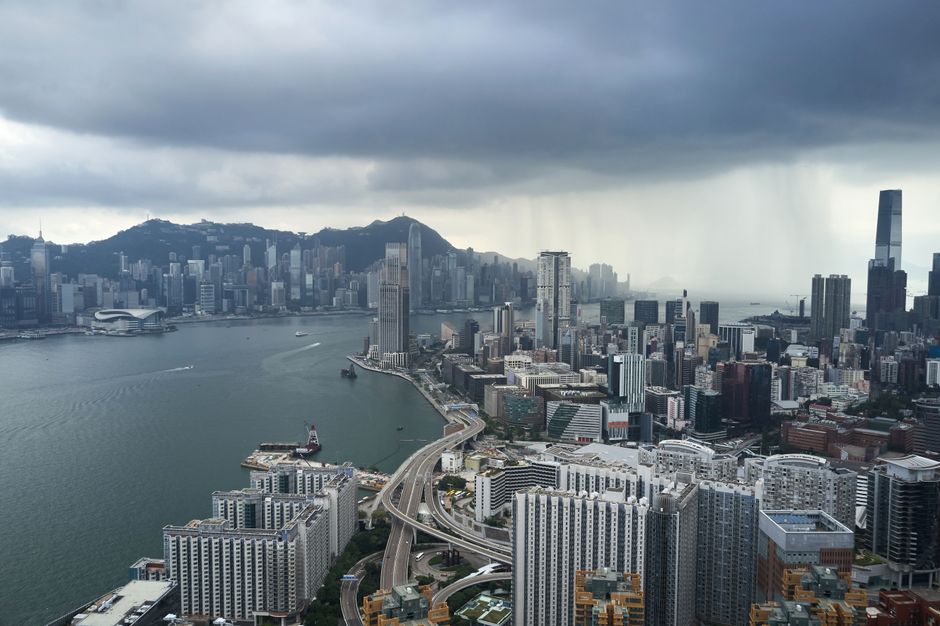
Hong Kong's bustling startup ecosystem is facing an unexpected headwind as global geopolitical tensions reshape investment flows across Asia. Founders operating from innovation hubs like Cyberport in Lei King Wan and the growing tech corridor around Tai Koo are reporting a noticeable shift in venture capital appetite, with institutional investors becoming increasingly cautious about committing fresh capital to early-stage ventures.
The cooling comes at a critical juncture for the city's innovation ambitions. Over the past eighteen months, Hong Kong had positioned itself as a bridge between Western and Chinese innovation ecosystems, attracting a growing pool of seed-stage startups. Recent developments—from escalating Middle East tensions affecting global supply chains to heightened scrutiny on cross-border technology investments—have triggered a visible pullback from international limited partners who typically fund local venture firms.
Data from the Hong Kong Venture Capital Association suggests that funding rounds in the first half of 2026 dropped approximately 23 percent compared to the same period last year, with Series A investments particularly affected. Founders in the biotech and fintech sectors, which have traditionally attracted foreign capital, report longer due diligence periods and more stringent requirements around compliance and export controls.
"We're seeing investors take a more defensive stance," explains one emerging venture capital partner based in Central, who declined attribution. Typical seed rounds of HK$5–10 million are now taking three to four months to close, double the timeline from twelve months ago. Early-stage founders are adapting by pursuing bridge financing and exploring alternative funding mechanisms through Hong Kong's growing pool of family offices and corporate venture arms.
The impact extends beyond capital availability. International talent recruitment—critical for Hong Kong's tech ambitions—has also become more complex. Visa processing delays and heightened immigration scrutiny across multiple jurisdictions have made it harder for startups to assemble diverse founding teams, particularly in roles requiring specialist expertise.
However, some observers detect opportunity within the adjustment. Founders focused on Southeast Asian markets rather than Western expansion are attracting fresh interest, particularly those developing logistics, fintech, and supply chain solutions tailored to regional challenges. Hong Kong's position as a stable regulatory jurisdiction and international financial centre remains an asset, even as global capital becomes more selective.
The Innovation and Technology Bureau's push to support local startups through the InnoHK initiative and expanded office space in areas like Kowloon Bay may prove timely, offering some insulation from international capital fluctuations. For now, Hong Kong's innovation community is learning to operate with fewer external tailwinds—and building more resilient businesses as a result.
This article was compiled by AI from the sources linked above and screened before publishing. See our editorial standards.