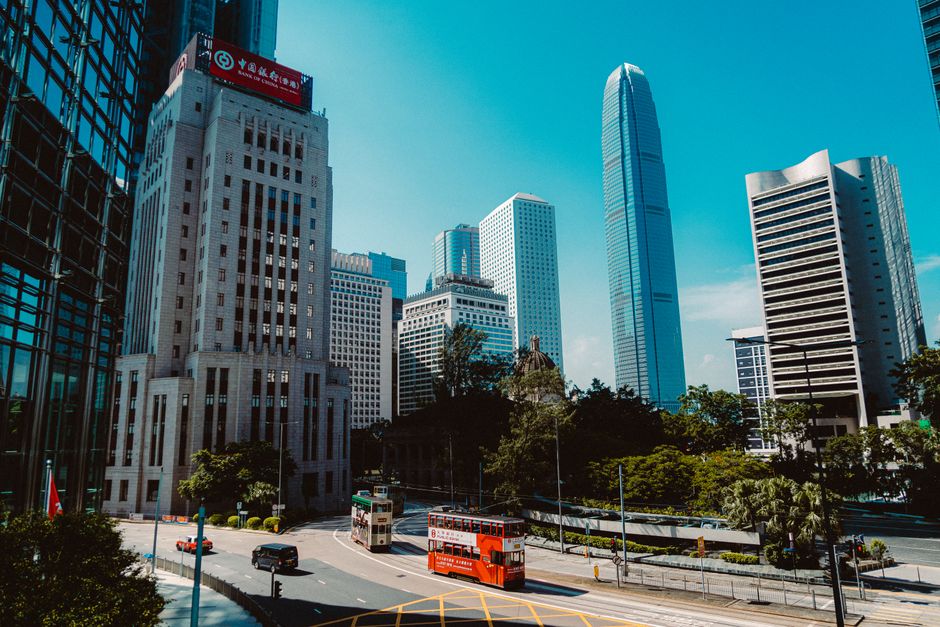
Hong Kong's commercial property market is experiencing a telling shift as multinational corporations recalibrate their Asia-Pacific operations amid global uncertainty. The ripple effects of escalating US-Iran tensions, Middle East instability, and broader geopolitical fragmentation are now directly influencing how international businesses approach their Hong Kong office footprint.
Data from the Hong Kong Real Estate Exchange shows that Grade A office leasing in Central has softened to HK$65–72 per square foot monthly in Q2 2026, down from HK$78–85 a year earlier. Meanwhile, Kowloon East—traditionally a secondary hub—has seen relative resilience, with rents holding at HK$48–55 per square foot as firms seek cost efficiencies without sacrificing connectivity.
The pattern reflects a broader corporate caution. Companies with significant Middle East exposure, particularly energy traders, financial services firms, and logistics operators, are reducing their commitments. Some have consolidated operations, moving from multiple floors in iconic Central towers to shared workspaces or consolidating back-office functions in lower-cost zones like Quarry Bay and Taikoo Place.
"We're seeing genuine flight to quality, but with strings attached," explains one leasing agent familiar with multinational negotiations across Pacific Place, Two IFC, and Landmark. Firms now demand more flexible lease terms—shorter initial commitments, break clauses, and hot-desking arrangements—reflecting uncertainty about their own regional headcounts.
Tech and fintech companies, once aggressive Central occupants, are particularly cautious. Several US-based firms have paused expansion plans pending clarity on US-China trade and tech policy under the current administration. Meanwhile, some European asset managers are reassessing whether their Hong Kong presence justifies premium Central rents when regional hubs like Singapore offer comparable connectivity with lower geopolitical risk premiums.
Not all sectors are retreating. Wealth management and family office activity remains robust, with private banking operations still seeking prestige addresses. However, even here, footprint growth has stalled. Several major global banks have not increased their Hong Kong headcount materially since late 2024.
The implications extend beyond rents. Property owners face mounting vacancy—current Grade A vacancy in Central stands at approximately 8.5 percent, the highest in three years. This pressure is forcing landlords to offer incentives: free rent periods, fit-out allowances, and tenant improvement contributions have become standard negotiating points.
For Hong Kong's business establishment, the message is sobering. The city's historic advantage as Asia's financial gateway depends partly on stable international confidence. When global tensions spike, multinationals don't necessarily flee; they simply become more selective about spending. That disciplined approach is reshaping the city's real estate equilibrium in ways that will likely persist through 2026 and beyond.
This article was compiled by AI from the sources linked above and screened before publishing. See our editorial standards.