Hong Kong is experiencing a tourism surge unseen since before 2020. Visitor numbers topped 11.6 million in the first half of 2026, with forecasts suggesting the year could exceed 30 million arrivals. While headlines celebrate economic recovery, everyday residents face a more complicated reality: the booming visitor economy is fundamentally reshaping how you live, work, and move through the city.
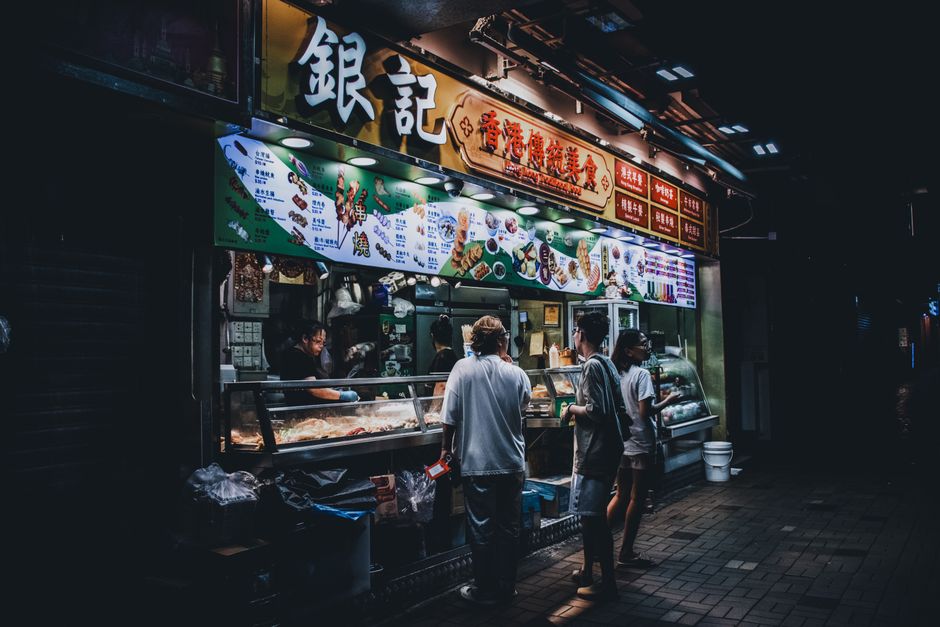
The most visible impact hits your wallet. Restaurants and cafes in Central, Causeway Bay, and increasingly in residential areas like Mong Kok and Sham Shui Po have begun pricing for tourists. A bowl of congee that cost HK$35 two years ago now sells for HK$50 at many establishments near tourist hotspots. MTR Peak Tram queues regularly exceed two hours during peak times. Even neighbourhood dim sum spots in Wong Tai Sin and Kwun Tong are experiencing longer waits and higher prices during lunch service.
Housing dynamics are shifting too. Short-term rental platforms have transformed residential buildings across Tsim Sha Tsui, Central, and Victoria Peak into de facto hotels. Your neighbours increasingly speak Mandarin or English rather than Cantonese. Property owners are incentivised to convert long-term rentals into visitor accommodation—a decision that pressures local housing supply when vacancy rates already hover below 4 per cent.
The government projects tourism will contribute HK$189 billion to GDP this year and support 320,000 jobs across hospitality, retail, and transport sectors. For many residents, this means genuine employment opportunities, particularly in service industries. Tax revenues from tourism-related businesses help fund your MTR fares, hospital services, and district infrastructure—though this benefit remains unevenly distributed across neighbourhoods.
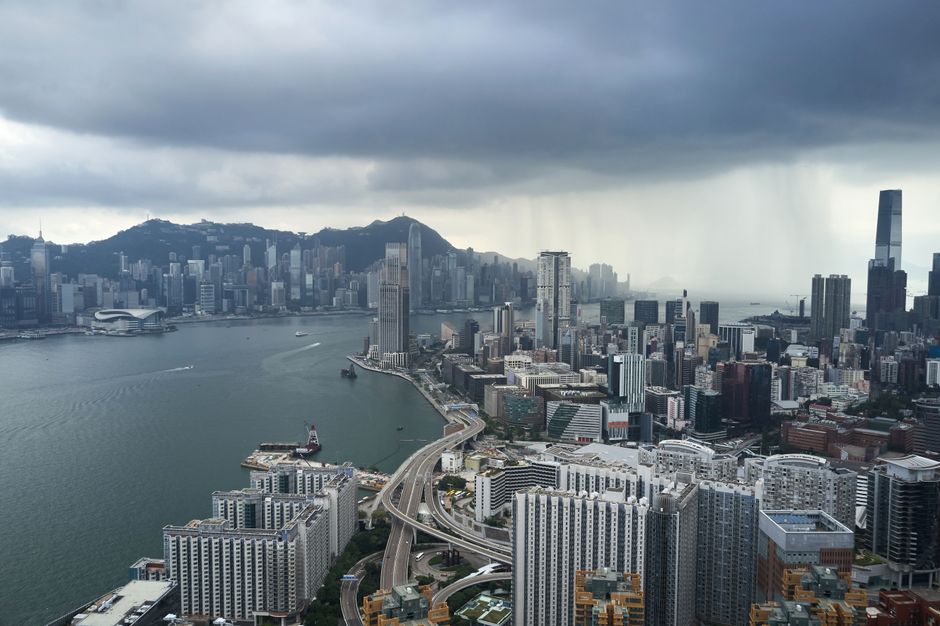
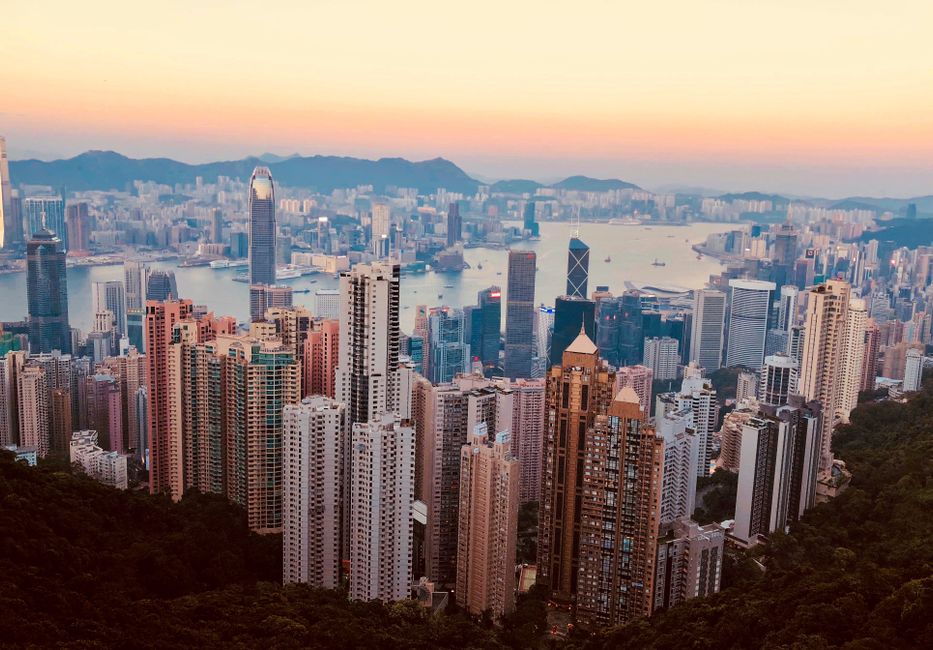
Public spaces bear the strain. Victoria Harbour's waterfront, Temple Street Night Market, and Star Ferry terminals operate at near-capacity during peak hours. Photo-taking crowds around heritage sites from Hollywood Road to Cheung Chau create bottlenecks that weren't present five years ago. The Environmental Protection Department reports increased litter in popular areas, straining cleaning services.
The real issue facing residents isn't tourism itself—it's transparency and planning. The Tourism Board's quarterly reports don't break down visitor impact by neighbourhood or predict which areas will see the most pressure. Residents lack input into peak-time management strategies. Transport planning hasn't fully adapted, despite clear demand surges.
Understanding this dynamic matters because you're not just a resident—you're also a stakeholder in how your city evolves. Whether you welcome tourism's economic benefits or feel burdened by its costs, staying informed about visitor patterns, pricing trends, and infrastructure pressures allows you to navigate Hong Kong more effectively and advocate for balanced policies that serve both visitors and locals.
This article was compiled by AI and screened before publishing. See our editorial standards.