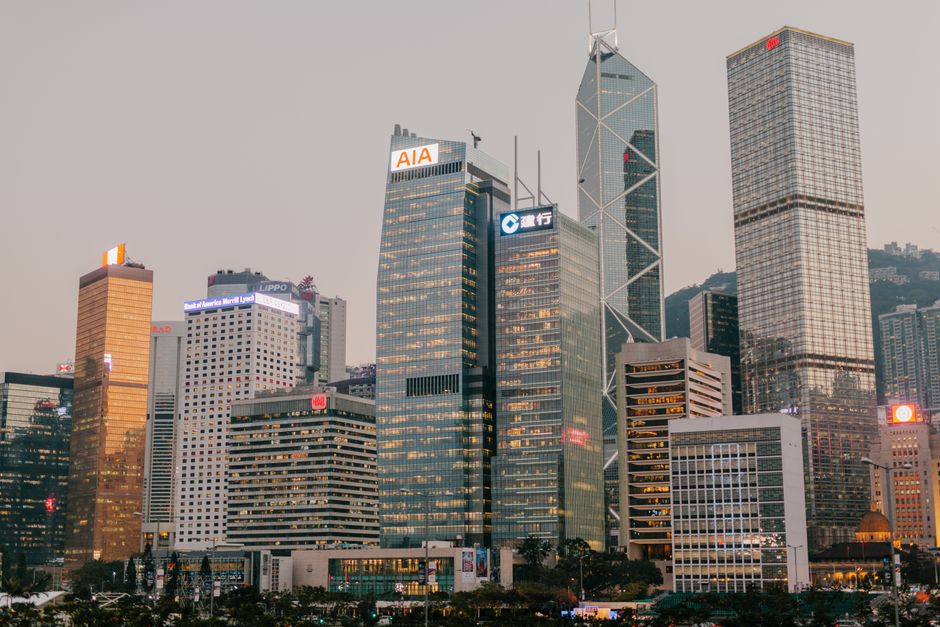
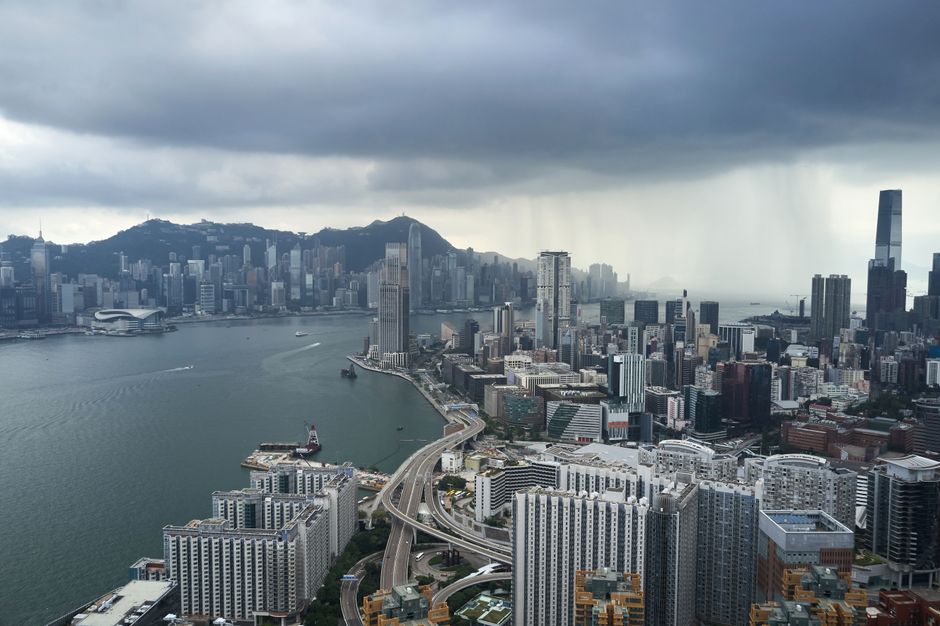
Walk through Central's office towers on any given Wednesday, and you'll notice something that would have been unthinkable five years ago: half the desks sit empty. This shift isn't mere anecdote. Data from Hong Kong's property market shows that Grade A office space utilisation in the Central Business District has dropped to roughly 65 per cent of pre-pandemic levels, forcing major landlords along Des Voeux Road and Queen's Road Central to rethink their strategies.
The ripple effects are reshaping Hong Kong's entire employment landscape in ways that go far beyond real estate. The traditional hierarchy that once anchored Hong Kong's job market—where prestige meant an address on the 40th floor of a gleaming tower—is dissolving. Companies like those clustered in Cyberport on Hong Kong Island and Wong Chuk Hang's growing tech hub are now recruiting talent from across Asia without requiring candidates to relocate. A mid-level software engineer in Lantau or the New Territories can now command comparable salaries to their counterparts sitting in expensive Central offices, a levelling that was impossible when physical presence meant everything.
This flexibility is attracting a new demographic to Hong Kong's labour market. Rather than young professionals burning out in exhausting commutes from distant suburbs, companies are finding they can retain experienced workers who might otherwise have left the city. Professionals with family commitments or those seeking better quality of life are staying put—and staying productive. Recruitment firms operating from offices in Sheung Wan report that job applications have diversified geographically, with candidates from Sai Kung, Tai Po, and even the outlying islands now competing for roles that previously demanded Central presence.
Yet this democratisation has created unexpected pressure points. Secondary business districts like Causeway Bay and Admiralty are experiencing renewed demand as companies decentralise their footprints, seeking cheaper space while maintaining some physical presence. Meanwhile, the hospitality and service sectors supporting office workers—the cafes, restaurants, and retail shops that thrived on foot traffic—are adjusting to a fundamentally different customer base and working rhythm.
The salary implications are significant. Entry-level positions in finance and professional services have seen modest compression as companies tap broader talent pools, while specialised roles commanding scarce skills have become more competitive. Hong Kong's unemployment rate, hovering near 3 per cent, masks deeper shifts: younger workers are taking longer to find positions, while mid-career professionals with adaptable skills are increasingly in demand.
As summer 2026 unfolds, Hong Kong's employment market looks less like the tightly stratified hierarchy of old and more like a distributed network. The question now is whether the city's infrastructure—transport, digital, and social—can support this new reality.
This article was compiled by AI from the sources linked above and screened before publishing. See our editorial standards.