Hong Kong's tourism recovery has triggered an unexpected labour shortage that is reshaping the visitor economy sector and forcing businesses across the city to fundamentally rethink recruitment strategies.
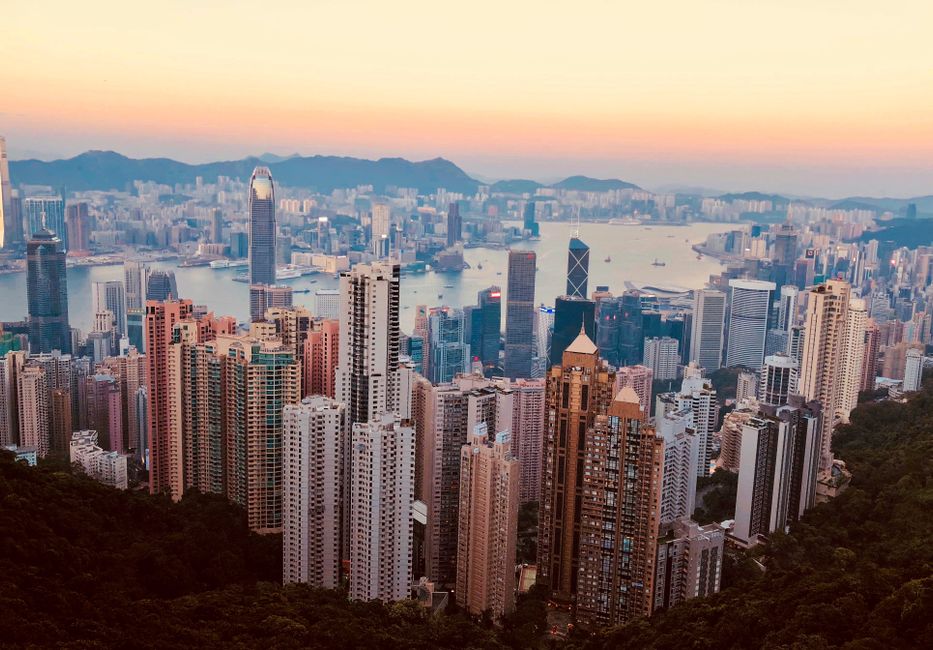
Visitor arrivals to Hong Kong reached 3.8 million in the first quarter of 2026, according to the Tourism Board, representing a 23 percent year-on-year increase. This surge has created intense demand for hospitality workers, tour guides, and service professionals across the city's hotels, restaurants, and attractions—from the iconic Peak Tram on Victoria Peak to Michelin-starred establishments in Central and trendy venues along Hollywood Road in Sheung Wan.
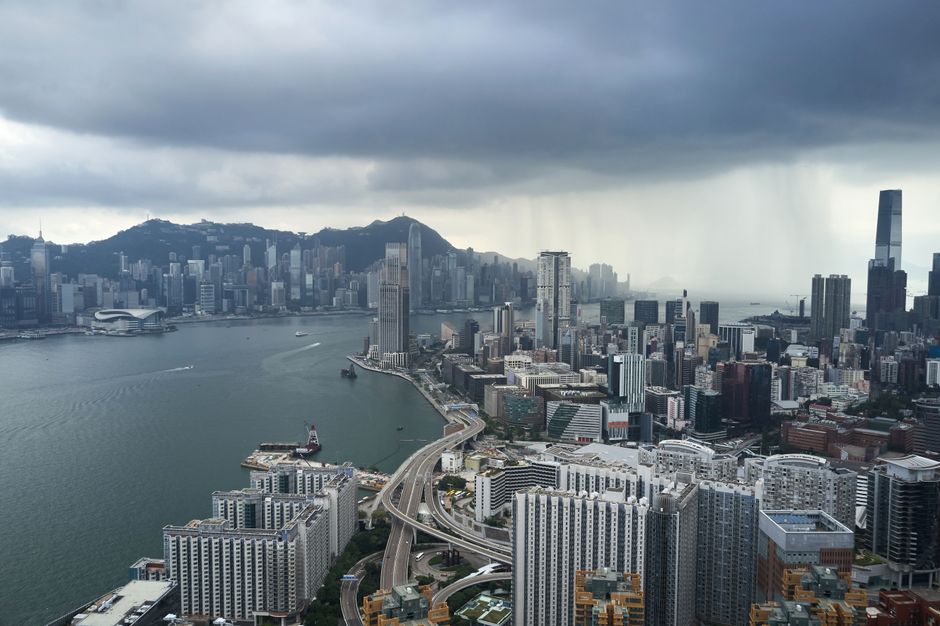
The labour crunch is particularly acute in entry-level and mid-tier roles. Hotels along the Tsim Sha Tsui waterfront and across the Wan Chai district report vacancy rates approaching 15 percent for positions including housekeeping, front-desk operations, and food service. Starting salaries for entry-level hospitality positions have climbed to HK$18,000–HK$21,000 monthly—a 12 percent increase compared to 2024—yet employers struggle to fill roles.
"We're competing not just with other hotels but with retail and fintech for the same talent pool," explains one human resources director at a major hotel group, requesting anonymity. "Young people are choosing other sectors perceived as offering better long-term prospects."
The shortage has accelerated Hong Kong's evolution toward a more sophisticated talent strategy. The Immigration Department has streamlined visa processing for hospitality professionals, while industry bodies like the Hong Kong Hotels Association have partnered with tertiary institutions to expand training programmes at institutions including the Hong Kong Institute of Vocational Education.
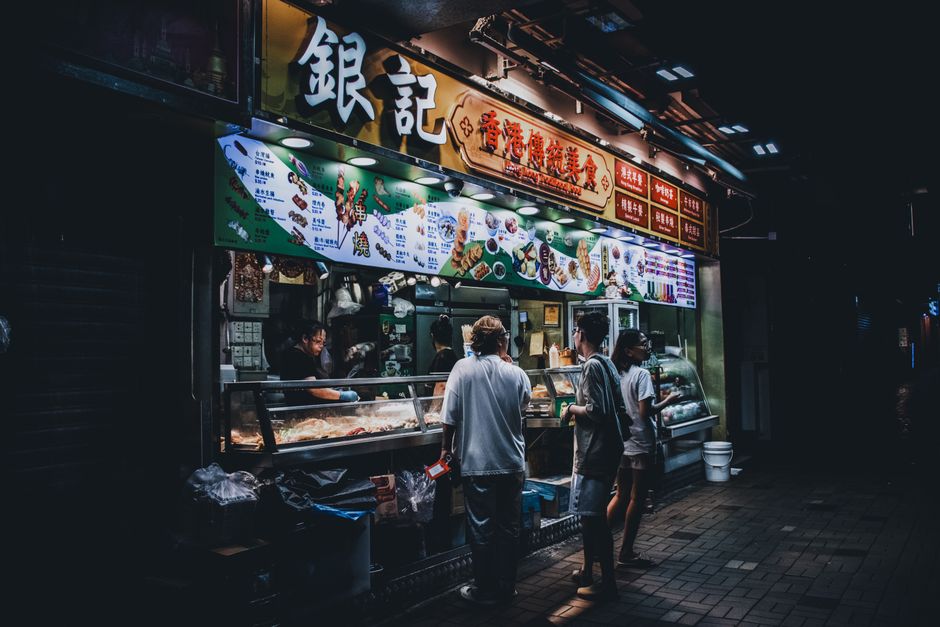
Meanwhile, restaurant operators in Lan Kwai Fong and traditional dim sum establishments in Mong Kok are experimenting with higher wages and flexible scheduling to attract younger workers who previously viewed hospitality as temporary employment.
The structural shift extends beyond wages. Employers increasingly emphasise career pathways and professional development to retain staff. Several hotel groups now offer fast-track management training, while boutique attractions and F&B operators across districts like Sham Shui Po have begun offering equity incentives or performance bonuses tied to visitor satisfaction metrics.
Industry analysts suggest this trend will persist as Hong Kong consolidates its position as a post-pandemic travel hub connecting mainland China with regional and international markets. The challenge for policymakers and business leaders alike: sustaining the tourism boom while building a workforce equipped for competition in a rapidly evolving service economy.
This article was compiled by AI from the sources linked above and screened before publishing. See our editorial standards.