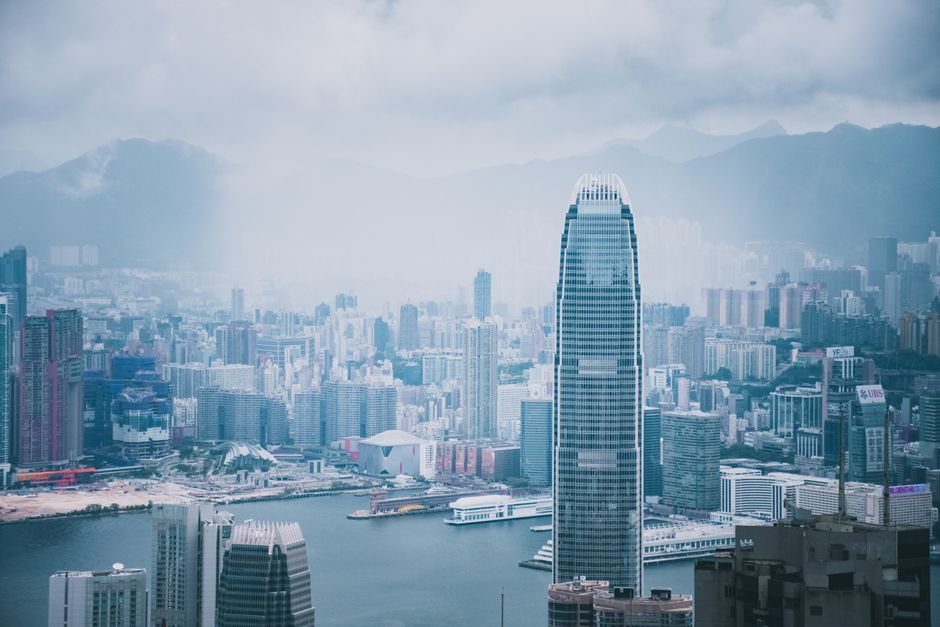
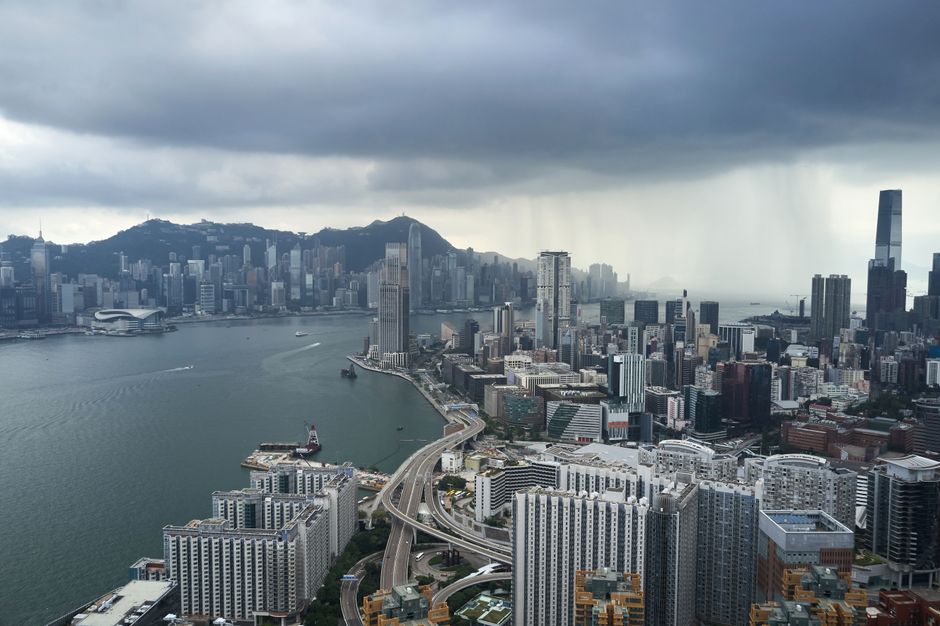
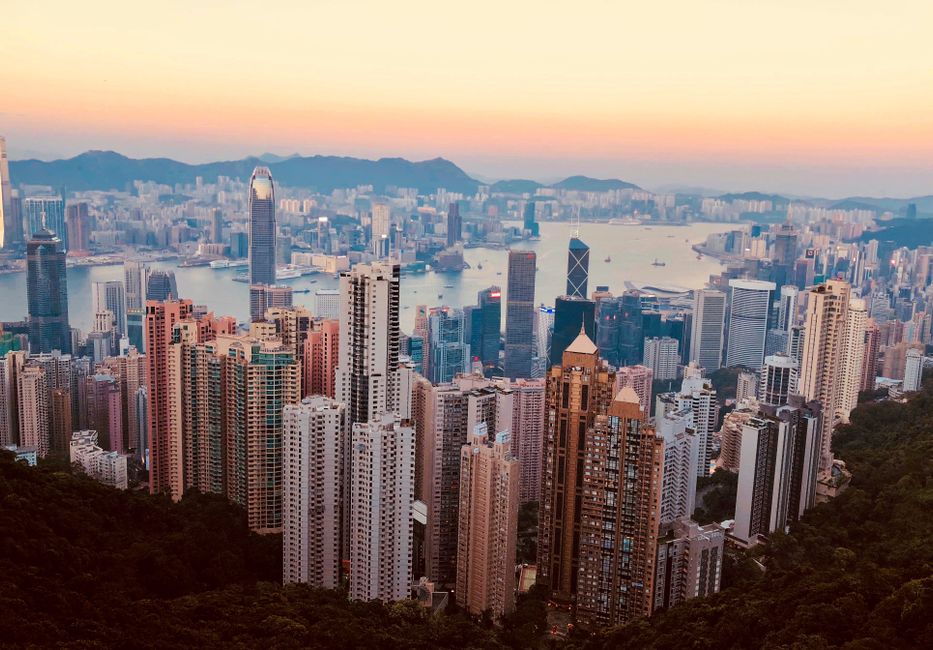
Hong Kong's innovation district landscape is undergoing a significant recalibration as commercial landlords reassert pricing power and government support programmes face budgetary constraints. For startups and early-stage ventures, the message is clear: the cost of doing business in the city's traditional tech hubs is climbing faster than many founders anticipated.
Rents in Cyberport, the city's flagship innovation hub in Lei Tung on Hong Kong Island, have risen approximately 12–15% over the past 18 months, according to local commercial real estate brokers. Similar pressures grip the Science Park in Sha Tin and emerging clusters around Central and Sheung Wan, where co-working spaces now command premium rates that rival mid-tier office space in developed markets.
"The market has bifurcated," explains one prominent local venture capitalist familiar with current conditions. Established startups with funding backing can absorb higher overheads, but pre-seed and early-stage founders are increasingly exploring alternatives—particularly in secondary locations like Kwun Tong and even cross-border zones in the Greater Bay Area.
The Innovation and Technology Fund, long a critical lifeline for Hong Kong startups, has seen application volumes surge while approval windows have extended. Entrepreneurs report that securing matching funding has become more competitive, with judges applying stricter commercialisation benchmarks. Recent policy shifts emphasising "deep tech" and AI-related ventures have also narrowed the playing field for consumer-facing and fintech startups that previously enjoyed easier access to grants.
Yet not all signals are negative. Private sector interest in seed and Series A funding remains robust, particularly in artificial intelligence, biotech, and green technology sectors. Several international venture firms have expanded their Hong Kong operations this year, attracted by the city's talent pool, regulatory frameworks, and proximity to mainland capital.
For founders navigating this environment, the practical implications are stark: negotiate longer lease terms to lock in current rates; diversify office locations rather than concentrating teams in premium districts; and prepare more rigorous financial projections when approaching both government and private funders. Some successful startups are also experimenting with hybrid setups, anchoring core teams in lower-cost neighbourhoods while maintaining small prestige offices in Central for client meetings.
The broader picture suggests Hong Kong's startup ecosystem is maturing in ways typical of established global innovation hubs. Growth is not stalling, but it is becoming more selective and disciplined—a shift that will ultimately favour founders with solid business fundamentals over those banking on hype and generous rent subsidies.
This article was compiled by AI from the sources linked above and screened before publishing. See our editorial standards.