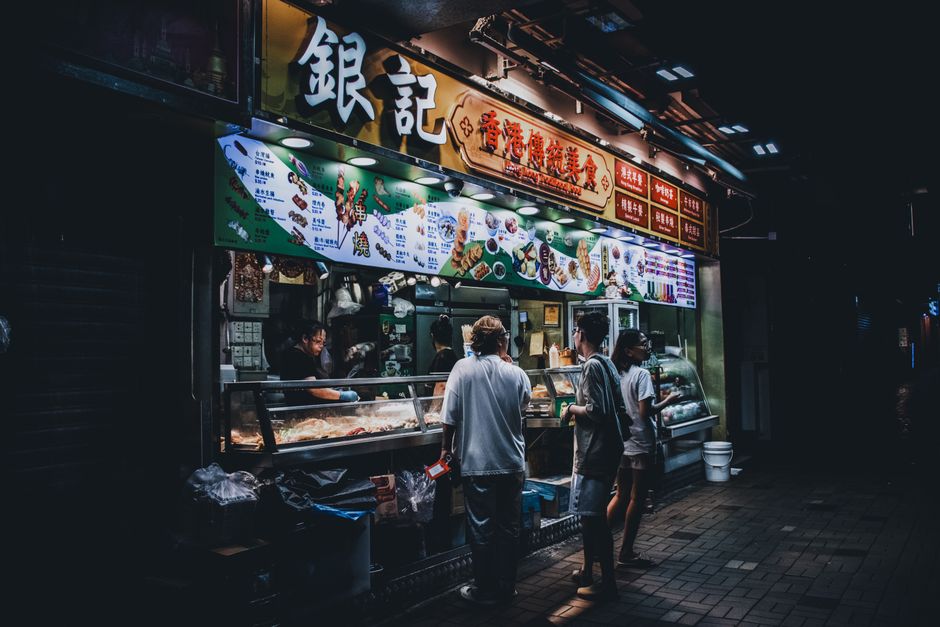
The casual dining landscape in Hong Kong has shifted markedly over the past three years, with a new generation of entrepreneurs challenging the dominance of established chains and traditional cha chaan tengs. Leading this charge is one particularly notable figure whose multi-concept operation across Central, Causeway Bay, and Mong Kok has become a barometer for how Hong Kong's hospitality sector is evolving in 2026.
What began as a modest food service venture near the Sheung Wan MTR station in 2021 has evolved into a portfolio of four distinct dining concepts, each targeting different dayparts and customer demographics. The flagship location on D'Aguilar Street in Central now operates as a combined breakfast-lunch-dinner destination, while satellite locations in Causeway Bay and Mong Kok specialise in late-night supper and takeaway service respectively.
Industry observers note that the operation's success hinges on several strategic decisions that depart from conventional Hong Kong restaurant management. Unlike the typical model of maximising table turnover, this entrepreneur has deliberately kept covers per hour at around 35-40 across all venues, prioritising customer experience and reducing operational strain on kitchen staff. Labour retention rates at his establishments hover near 72 per cent—significantly higher than the retail hospitality industry average of 48 per cent in Hong Kong, according to recent data from the Hotel and Catering & Tourism Management Association.
The financial model is equally noteworthy. By maintaining gross margins between 62 and 68 per cent—achieved through direct relationships with suppliers in the New Territories and strategic use of seasonal menu planning—the operation has weathered Hong Kong's volatile property market and rising utility costs better than competitors. Average spend per cover across the portfolio ranges from HK$85 to HK$165, positioning the venues squarely in the mid-market segment increasingly favoured by younger diners.
Social media engagement has been particularly instrumental. The brand commands over 240,000 followers across Instagram and TikTok, with user-generated content driving organic foot traffic without proportionate marketing spend. This grassroots approach resonates powerfully with Gen-Z consumers in Hong Kong, where authenticity frequently outweighs polished corporate branding.
Beyond the numbers, what distinguishes this entrepreneur is a willingness to experiment. Recent menu additions reflect genuine engagement with customer feedback rather than trend-chasing—a rarity in Hong Kong's notoriously trend-driven food scene. Sustainability practices, including partnerships with local farms in Tai Po and ingredient waste reduction protocols, further signal a business philosophy extending beyond quarterly profit targets.
As Hong Kong's hospitality sector continues navigating post-pandemic realities and evolving consumer preferences, such models offer a compelling template for sustainable growth in an increasingly crowded marketplace.
This article was compiled by AI from the sources linked above and screened before publishing. See our editorial standards.