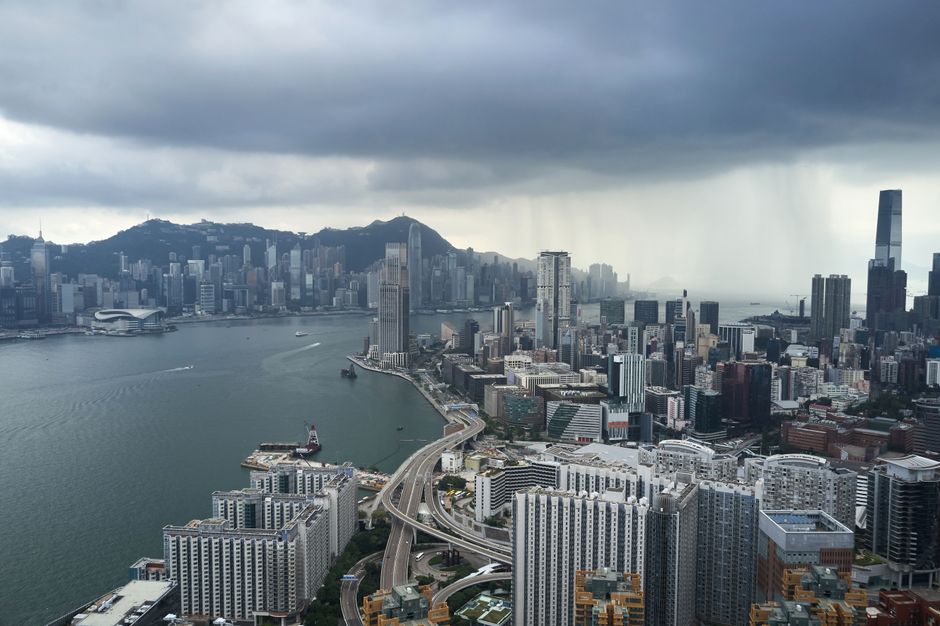
The transformation of West Kowloon from cultural precinct to innovation powerhouse is reshaping Hong Kong's startup landscape—and creating a clear winner-and-loser dynamic among investors and entrepreneurs.
Since the government's March 2026 announcement of the Innovation and Technology Park expansion along the Kowloon waterfront, commercial property values in the corridor stretching from Austin Road to the New Central Harbourfront have climbed 12 percent, according to Cushman & Wakefield's latest quarterly survey. But the real winners are those who already hold leasehold interests in the area's aging industrial buildings.
Developers like Sino Land and Henderson Land, which control significant portfolios in neighbouring Mong Kok and Prince Edward, are now quietly assembling properties along Tai Hong Street and Yen Chow Street—anticipating rezoning approvals by Q4. Asking rents for sub-3,000-square-foot spaces have jumped from HK$45 per square foot to HK$68 in just four months, pricing out younger founders while benefiting landlords sitting on existing inventory.
The venture capital community, meanwhile, is consolidating. The "big three" local VC firms—Sequoia China, Horizons Ventures, and newly expanded Brinc—have collectively leased 15,000 square feet across two office towers near the MTR Kowloon Station hub. Their thesis is clear: proximity to operational founders matters. Early-stage cleantech and hardware startups, which dominate Hong Kong's founding scene, need physical space for prototyping and testing.
But smaller operators are being edged out. Co-working spaces that dominated the ecosystem five years ago—places like WeWork's now-shuttered Causeway Bay location and Blueprint, which closed last November—are giving way to purpose-built venture offices accessible only to portfolio companies. Mid-market VCs report a 40 percent increase in operating costs simply to maintain relevant office space.
The opportunity, then, is real—but increasingly stratified. Government subsidies for Innovation and Technology Park tenants (capped at HK$22 per square foot) are creating a two-tier market: subsidised spaces for qualifying deep-tech startups, and market-rate zones for service providers and corporate innovation labs.
What's emerging is a geography of opportunity that favours those with capital already in place. Founders without institutional backing face higher rents; landlords with holdings in the zone have found themselves sitting on appreciating assets; and venture firms with first-mover advantage have secured the best locations. Hong Kong's startup ecosystem is professionalising rapidly—but the cost of entry is rising faster than opportunity.
This article was compiled by AI from the sources linked above and screened before publishing. See our editorial standards.