Business
Why Your Groceries Cost More: What Hong Kong Residents Need to Know About Global Trade Tensions
Geopolitical instability and supply chain disruptions are reshaping prices at your local markets—here's what's actually happening.
3 min read
Business
Geopolitical instability and supply chain disruptions are reshaping prices at your local markets—here's what's actually happening.
3 min read
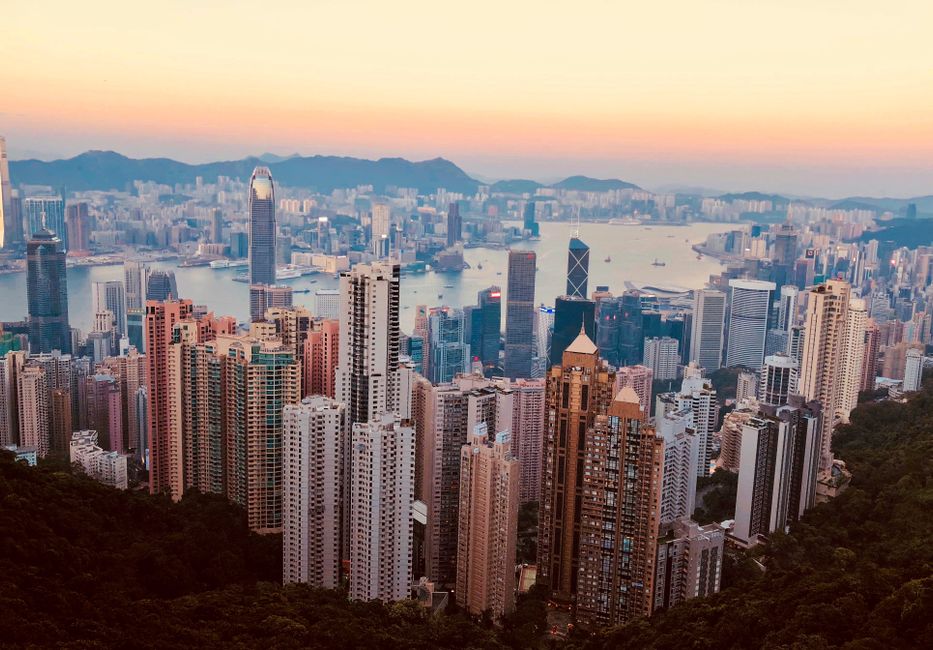
Walk through the bustling aisles of Wellcome on Des Voeux Road Central or Park'n Shop in Causeway Bay, and you'll notice something: your weekly groceries cost noticeably more than they did two years ago. A dozen eggs now runs roughly HK$38–42, up from HK$28–30 in 2024. Imported cheese, fresh fish, and premium oils have seen similar jumps. Most Hong Kong residents blame inflation generally, but the real story is far more complex—and directly tied to the geopolitical turmoil dominating global headlines.
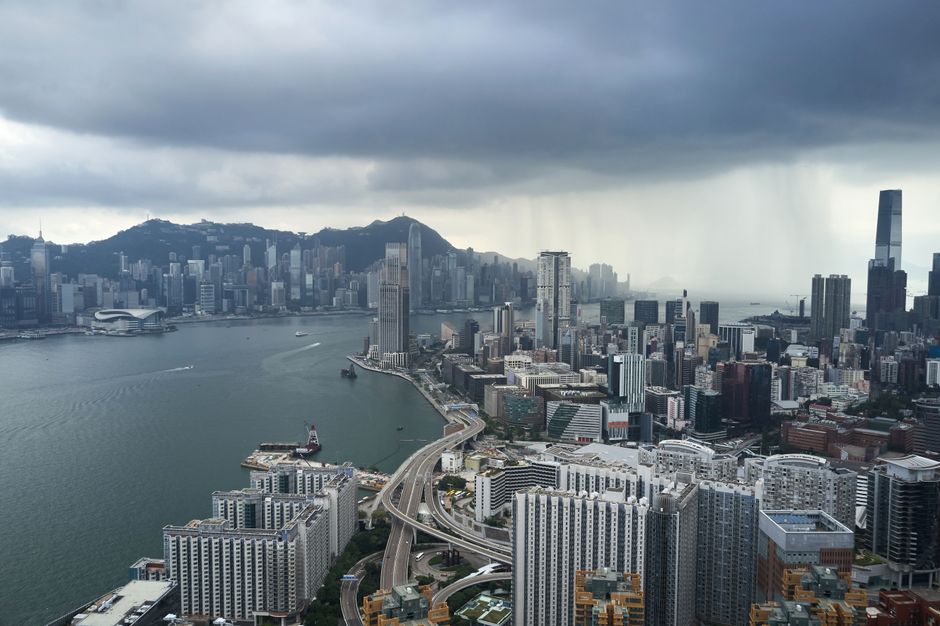
The shipping routes connecting Hong Kong to the rest of the world are under pressure. Recent escalations in the Middle East, combined with ongoing tensions in Pakistan-Afghanistan and broader U.S.-Iran negotiations, have made maritime transport less predictable and more expensive. Container shipping rates through the Strait of Hormuz—vital for oil and goods flowing toward Asia—remain volatile as Iran's leverage over regional stability persists. For Hong Kong, a city that imports roughly 90 per cent of its food, these disruptions translate directly to your shopping basket.
Several broader trade currents are also at play. The Trump administration's approach to tariffs and bilateral agreements continues reshaping supply chains that Asia has relied on for decades. Many manufacturers are recalculating where they source raw materials and where they manufacture goods. Some are diversifying away from single-country dependency, which sounds prudent until you realise it temporarily increases costs during the transition. European suppliers shipping to Hong Kong are contending with their own economic uncertainties, pushing them to demand higher prices upfront. Agricultural exporters in Southeast Asia—a crucial source for Hong Kong's produce—face labour shortages and climate pressures exacerbated by regional instability.
The Hong Kong business community, through organisations like the Hong Kong General Chamber of Commerce, has been quietly advocating for stable trade relationships, but these efforts matter less than geopolitical events beyond the city's control. What residents should understand is that your cost of living isn't simply rising due to local policy. It's a consequence of global supply chains buckling under unprecedented simultaneous strain: Venezuelan economic collapse disrupting oil markets, Middle Eastern tensions threatening transit routes, and political upheaval in South Asia creating knock-on effects across Asia-Pacific shipping and manufacturing.
For now, expect prices to remain elevated at your neighbourhood wet markets and supermarkets. The question isn't whether costs will fall, but when—and whether—global stability returns sufficient to genuinely ease the pressure on Hong Kong's import-dependent economy.
This article was compiled by AI from the sources linked above and screened before publishing. See our editorial standards.
Business
Business

Business
Business
About this article
Published by The Daily Hong Kong
Spread the word
Daily brief
Free, in your inbox before 7am. Weekdays.
Before you go
The day's Hong Kong news in a 2-minute read. Free, weekday mornings.