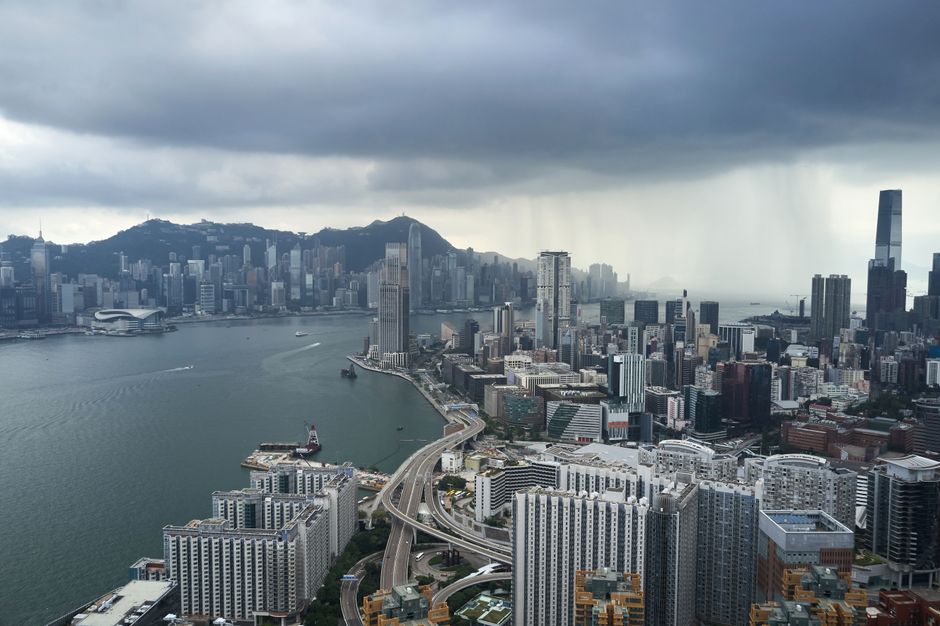
Hong Kong's commercial property market is undergoing a subtle but significant realignment. After years of robust demand and sky-high rents, office buildings across Central, Admiralty and Wan Chai are experiencing unfamiliar pressures—and forward-thinking businesses need to understand what that means for their bottom line.
The headline story is visible on the ground: vacancy rates have edged upward to around 6-7% in prime office corridors, the highest in several years. Grade-A offices in Central remain the gold standard, commanding rents near HK$100-120 per square foot monthly for premium locations. Yet spaces in nearby Sheung Wan and Mid-Levels are increasingly competitive, with landlords offering incentive packages—free rent periods, fit-out contributions, flexible lease terms—that would have been unthinkable two years ago.
Several forces are reshaping occupier behaviour. The hybrid work phenomenon, which initially seemed temporary, has become structural. Major multinationals and financial services firms are rightsizing footprints, consolidating teams, and negotiating harder at renewal. Meanwhile, younger tech and creative firms are gravitating toward secondary locations with lower cost bases: Quarry Bay's industrial conversions, Chai Wan's emerging tech clusters, and even the Kowloon East corridor around Tseung Kwan O have attracted companies seeking flexibility and value.
The investment community has noticed. While Hong Kong remains a tier-one global financial centre, recent cross-border capital flows have been more cautious. REITs holding major portfolios have adjusted dividend expectations, signalling realistic near-term growth assumptions.
For occupiers, the practical implication is clear: this is a rare window. Lease negotiations favour tenants more than they have in a decade. Companies considering expansion, relocation, or renewal should move decisively. The premium for Grade-A Central addresses—once a non-negotiable cost of doing business here—is now worth scrutinising against alternatives in Admiralty, Wan Chai, or even beyond the traditional financial district.
Equally important: location strategy should align with talent geography. If your team increasingly works from home, does that flagship Central address still justify its premium? Conversely, if you're recruiting competitive talent in emerging sectors, proximity to innovation hubs may matter more than prestige address.
Hong Kong's commercial property market remains fundamentally sound—underwritten by the city's unmatched role as Asia's premier business hub. But the days of automatic rent growth and landlord leverage have paused. Smart operators will use this moment to recalibrate real estate costs and align workspace with evolving business needs.
This article was compiled by AI from the sources linked above and screened before publishing. See our editorial standards.