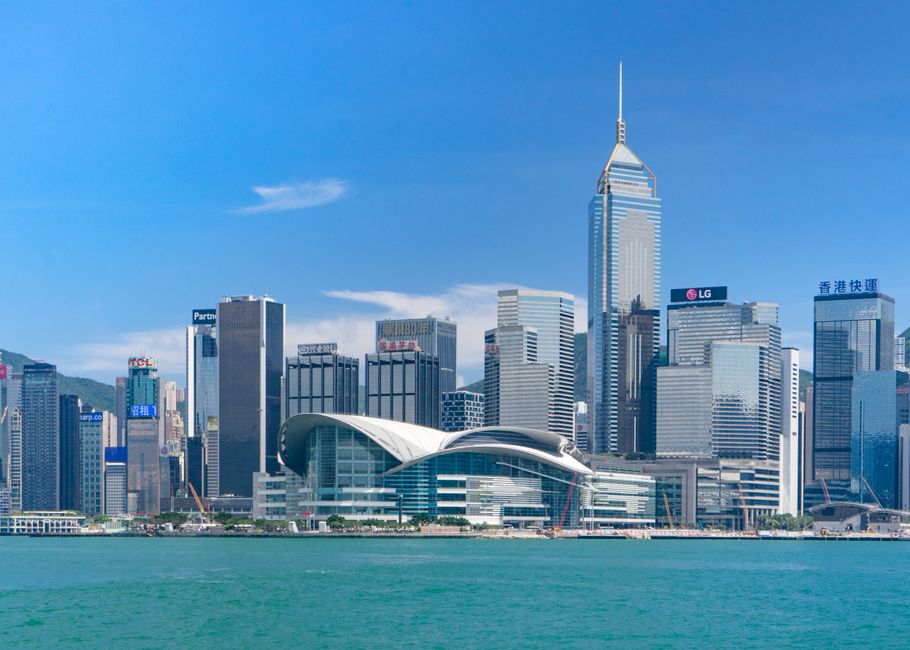
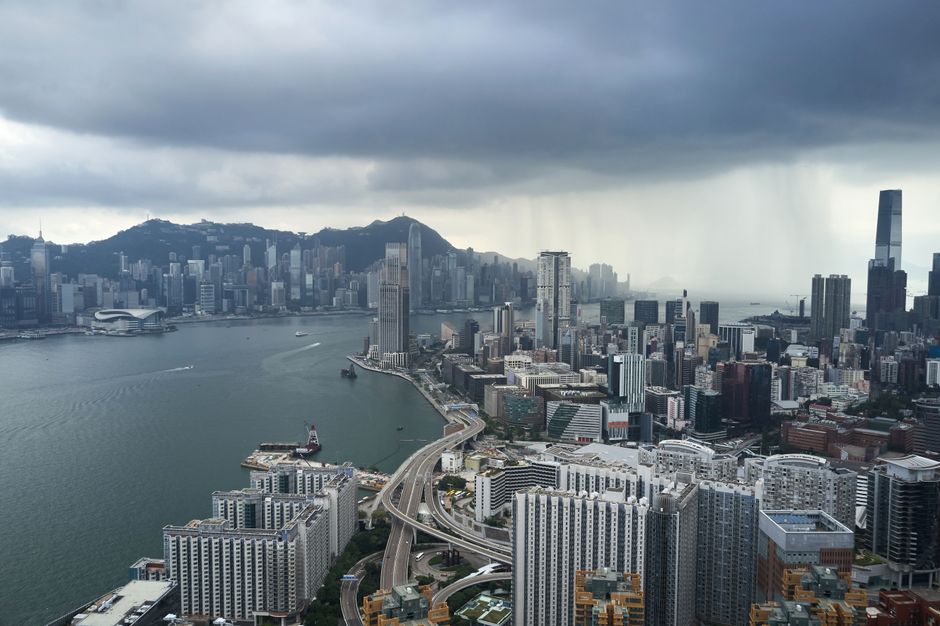
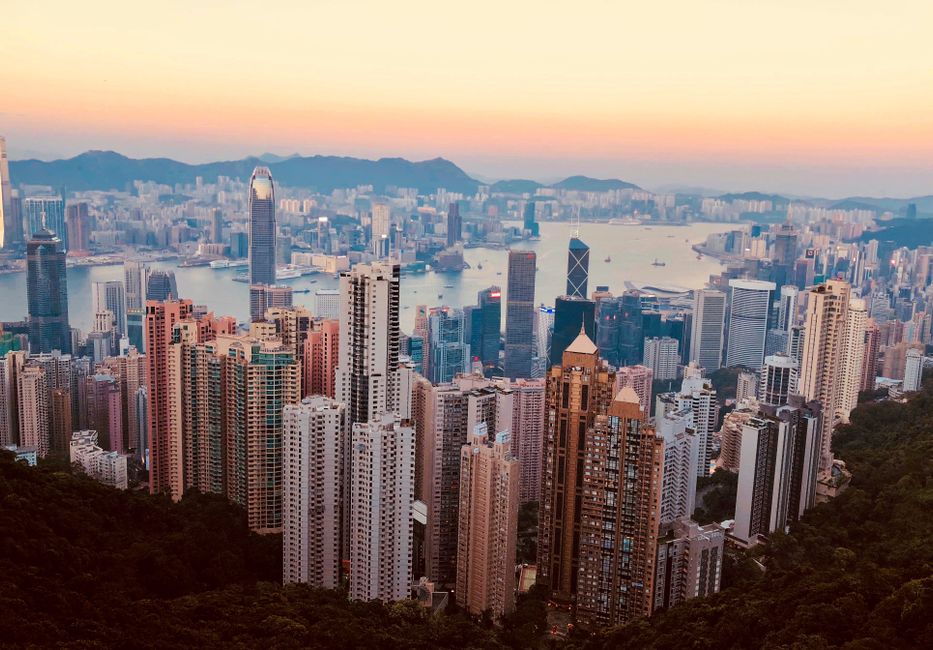
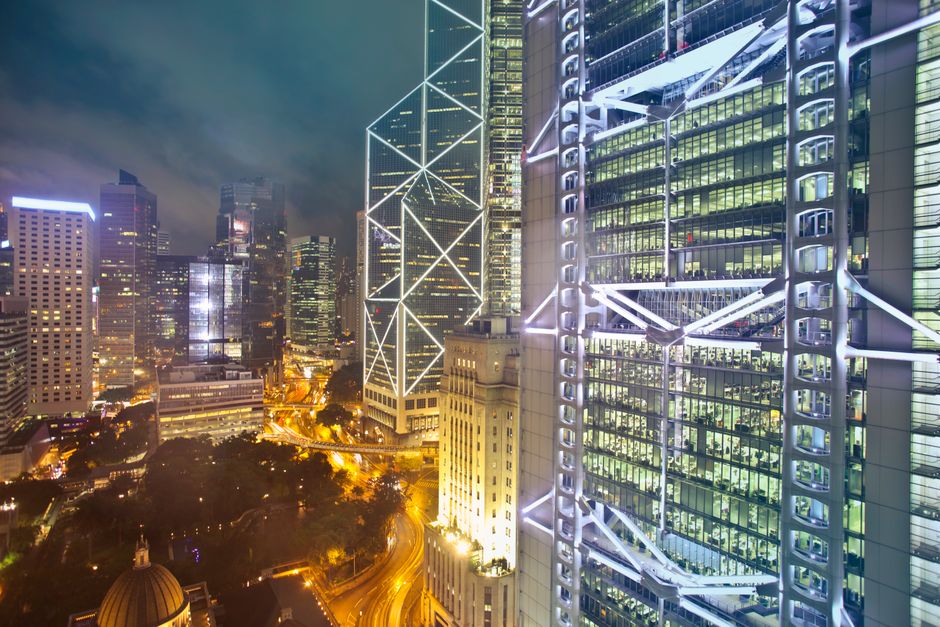
Hong Kong's commercial property market is confronting a challenging 2026, with office rents across prime districts stalling and vacancy rates climbing to levels unseen in nearly a decade. The headwinds buffeting the sector reflect broader structural shifts in how businesses operate, compounded by increased competition from rival Asian financial centres.
The most visible pressure is in Central, where prime Grade A office space has remained largely flat year-on-year, hovering around HK$60–65 per square foot per month. In Causeway Bay, traditionally a magnet for multinational corporations, vacancy rates have edged above 6 per cent—a significant shift from the tight market conditions of 2024. Landlords are increasingly offering rent concessions and extended lease incentives to retain tenants, particularly as co-working spaces and flexible office models continue fragmenting demand across the city.
Several factors are converging to create this downdraft. First, hybrid work arrangements that took root during the pandemic have proven sticky; many major financial services firms and tech companies now operate with smaller permanent footprints in Hong Kong, relying on flexible space in districts like Wong Chuk Hang and Quarry Bay rather than committing to long-term leases in premium locations. Second, rising operational costs—including escalating salaries and utilities—are prompting some firms to consolidate rather than expand their Hong Kong offices.
Cross-border capital flows have also slowed. While Hong Kong remains Asia's undisputed financial centre, the once-booming mainland Chinese investment appetite for local commercial property has cooled considerably. Simultaneously, some multinational corporations have reassessed their regional headquarters requirements, with several operations shifting between Hong Kong, Singapore, and Shanghai based on tax efficiency and regulatory considerations.
The secondary markets are faring no better. Kowloon's business districts—from Mong Kok to Tsim Sha Tsui—are experiencing particularly acute challenges, with smaller operators struggling to justify renewal at current rates. Even retail-linked office spaces, such as those above shopping centres in Admiralty and Pacific Place, are seeing softer leasing velocity.
Property consultants suggest that relief may be gradual rather than swift. While Hong Kong's long-term fundamentals as a global financial hub remain intact, the office sector will likely remain under pressure until workplace demand stabilises and supply constraints return. For now, landlords are adapting—modernising buildings, offering enhanced amenities, and bundling services to remain competitive. But across the territory's gleaming office towers, the clear message is one of caution.
This article was compiled by AI from the sources linked above and screened before publishing. See our editorial standards.