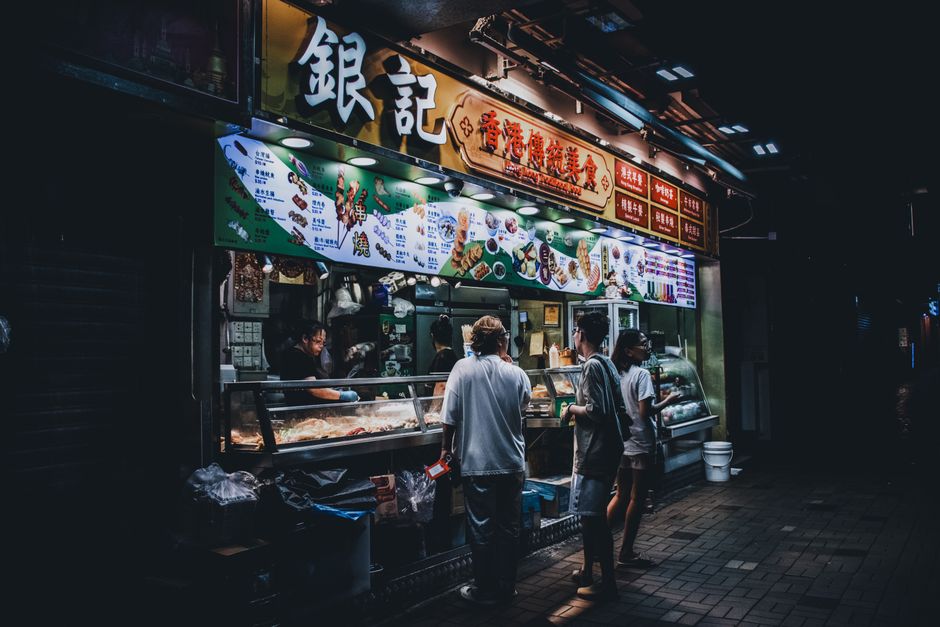
When Sarah Wong opened her leather goods boutique on Gage Street in Central three years ago, she relied on a steady stream of European suppliers and Middle Eastern tourists. Today, she is acutely aware that neither assumption holds anymore.
The escalating tensions between the United States and Iran—now set for fresh talks in Qatar—have already sent shipping costs through the roof. Container rates on major trade routes have climbed 40 percent since January, according to data from the Hong Kong Shippers' Council. Wong is not alone in feeling the squeeze: small importers across Mong Kok and Tsim Sha Tsui are passing costs to consumers, watching foot traffic dwindle as regional uncertainty dampens discretionary spending.
"My margins have collapsed," says a Mong Kok electronics retailer who requested anonymity. "Six months ago, I could bring in inventory from Southeast Asia comfortably. Now, with insurance premiums spiking and routes becoming unpredictable, I'm spending an extra HK$3,000 to HK$5,000 per shipment."
The ripple effects extend far beyond logistics. Currency volatility—driven by investor flight to safety and higher US interest rates—has made Hong Kong's peg to the US dollar a double-edged sword. While exporters benefit, businesses dependent on renminbi-denominated costs face real headwinds. Meanwhile, the unrest in the Middle East has wiped out a significant tourist demographic. Tourism arrivals to Hong Kong fell 18 percent in May alone, dragging down retail sales in high-traffic zones like Causeway Bay and Harbour City.
Yet some entrepreneurs are adapting. Smaller digital-first businesses, particularly in Sheung Wan and Wong Chuk Hang, are pivoting toward regional e-commerce platforms and reducing reliance on physical supply chains. A noodle shop operator in Central Market has shifted focus toward local sourcing and neighborhood loyalty programs, stabilizing revenue despite macro headwinds.
The Federation of Hong Kong Industries has begun quietly consulting members about diversifying supplier bases away from politically volatile regions. Meanwhile, the Hong Kong Trade Development Council is quietly encouraging small exporters to explore alternative markets in Southeast Asia and South Asia—regions less exposed to US-Iran brinkmanship.
For Hong Kong's 340,000 small and medium enterprises, the message is clear: global shocks are no longer distant abstractions. A conflict in the Strait of Hormuz, mass gatherings banned in faraway capitals, and political upheaval thousands of kilometers away now directly determine whether rent gets paid on Des Voeux Road or Lockhart Road.
This article was compiled by AI from the sources linked above and screened before publishing. See our editorial standards.