Walk down Lockhart Road in Wan Chai or browse the ground floor of Mong Kok's Langham Place, and you'll notice something unmistakable: Hong Kong's retail and hospitality sectors are undergoing seismic shifts that directly affect your wallet and your weekend plans.
The numbers tell a stark story. Over the past eighteen months, the Hong Kong Tourism Board reported that independent restaurant closures surged 34% compared to the same period two years earlier, while chain establishments have simultaneously consolidated their presence. What this means for residents: fewer neighbourhood gems, more predictable chains, and increasingly, higher prices across the board.
Consider your supermarket bill. Data from the Consumer Council's latest price tracking shows that essential groceries in Wellcome and ParknShop locations have climbed between 8-12% year-on-year, with particular spikes in imported goods and fresh produce. A standard basket of staples that cost HK$400 in early 2024 now approaches HK$460. Wet market vendors in traditional spots like Graham Street remain relatively stable, but their inventory has contracted as younger consumers gravitate toward convenience.
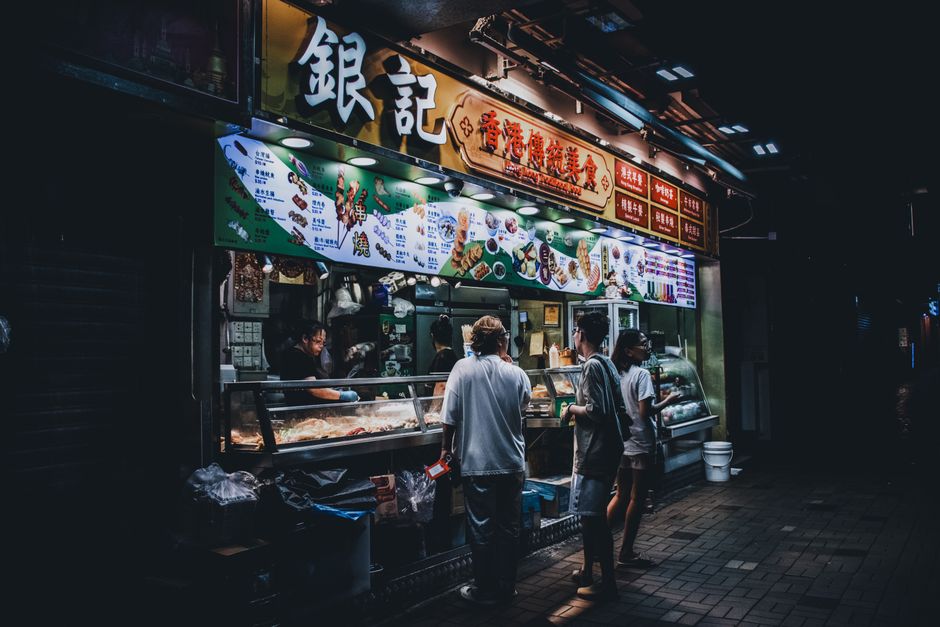
The hospitality sector reveals a two-tier reality. Michelin-starred and luxury establishments in Central and Causeway Bay continue expanding, catering to international visitors and high-income locals. Meanwhile, mid-range dining—the backbone of Hong Kong's food culture—is fracturing. Family-run dim sum restaurants and Cantonese cha chaan tengs that once dotted Mong Kok and Sham Shui Po are closing faster than replacements emerge. Industry sources suggest operational costs, particularly labour and rent, have become unsustainable for margins traditionally built on volume rather than premium pricing.
Shopping patterns have shifted too. While luxury retail along Causeway Bay remains buoyant, high street fashion in areas like Tsim Sha Tsui has contracted. E-commerce competition from mainland platforms and Southeast Asian competitors is reshaping how Hongkongers shop, with significant implications for traditional retail employment.
For everyday residents, three practical realities emerge: First, expect less diversity in neighbourhood options and more consolidation around established brands. Second, budget accordingly—your dining and grocery spend will likely climb regardless of consumer demand. Third, support local independent businesses while you can, as their survival window narrows. The Hong Kong you're shopping and eating in today is measurably different from twelve months ago, and the trajectory suggests further acceleration ahead.
This article was compiled by AI from the sources linked above and screened before publishing. See our editorial standards.