Business
How Global Chaos Is Reshaping Hong Kong's Small Business Playbook
From supply chain fractures to currency swings, local entrepreneurs in Central and beyond are adapting fast—or going under.
2 min read
Updated 10 h ago
Business
From supply chain fractures to currency swings, local entrepreneurs in Central and beyond are adapting fast—or going under.
2 min read
Updated 10 h ago
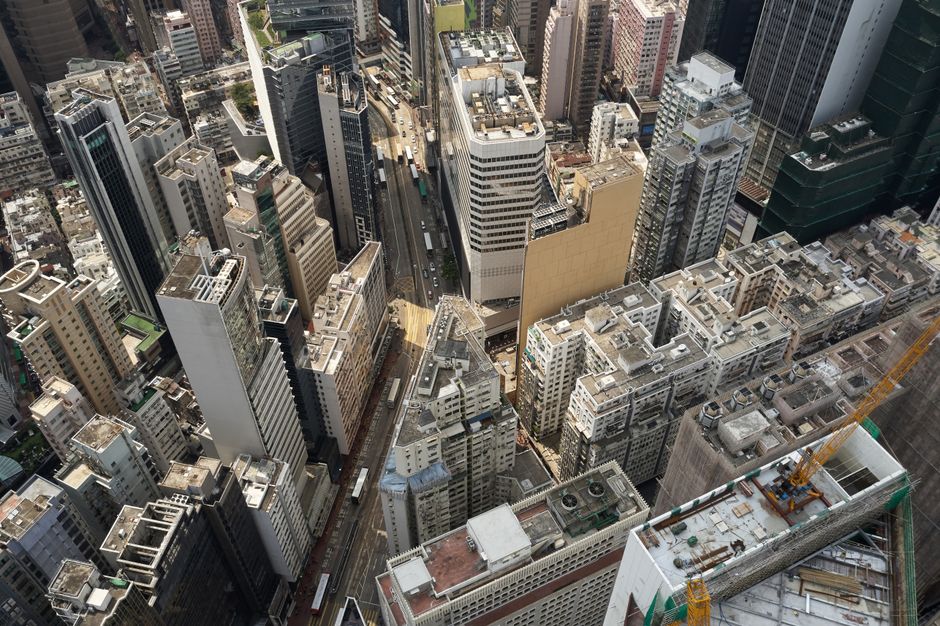
Walk through the narrow lanes of Central's SoHo district on any Tuesday morning, and you'll see the real toll of a turbulent world. Small retailers are tightening inventory. Café owners are raising prices. Import-dependent businesses are sweating margins they thought were locked in months ago.
The geopolitical tremors reshaping global markets—from Middle Eastern tensions to Venezuelan instability affecting commodity prices—are landing hard on Hong Kong's small business community. For entrepreneurs already navigating post-pandemic headwinds and fierce competition, the timing couldn't be worse.
Consider the case of logistics-dependent retailers. The recent escalation between regional powers has rattled shipping routes and driven up freight costs by as much as 15-20 percent, according to industry observers. A boutique fashion retailer sourcing from Vietnam or Thailand now faces unexpected surcharges that compress already-thin margins. Many are postponing new stock orders, a defensive move that could leave shelves sparse when tourists return.
Currency volatility is another hidden killer. The Hong Kong dollar's peg to the US dollar means when Washington tightens monetary policy—especially amid geopolitical uncertainty—local business owners with debts or suppliers demanding upfront payments face real cash-flow stress. Smaller operations without hedging strategies are particularly exposed.
But it's not all gloom. Some entrepreneurs are finding opportunity in the chaos. Businesses pivoting to domestic consumption—think specialty food shops in Sheung Wan or wellness centres in Wan Chai—are seeing steadier demand as uncertainty makes locals more cautious about overseas spending. One F&B operator near Hollywood Road noted that foot traffic from mainland tourists has shifted focus toward premium local experiences rather than fast shopping.
The broader lesson is clear: Hong Kong's small business resilience now depends on reading global headlines as urgently as local market trends. Those monitoring supply-chain disruptions, currency moves, and geopolitical risk are staying ahead. Those ignoring these signals are sliding backwards.
The Hong Kong General Chamber of Small and Medium Businesses has noted increased inquiries about risk management and supplier diversification. What was once considered macro-level thinking is now survival-level strategy for shopkeepers and entrepreneurs trying to keep doors open on streets like Gough Street or Wellington Street.
In a city that built its prosperity on global connectivity, small business owners are learning an uncomfortable truth: you can't be locally focused without being globally aware.
This article was compiled by AI from the sources linked above and screened before publishing. See our editorial standards.
Business
Business
Business
Business
About this article
Published by The Daily Hong Kong
Spread the word
Daily brief
Free, in your inbox before 7am. Weekdays.
Before you go
The day's Hong Kong news in a 2-minute read. Free, weekday mornings.