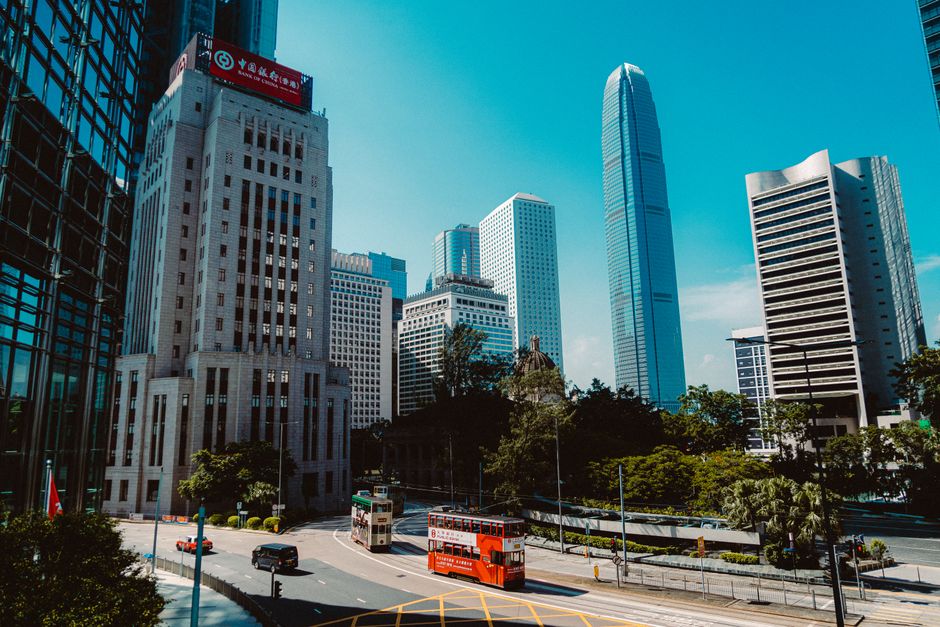
The tremors from Venezuela's earthquake and escalating Iran-US brinkmanship are hitting Hong Kong's bottom line harder than many anticipated. For a city that prides itself on financial sophistication and global connectivity, the past week has underscored how tightly local prosperity is knotted to distant crises.
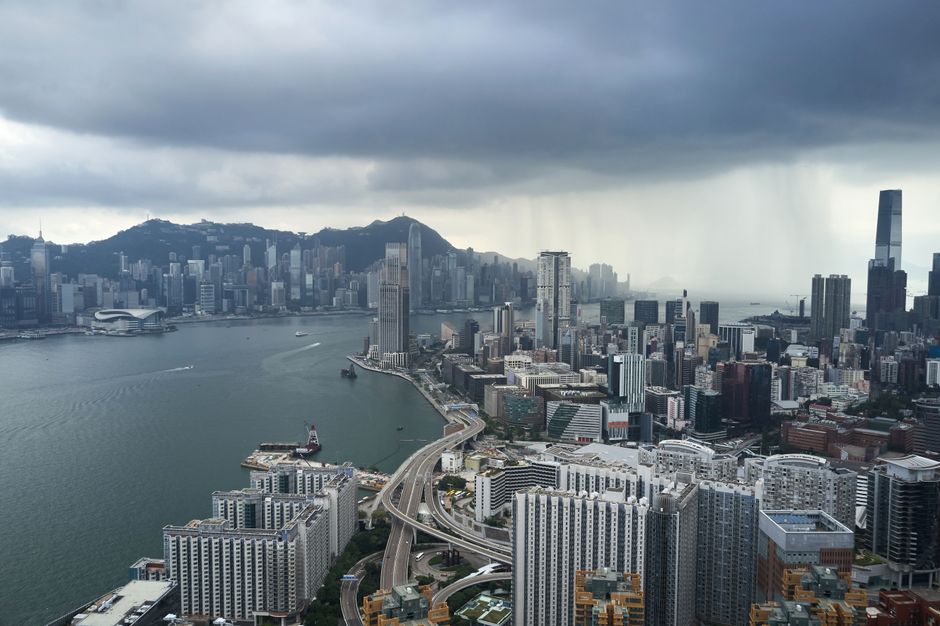
The immediate impact is visible in Central's trading floors, where energy and commodity volatility has spiked. Oil price swings are tightening margins for logistics operators across the harbor in Kwun Tong and Kowloon Bay, where fuel-intensive businesses like warehousing and transport firms are already absorbing higher operational costs. A mid-sized freight forwarder based near the Kai Tak Development estimated their quarterly costs have jumped roughly 8 percent—margins that ultimately feed into the cost of goods for consumers across Causeway Bay and Mong Kok.
Currency instability poses another headache. With the US dollar under pressure from geopolitical uncertainty, Hong Kong's dollar peg—that stalwart anchor of local stability—is being tested. Property developers and retail operators with significant offshore liabilities are now reassessing their hedging strategies. Luxury brands along Tsim Sha Tsui's Nathan Road are closely monitoring their import costs, as manufacturers in Pakistan and neighboring regions navigate their own supply chain disruptions.
The human dimension matters too. Pakistan's military operations have scattered regional trade networks that feed into Hong Kong's import ecosystem. Electronics sourcing, textile procurement, and component manufacturing—sectors that employ thousands across Kowloon and the New Territories—face longer lead times and price pressures.
Yet Hong Kong's financial sector is showing its adaptive muscle. Investment funds are recalibrating portfolios, and some institutional investors are rotating into defensive plays. The Hong Kong Tourism Board, meanwhile, is bracing for potential volatility in visitor numbers—European and Middle Eastern travelers may defer trips amid uncertainty, affecting hotels and restaurants from Lan Kwai Fong to Central's premium dining scene.
For small and medium enterprises operating out of industrial buildings in Cheung Sha Wan or Fo Tan, the message is stark: global stability is a business input. Rising insurance premiums, supply chain delays, and currency hedging costs are trickling down to family-run operations that form the backbone of Hong Kong's economy.
The paradox is that Hong Kong's greatest strength—its position as a global gateway—also exposes it to every tremor in the world's fault lines. Business leaders are adjusting forecasts downward and tightening cash reserves, a prudent response to an environment where Venezuelan aftershocks and Middle Eastern posturing have become material business risks.
This article was compiled by AI from the sources linked above and screened before publishing. See our editorial standards.