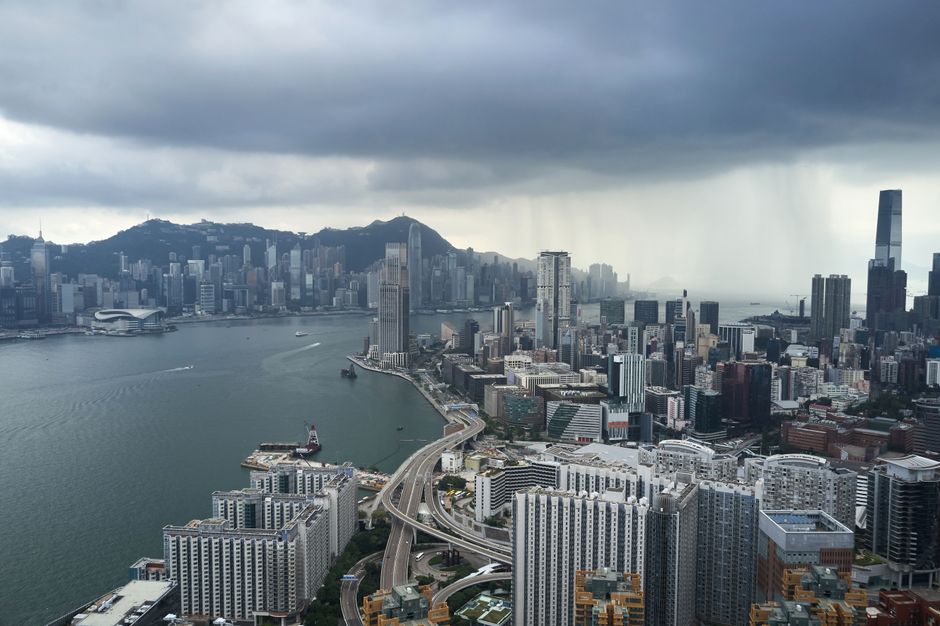
For decades, Central's glittering financial towers overshadowed the narrow lanes and heritage buildings that now attract a new breed of visitor. But the past eighteen months have brought a marked shift. International tourists—and increasingly, mainland Chinese travellers—are spending less time in shopping malls and more time exploring Sheung Wan's antique shops, heritage trails, and independent eateries. Small business owners in these neighbourhoods are reaping the rewards.
The numbers tell the story. visitor arrivals to Hong Kong have climbed 28 per cent since early 2025, according to tourism board data, with a notable portion gravitating toward cultural experiences. This has translated into genuine commercial opportunity for micro-entrepreneurs operating on a shoestring.
Take the explosion of heritage-focused businesses along Cat Street and Wing Lee Street in Sheung Wan. A year ago, roughly 40 per cent of shopfronts sat vacant; today, that figure has dropped below 15 per cent. New tenants—mostly independent operators rather than chains—are filling gaps with bespoke offerings: a restored teahouse focusing on 1950s Cantonese brewing techniques, a bookshop specialising in Hong Kong architectural history, and a handful of family-run restaurants serving traditional dai pai dong fare at modernised price points.
Rents remain elevated—ground floor space in Sheung Wan now averages 80,000 Hong Kong dollars monthly—but operators report strong foot traffic offsetting costs. One street-level stall selling handmade mooncakes and traditional sweets, opened in March, reports turnover has exceeded projections by 40 per cent.
The government's recent Heritage and Culture Fund, launched with 500 million dollars in initial allocation, is also catalysing activity. Grants of up to 200,000 dollars are available for small cultural ventures, from pop-up galleries to craft workshops. Applications have surged; the fund received over 800 proposals in its first quarter.
Neighbourhood associations across Central and Sheung Wan report growing demand for guided walking tours, artisan workshops, and themed dining experiences. Several street vendors have formalised operations into proper stalls. A dried seafood seller operating informally on Graham Street for fifteen years recently secured a formal licence and expanded inventory.
Not all small operators have benefited equally. Those without online presence or experience managing higher foot traffic have struggled to adapt. Rising wage costs—hospitality workers now command 180 dollars hourly minimum—have also squeezed margins for labour-intensive businesses.
Still, the window is open. Entrepreneurs with capital, agility, and genuine connection to neighbourhood culture are positioning themselves well. The question now is whether this wave sustains, or whether it remains a temporary spike driven by post-pandemic revenge tourism.
This article was compiled by AI and screened before publishing. See our editorial standards.