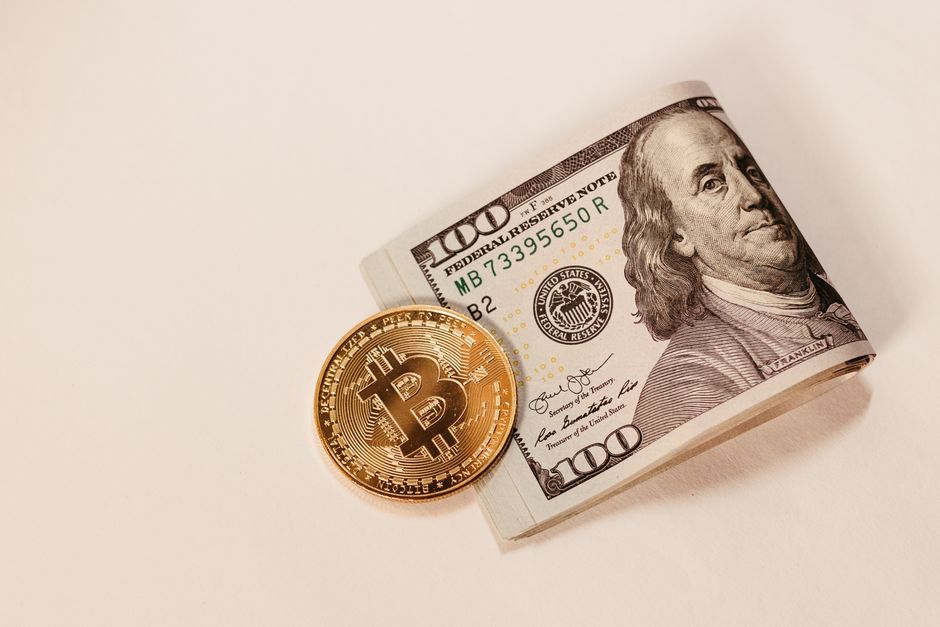
The numbers tell their own story. The Hang Seng closed Friday at 23,350, up 1.18 percent, while Bitcoin jumped 6.66 percent to US$62,456 and gold hit US$4,187 per ounce, a gain of 4.10 percent on the session. Together, those moves capture something significant about where investors are putting money in mid-2026: real assets, digital assets and, increasingly, the infrastructure that sits between them. That infrastructure, for a growing slice of the Asia-Pacific financial system, runs through Hong Kong.
The city's fintech sector entered 2026 with regulatory tailwinds that most global financial centres would envy. The Hong Kong Monetary Authority's Project Ensemble, which began piloting tokenised deposit settlement for interbank transactions in late 2024, has since expanded its sandbox to include 30 institutional participants, including several Hang Seng-listed banks. The Securities and Futures Commission's virtual asset trading platform licensing regime, which came into force in June 2023, has matured into a functioning two-tier system, and the number of fully licensed platforms now sits in double digits. Firms that spent 18 months building compliance architecture are starting to see commercial returns.
The beneficiaries are not all household names. HashKey Exchange, which holds a Type 1 and Type 7 SFC licence, has expanded retail access to spot Bitcoin and Ether products, and the current rally in digital assets is drawing retail volumes that compliance teams spent years preparing for. OSL Group, listed on the Hong Kong Stock Exchange, has similarly reported rising institutional custody demand as family offices and regional asset managers look for regulated on-ramps into the digital asset space. The distinction between "crypto" and "digital finance infrastructure" matters less to clients than it once did.
Stablecoins, CBDCs and the Real Battle for Payment Flows
The more consequential competition is in payments and settlement. The HKMA published its stablecoin licensing consultation conclusions in February 2026, setting out capital requirements and reserve asset standards for Hong Kong-dollar-backed stablecoins. Several bank-affiliated consortia are now in advanced preparation for licence applications. If the framework holds, Hong Kong could have regulated, bank-issued stablecoins in circulation before the end of the year, a development that would put it well ahead of most G10 jurisdictions on the regulatory clock.
That prospect has focused minds. The city's role as a conduit for cross-border renminbi business gives stablecoin infrastructure a natural commercial logic that does not exist in quite the same way elsewhere. Corporates moving money between mainland subsidiaries and offshore entities have long relied on Hong Kong's banking system as a clearing hub. A programmable, tokenised version of that flow, settled via smart contract rather than correspondent banking, is not an abstract concept to treasury teams in Admiralty or Quarry Bay. It is a live procurement question.
WTI crude's fall to US$68.78 per barrel, down 2.78 percent on the day, is a reminder that not every sector is enjoying the current risk appetite. Energy-linked trade finance, a product that several Hong Kong fintechs built out during the 2022-2024 commodity supercycle, faces margin pressure as oil prices ease. Firms that diversified into supply chain financing for electronics and semiconductor components, key Hong Kong trade flows, are better positioned heading into the second half.
The equity market is paying attention. Fintech and digital finance names with Hang Seng index exposure have moved broadly in line with the index's 1.18 percent gain, but several smaller-cap plays on the main board have outperformed that benchmark through the week. The Nasdaq's 1.87 percent rise to 25,833 on Friday matters here too: it signals that global institutional money is rotating back into technology-adjacent sectors, and Hong Kong-listed fintech operators with credible growth narratives are seeing some of that flow spill across into local market pricing.
The caution worth stating clearly is structural. Hong Kong's fintech sector still depends heavily on regulatory goodwill from both the HKMA and the SFC, and on geopolitical stability that allows the city to function as a genuine bridge between international capital and the mainland economy. Neither is guaranteed. But for firms that are licensed, capitalised and operationally ready, the first half of 2026 has begun to answer the question that dogged the sector for three years: whether Hong Kong's regulatory framework would attract real business or merely signal intent. The answer, measured in licensed platforms, rising custody assets and a stablecoin framework that is nearly across the line, is looking increasingly concrete.