Gold Surges Past $4,187 as Oil Slides and Iron Ore Pressure Builds: What Hong Kong Investors Need to Know
A 4.1% single-session jump in bullion, a near-3% collapse in crude and persistent softness in iron ore are reshaping the commodity calculus for every portfolio with mainland China and resources exposure.
This article was generated by AI from the linked public sources. The Daily Hong Kong is independently owned and covers Hong Kong news free from advertiser or sponsor influence. Read our editorial standards →
Gold hit $4,187 a troy ounce on Friday, a 4.10% gain in a single session that pushed the metal to another record high and sent a clear signal through Asian trading floors: safe-haven demand is not fading. For Hong Kong investors, the move is not an abstraction. Locally listed gold miners, bullion ETFs traded on the Stock Exchange of Hong Kong, and the broader sentiment toward China-linked hard assets all took direction from the surge. The Hang Seng itself climbed 1.18% to close at 23,350, a gain that looked respectable on its own but was partly underwritten by strength in precious metals and the technology rally bleeding in from Wall Street overnight.
The S&P 500 finished at 7,483, up 1.71%, while the Nasdaq Composite added 1.87% to reach 25,833. Those numbers matter here because a significant share of Hang Seng constituents, particularly the large internet platforms and semiconductor-adjacent names, trade in rough sympathy with US tech sentiment even when the underlying businesses are rooted in the Pearl River Delta. The gold move, however, tells a different story. A 4% intraday gain in bullion of this magnitude typically signals something more anxious beneath the surface: real-rate expectations shifting, a dollar under pressure, or geopolitical risk being repriced in a hurry. Probably all three at once.
Oil's Drop Cuts Both Ways for the Region
West Texas Intermediate crude fell to $68.78 a barrel, down 2.78% on the day. For energy traders, that is a meaningful retreat, and the interpretation in Hong Kong is complicated. On one hand, cheaper crude reduces input costs for the manufacturing and logistics sectors with heavy Hang Seng weighting. On the other hand, a sharp oil sell-off of this speed often reflects demand pessimism, and demand pessimism in global commodity markets almost always has a mainland China dimension. If traders are pricing in weaker Chinese industrial activity, the crude decline is less a gift and more a warning. Petrochemical and refining names listed in Hong Kong, including the large integrated state-owned energy companies that anchor the H-share index, faced selling pressure even as the broader market rose.
Iron ore, which does not appear in today's snapshot but whose direction is closely watched by anyone holding shares in the major Hong Kong-listed diversified miners and steel producers, has remained under pressure for weeks. Steel demand from Chinese property developers, the traditional engine of iron ore consumption, has not recovered at the pace that bulls projected at the start of 2026. The combination of a softer property pipeline on the mainland and cautious infrastructure spending has kept seaborne iron ore prices subdued. For Hong Kong portfolio managers running significant positions in names like China Steel Express or the H-share listings of large diversified commodity groups, the gold rally offers little direct offset to iron ore weakness because the two markets rarely move together in a portfolio context.
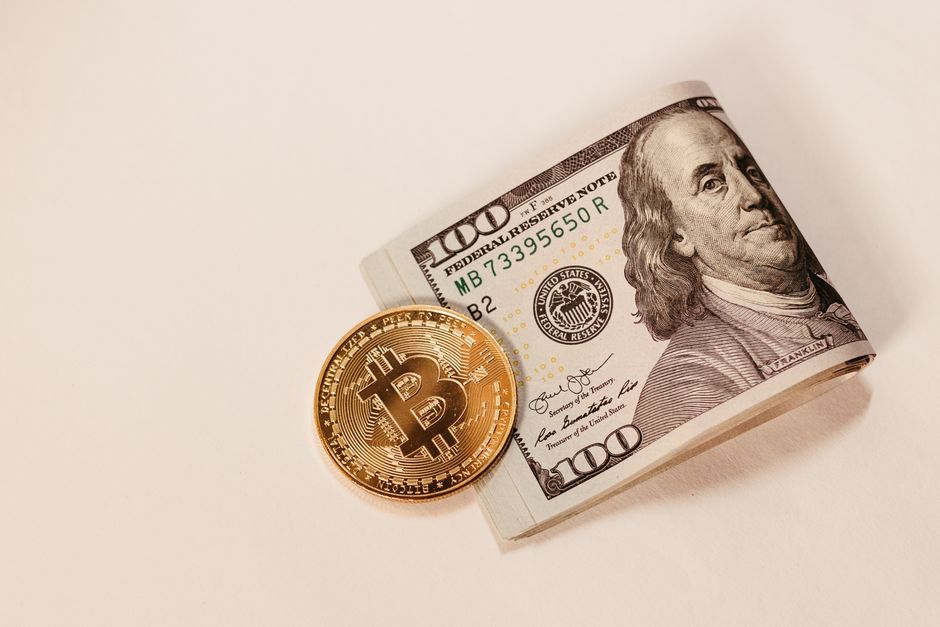
Bitcoin added 6.66% to reach $62,456, a move that drew attention in a city that has been building out its licensed virtual asset exchange infrastructure since the Securities and Futures Commission began issuing approvals in 2023. The crypto rally, running in parallel with gold's surge, reinforced the sense that investors are moving simultaneously toward both traditional and non-traditional stores of value. Whether that represents genuine conviction or short-covering ahead of a long US holiday weekend is a question traders here will be asking over the weekend.
The practical read for local investors is this. Pension holders with MPF choices weighted toward global resources funds or Greater China equity funds have had a volatile week shaped almost entirely by commodity price signals rather than earnings news. Gold's move benefits anyone with exposure to bullion-linked products or precious metals equities. The oil slide creates a marginal tailwind for airlines and consumer-facing logistics companies listed on the exchange, though the demand-concern subtext limits how much enthusiasm that warrants. Iron ore softness remains a structural drag on the steel-and-mining cluster within the Hang Seng, and until there is clearer evidence of a Chinese domestic demand recovery, that drag is unlikely to lift on the strength of one good day in equities.
The Hong Kong dollar held its peg band, as it has consistently since the Linked Exchange Rate System was reinforced in the mid-1980s, meaning currency volatility added no additional layer of complexity for local investors reading commodity prices in US dollar terms. That stability is one constant in a session defined by everything moving at once, and in the wrong directions for anyone trying to run a balanced commodities book going into the second half of 2026.
Covering finance in Hong Kong. This article was generated by AI from the linked sources and was not reviewed by a human editor before publishing. See our editorial standards.