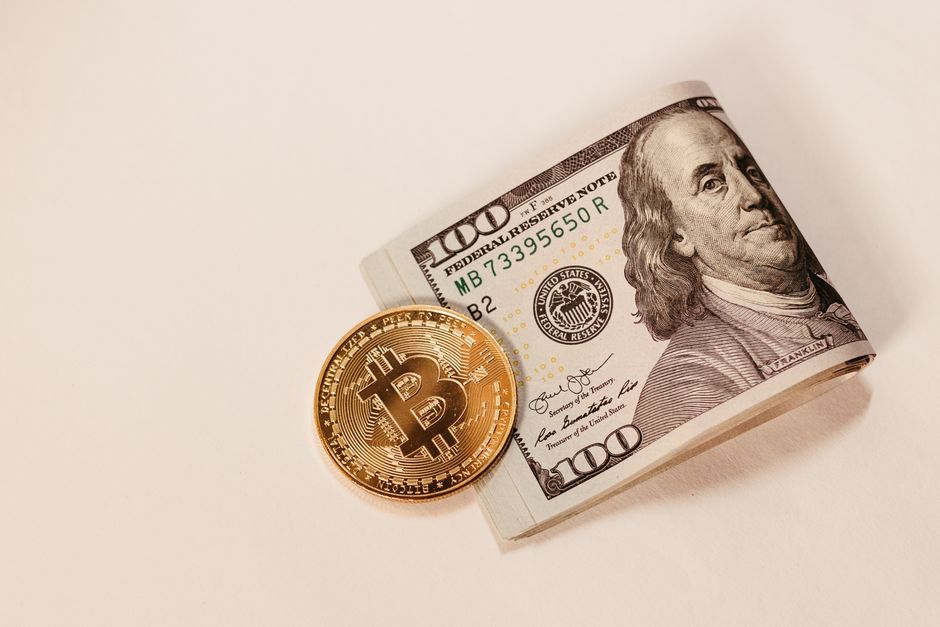
Gold hit $4,187 a troy ounce on Friday, a gain of 4.10 percent in a single session, and the number demands explanation beyond the usual safe-haven narrative. The move did not happen in isolation. Across asset classes, Bitcoin jumped 6.63 percent to $62,441, the S&P 500 climbed 1.71 percent to 7,483, and crude oil slid 2.78 percent to $68.78 a barrel. What connects those divergent moves is currency. A broadly softer US dollar lifted hard assets priced in greenbacks, compressed the real cost of oil for non-dollar buyers, and sent capital hunting for stores of value from Manhattan to Mong Kok.
For Hong Kong investors, the currency dimension is not abstract. The Hong Kong dollar is pegged to the US dollar under the Linked Exchange Rate System administered by the Hong Kong Monetary Authority, a mechanism in place since 1983. That peg means every commodity price quoted in US dollars lands on local balance sheets at roughly the same exchange rate, day after day. When the dollar weakens against the euro, the yen or the renminbi, Hong Kong importers and commodity consumers do not automatically share in the relief that their regional peers enjoy. They pay the dollar price, full stop. That structural reality makes the currency-commodity relationship here more nuanced than in most of Asia.
The Oil Discount Nobody Is Celebrating
Crude's drop to $68.78 per barrel looks like good news on the surface. Lower oil reduces input costs for manufacturers, trims airline fuel bills and, in theory, gives the city's logistics and shipping sectors some breathing room. Carriers listed on the Hang Seng, which itself rose 1.18 percent to 23,350 on Friday, should see some margin relief if the move holds. But strip out the dollar softness embedded in that price and the underlying demand signal is less comfortable. Oil markets are pricing in slower global growth, not just a currency adjustment, and that has direct consequences for the trade-dependent economy that Hong Kong sits atop.
Mainland Chinese industrial demand is the variable that most Hang Seng watchers track when reading commodity prices. Steel, copper and iron ore volumes flowing through Chinese ports are a proxy for fixed-asset investment on the mainland, and those numbers have been mixed this year. When the renminbi strengthens against the dollar, as it has done in recent months, Chinese buyers of dollar-denominated commodities get an implicit discount. That can stimulate demand, tighten physical markets and eventually push prices back up. The lag between currency move and commodity re-pricing is typically measured in weeks, not days, which means Friday's gold surge and oil slide may look quite different by the end of July.
Gold is the starkest case. At $4,187 an ounce, bullion is pricing in a combination of dollar weakness, persistent geopolitical uncertainty and what traders describe as structural central-bank buying that has not abated since 2022. For Hong Kong retail investors, gold exposure typically comes through Exchange Fund Notes, gold ETFs listed on the Stock Exchange of Hong Kong, or the metal accounts offered by the city's major banks. Those instruments track the US dollar spot price, so a Hong Kong investor holding gold through a local product has captured the full 4.10 percent single-session gain in Hong Kong dollar terms, because the peg preserves the translation. That is the one commodity scenario where the fixed exchange rate works unambiguously in local investors' favour.
Bitcoin's 6.63 percent surge to $62,441 is worth reading alongside the gold move rather than separately. Both assets rallied hard on a day when the dollar softened and risk appetite surged. The correlation between Bitcoin and gold has tightened considerably over the past eighteen months, unsettling the old narrative that positioned crypto purely as a risk asset and gold purely as a haven. In Hong Kong, where the Securities and Futures Commission has licensed a growing number of virtual asset trading platforms since 2023, retail access to both assets through regulated channels is broader than in most Asian jurisdictions. Friday's simultaneous surge in both will add fuel to the diversification debate among local wealth managers.
The practical takeaway for portfolios anchored to the Hang Seng is this: the index's 1.18 percent gain on Friday is respectable but modest compared to the moves in commodity markets. Resource-linked stocks, particularly those with gold or copper exposure, are likely to see analyst price-target revisions in coming days. Energy names face a more complicated read, given that oil's decline reflects demand caution as much as dollar arithmetic. Investors watching mainland property sector stocks should note that softer commodity prices historically compress margins for building-materials producers even as they ease costs for contractors. The currency does not change that dynamic; it merely sets the starting price from which all those calculations flow.