Business
Hong Kong Supply Chain Jobs: New Roles Surge Amid Trade Shift
Supply chain realignment creates demand for Hong Kong logistics talent. Discover how trading and freight forwarding roles are evolving with 15-20% salary growth.
3 min read
Business
Supply chain realignment creates demand for Hong Kong logistics talent. Discover how trading and freight forwarding roles are evolving with 15-20% salary growth.
3 min read
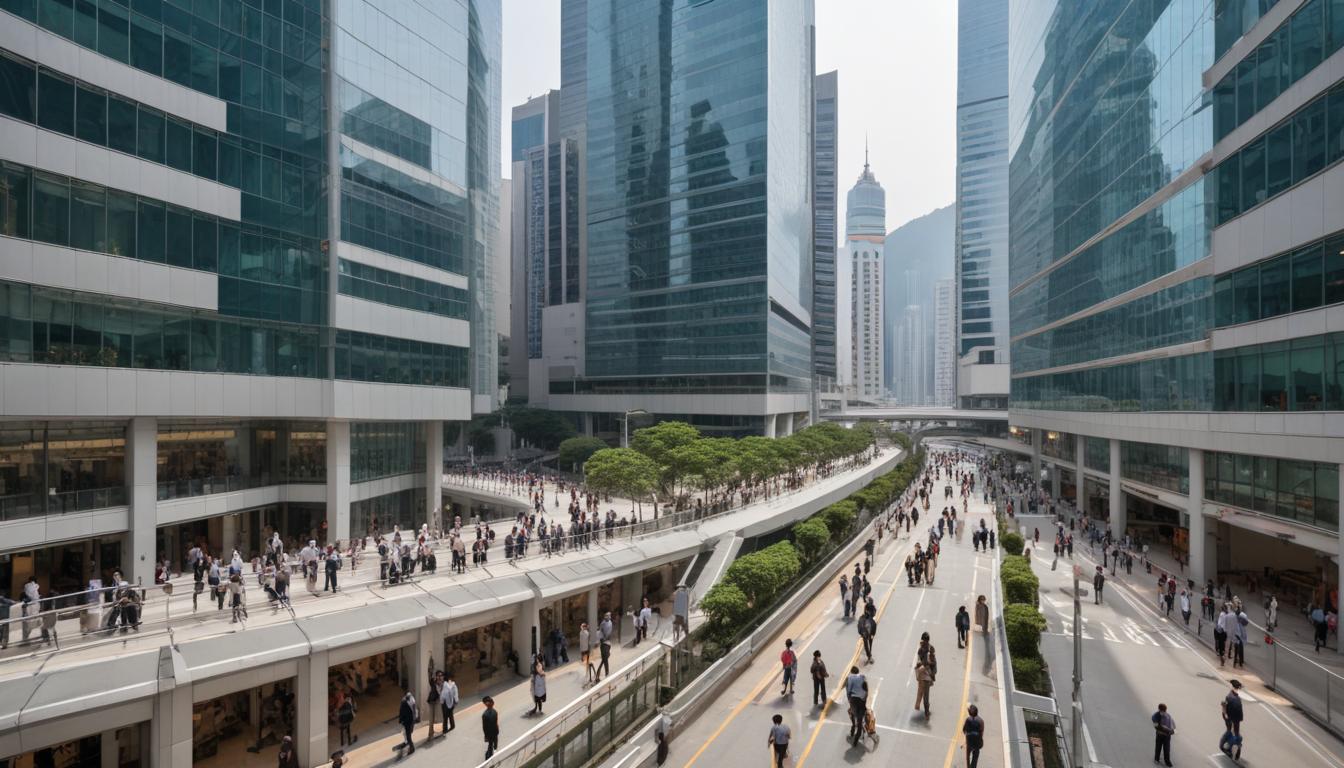
Hong Kong's recruitment landscape is undergoing a quiet but significant transformation as international trade patterns shift in response to global tensions and supply chain fragmentation. The reshuffling is creating both opportunities and challenges for local talent seekers in the world's fifth-largest trading hub.
The trend is most visible in Central and Sheung Wan, where the concentration of trading houses, freight forwarders, and logistics firms has historically formed the backbone of Hong Kong's economy. Recruitment consultancies report a surge in demand for roles that barely existed five years ago: supply chain resilience specialists, nearshoring advisors, and trade compliance officers. Salaries for mid-level positions in these fields have climbed 15-20 per cent annually since 2024, according to industry headhunters operating from offices along Des Voeux Road Central.
"We're seeing companies diversify away from single-source dependencies," explains a partner at a major recruitment firm based in the Lippo Centre on Queens Road. "That means they need people who understand multiple markets, tariff structures, and alternative logistics routes—skills that weren't premium before."
The pressure extends to technical talent. Port operators and freight management companies are competing fiercely for software engineers and data analysts who can optimise routing and inventory in fragmented supply networks. Graduate-level software developers in logistics now command starting salaries approaching HK$35,000-40,000 monthly—a marked increase from HK$25,000-28,000 in 2022.
However, the talent pool remains constrained. Hong Kong's working-age population has contracted, and many young professionals are relocating to Singapore or Europe. Firms along the waterfront near the Port of Hong Kong are increasingly offering relocation packages to attract experienced logistics managers from regional hubs, intensifying local competition.
The shift also reflects geopolitical reality. Companies that once funnelled goods through single corridors are now mapping alternative routes through Southeast Asia, the Middle East, and India. This demands employees with on-the-ground knowledge and networks beyond Hong Kong's traditional spheres. Some trading houses in the Admiralty Centre are establishing satellite teams in Dubai, Bangkok, and Ho Chi Minh City—creating career pathways that blur the line between local and overseas roles.
"The Hong Kong job market is becoming less about being a middleman and more about being a strategist," notes a veteran recruiter. For workers with the right skill set, that evolution offers genuine advancement. For others, it signals that the days of entry-level trading positions leading automatically to stable long-term employment may be fading. The city's business community is adapting; whether its talent pipeline can keep pace remains the question.
This article was compiled by AI from the sources linked above and screened before publishing. See our editorial standards.
Business

Business

Business

Business
About this article
Published by The Daily Hong Kong
Spread the word
Daily brief
Free, in your inbox before 7am. Weekdays.
Before you go
The day's Hong Kong news in a 2-minute read. Free, weekday mornings.