Sport
Hong Kong Grassroots Fitness Movements Transform Sport Culture
Neighbourhood fitness initiatives empower thousands of ordinary Hong Kongers beyond commercial gyms, reshaping how the city stays active.
2 min read
Sport
Neighbourhood fitness initiatives empower thousands of ordinary Hong Kongers beyond commercial gyms, reshaping how the city stays active.
2 min read
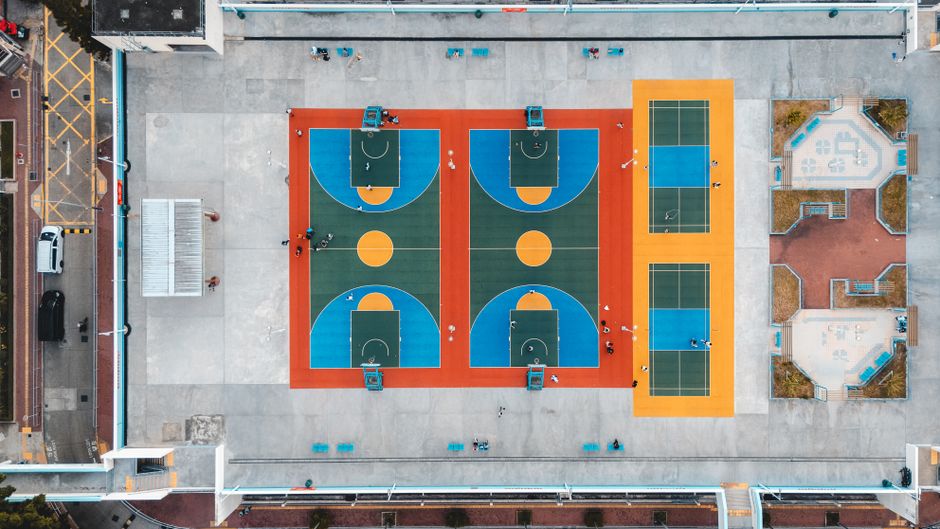
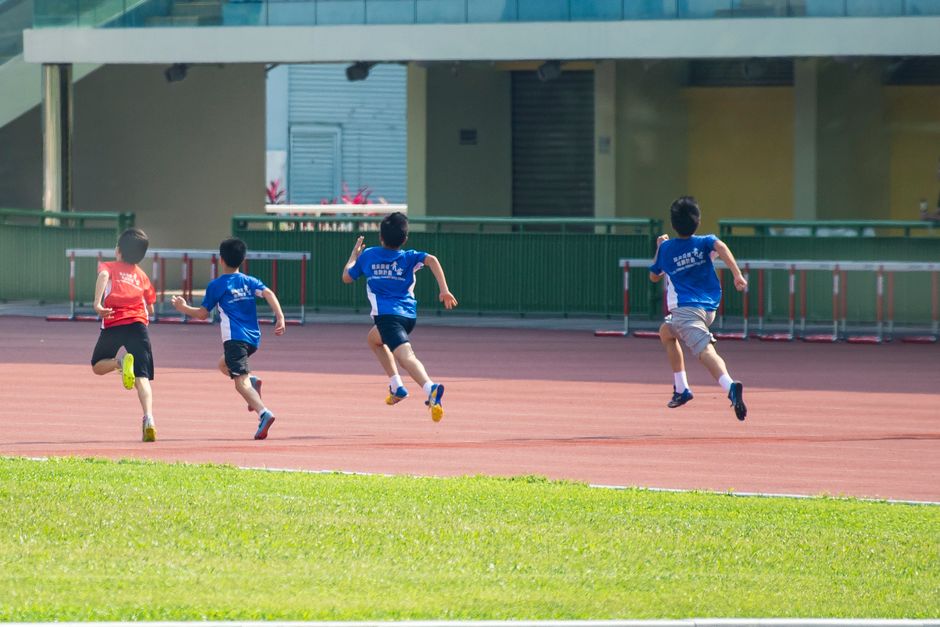
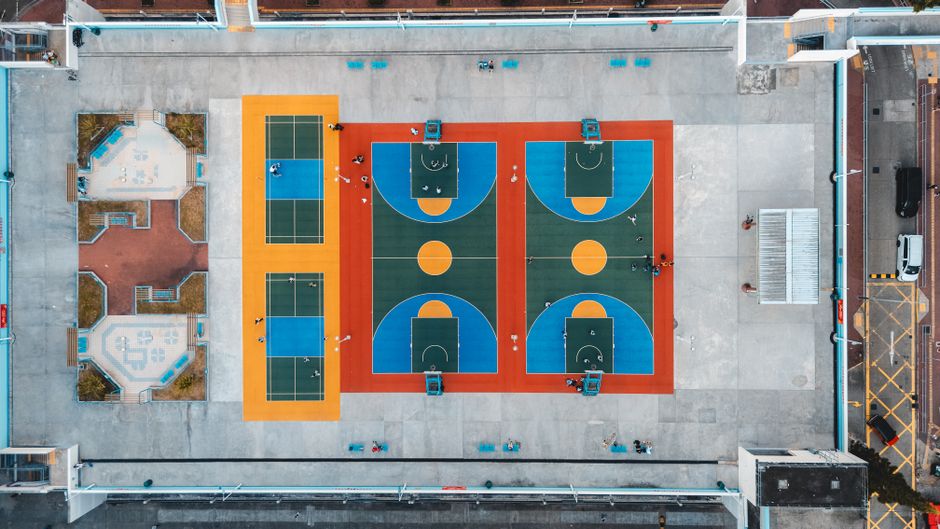
On any given evening, the basketball courts beneath the Telford Gardens public housing estate in Kowloon Tong buzz with energy. Young professionals in crumpled work shirts shoot hoops alongside retirees and university students, their voices echoing off concrete walls that have hosted informal games for decades. This scene, repeated across Hong Kong's neighbourhoods from Sham Shui Po to Tseung Kwan O, tells a story that commercial fitness chains rarely advertise: the grassroots gym culture that sustains millions of ordinary Hongkongers.
The numbers paint a revealing picture. While premium gym memberships in districts like Central and Causeway Bay command monthly fees exceeding HK$1,500, community fitness initiatives operate on shoestring budgets—often free or under HK$100 monthly. According to informal surveys conducted by the Hong Kong Sports Development Board, approximately 60 per cent of regular exercisers in Hong Kong rely on public facilities or informal community groups rather than commercial gyms. That figure has grown steadily since 2023.
What's driving this shift? Accessibility and affordability are obvious factors, but organisers point to something deeper: a hunger for authentic community connection. Groups like the Sham Shui Po Runners Collective, which operates from the Apliu Street neighbourhood, have grown from six members in 2021 to over 400 today. They organise weekly dawn runs through the district's residential streets, completely volunteer-led and donation-supported. Similar movements have taken root in Cheung Sha Wan, where badminton enthusiasts have reclaimed underused community centres, and in Wan Chai, where outdoor fitness bootcamps operate in Victoria Park with zero corporate sponsorship.
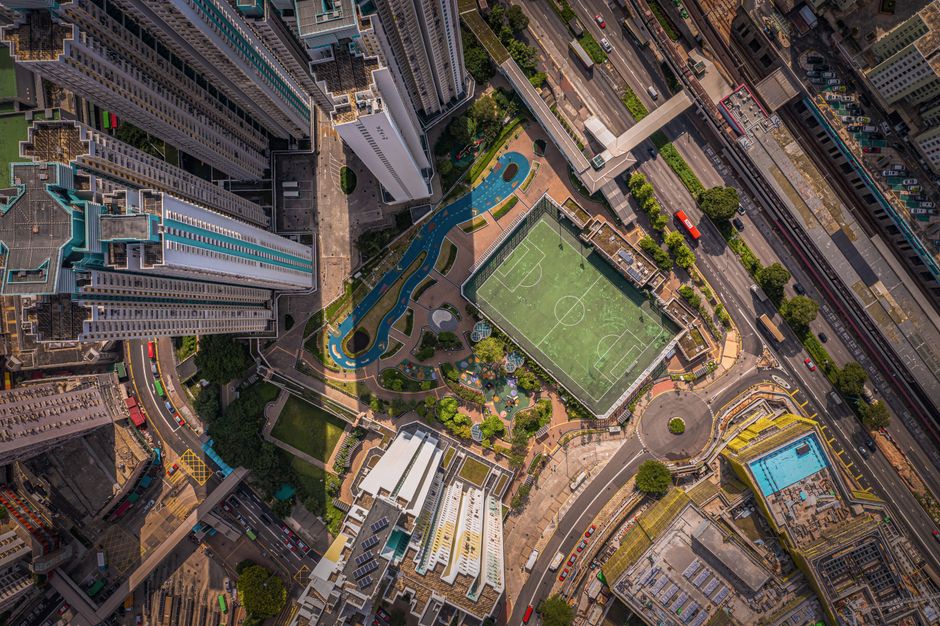
The infrastructure supporting these movements remains modest. Hong Kong's 18 districts offer 440 public sports facilities, most equipped with basic equipment and open courts. Yet this simplicity appears to be part of the appeal. Unlike corporate gyms requiring app-based bookings and membership contracts, community spaces operate on walk-in accessibility that welcomes newcomers without friction.
Local organisers acknowledge challenges: funding limitations, competition from commercial entities, and the city's space constraints. Yet they're undeterred. This grassroots movement reflects something fundamental about Hong Kong life—the resilience of neighbourhood bonds and the determination to build belonging on modest foundations. As pressures mount on residents' time and budgets, these community-driven fitness spaces offer something increasingly rare: belonging without corporate mediation.
This article was compiled by AI and screened before publishing. See our editorial standards.
About this article
Published by The Daily Hong Kong
Spread the word
Daily brief
Free, in your inbox before 7am. Weekdays.
Before you go
The day's Hong Kong news in a 2-minute read. Free, weekday mornings.