Sport
Hong Kong Grassroots Football Clubs Transform City Neighbourhoods
Volunteer-led teams prove elite facilities aren't needed to build thriving community sport culture across cramped urban pockets.
2 min read
Sport
Volunteer-led teams prove elite facilities aren't needed to build thriving community sport culture across cramped urban pockets.
2 min read
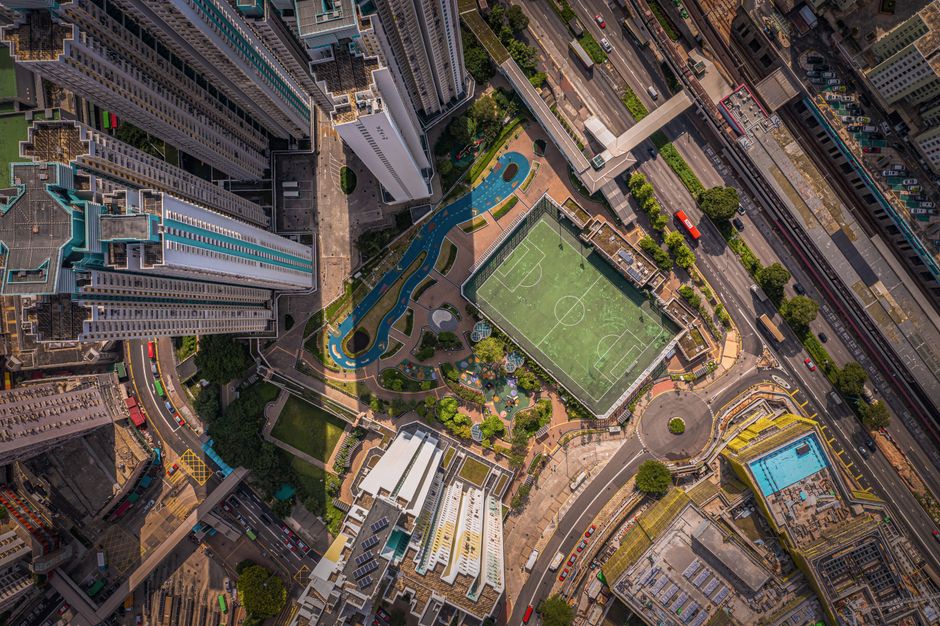
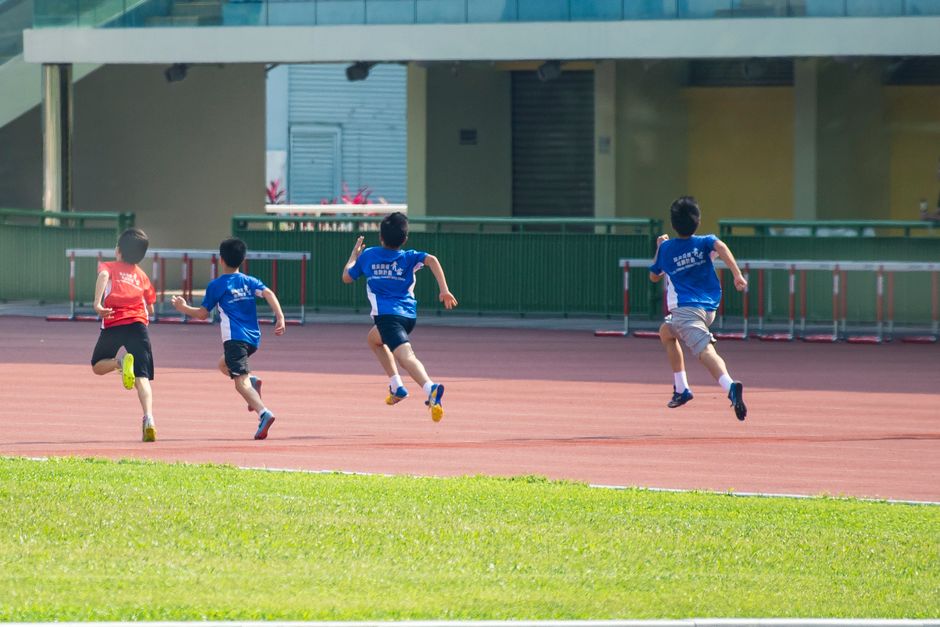
On Tuesday evenings, the astroturf pitch behind Sham Shui Po Community Centre transforms into a battleground. Under flickering floodlights, teams with names like Kowloon United Rangers and Sai Kung Strikers—made up of accountants, delivery drivers, and students—compete with the intensity of professionals. There are no corporate sponsors, no state-of-the-art facilities. Yet this is where Hong Kong's real football story unfolds.
The grassroots football movement has quietly exploded across Hong Kong's most densely packed neighbourhoods over the past three years. According to the Hong Kong Football Association's community engagement report, participation in neighbourhood leagues has grown by 64 per cent since 2023, with over 2,400 players now registered in informal community competitions across 18 districts.
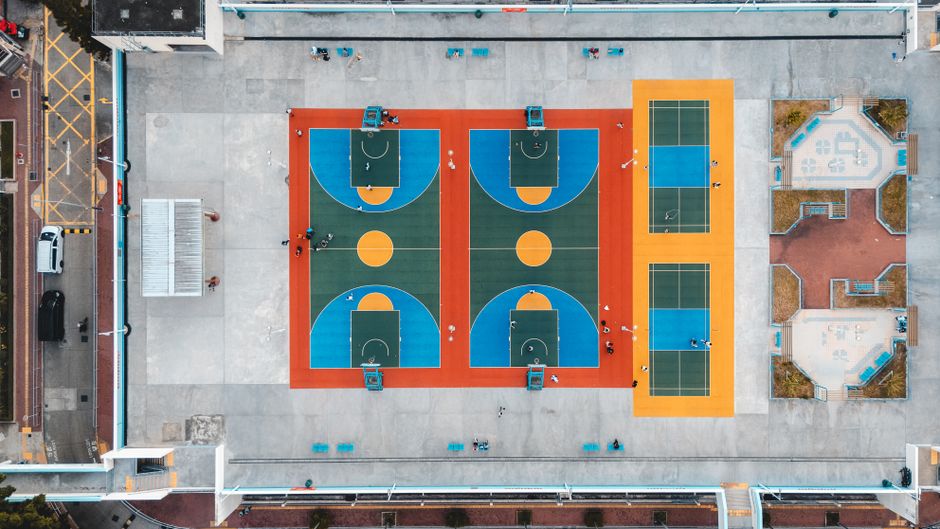
In Mong Kok, where land costs exceed HK$800,000 per square metre, the Mong Kok Youth Football Club operates from a repurposed parking structure. Members pay HK$50 per session—less than a coffee in Central—and train twice weekly. 'We don't have grass or proper changing rooms,' says the club's coordinator, 'but we have community. That's what keeps people coming back.'
Similar stories ripple through Causeway Bay, where the Wan Chai Neighbourhood Football Initiative uses the Victoria Park synthetic pitches on alternate Saturdays, and Sheung Wan, where the Ladder Street Sports Collective has pioneered evening training sessions in the compact grounds near the Mid-Levels.
What distinguishes Hong Kong's grassroots movement is its hyper-local, volunteer-driven nature. Unlike the professional Hong Kong Premier League, these community clubs operate on shoestring budgets and rely entirely on unpaid organisers. Yet they've become social anchors in fragmented urban communities where residents often live in isolation.
The economic impact is surprising. Local sportswear retailers in Mong Kok and Sham Shui Po report 35 per cent increases in modest football equipment sales. Nearby food vendors have become unofficial club sponsors, offering discounts to teams.
Perhaps most significantly, these grassroots networks are developing talent outside traditional pathways. Three players currently in the Hong Kong U-20 national development squad emerged from neighbourhood leagues rather than academy systems—proof that elite sport doesn't require elite infrastructure.
As Hong Kong navigates rapid urbanisation and social fragmentation, these humble pitches and volunteer communities represent something increasingly rare: spaces where strangers become teammates, and a city's most valuable resource—its people—come together around a simple, universal game.
This article was compiled by AI and screened before publishing. See our editorial standards.
About this article
Published by The Daily Hong Kong
Spread the word
Daily brief
Free, in your inbox before 7am. Weekdays.
Before you go
The day's Hong Kong news in a 2-minute read. Free, weekday mornings.