Sport
Hong Kong's Sports Facilities Shape Next Generation of Athletes
Upgraded venues and grassroots programs aim to develop elite talent, but aging infrastructure and limited access remain key challenges for youth athletes.
3 min read
Sport
Upgraded venues and grassroots programs aim to develop elite talent, but aging infrastructure and limited access remain key challenges for youth athletes.
3 min read
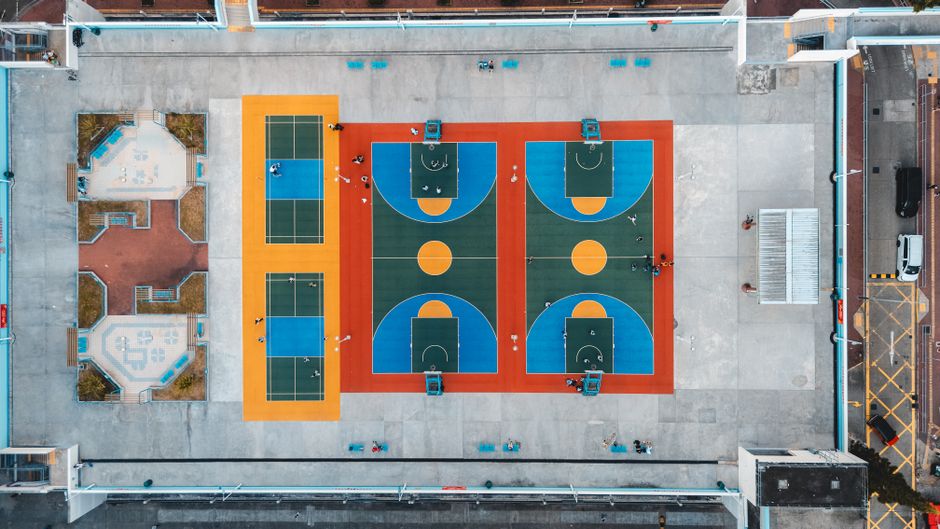
Walk into any neighbourhood sports centre across Hong Kong on a weekday afternoon, and you'll find the heartbeat of the city's grassroots athletic culture: badminton courts packed with teenagers, swimming pools echoing with coaching instructions, table tennis tables where tomorrow's champions are being moulded.
Yet behind the energy lies a complex reality. Hong Kong's youth sports infrastructure—the physical foundation upon which competitive excellence is built—tells a story of ambitious investment alongside persistent constraints.
The government operates 21 major sports centres across the territory, from Kowloon Bay Sports Centre's Olympic-standard facilities to modest neighbourhood hubs in areas like Sham Shui Po and Tuen Mun. Monthly usage fees typically range from HK$30 to HK$100 per session, making access relatively democratic compared to private alternatives. However, booking slots remains fiercely competitive; prime evening hours for basketball and badminton are often reserved months in advance.
Private clubs and schools fill critical gaps. Elite academies affiliated with universities and major sports organisations provide dedicated training grounds, but availability remains stratified by wealth. A junior membership at premium clubs in Central or Repulse Bay can exceed HK$10,000 annually—pricing that excludes many talented children from lower-income families.
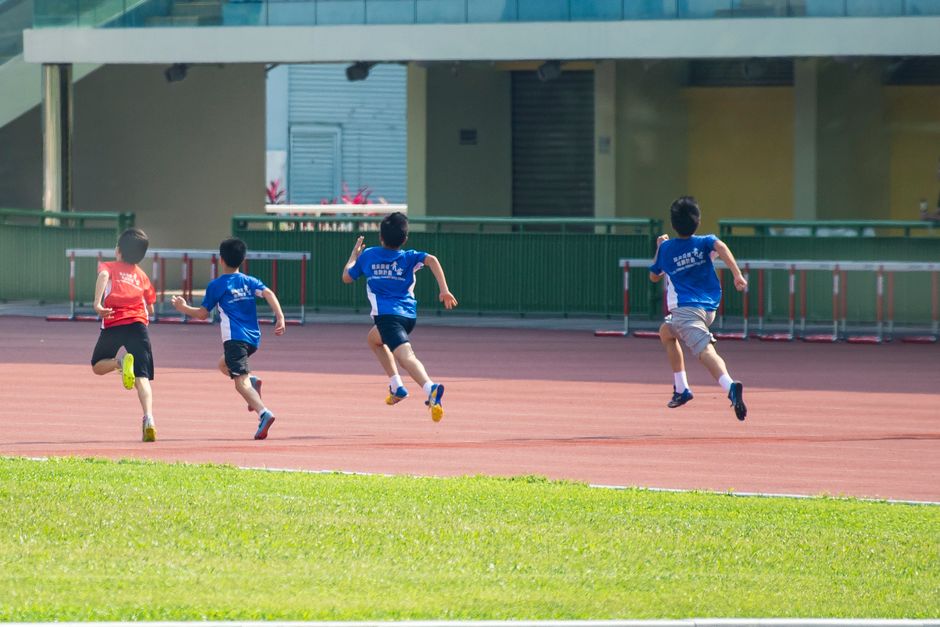
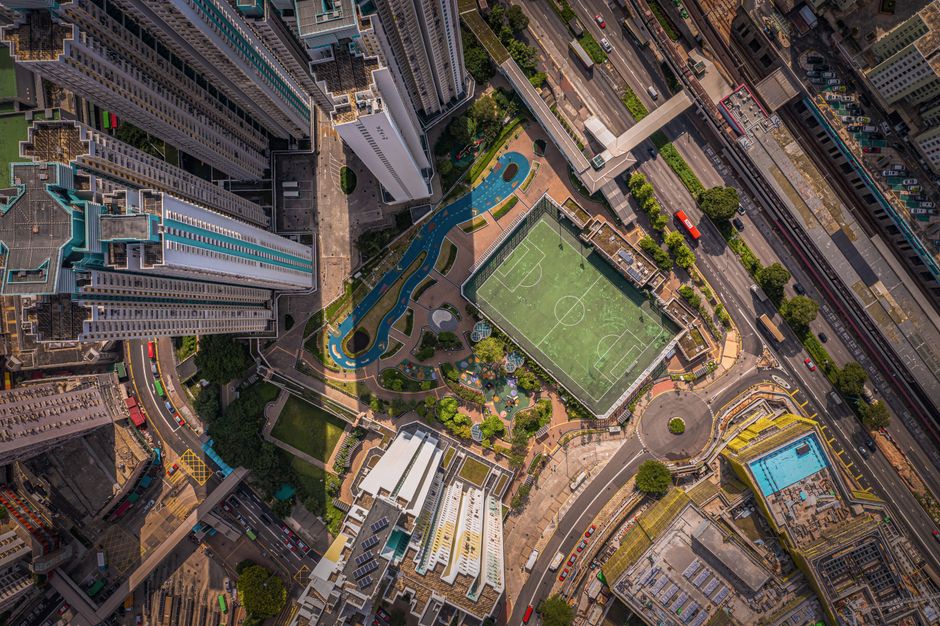
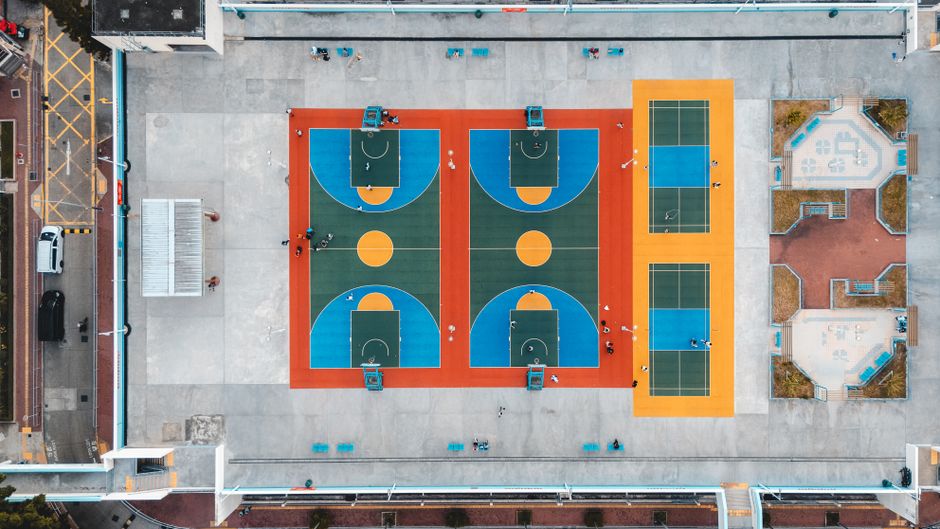
Space constraints present a unique Hong Kong challenge. Unlike sprawling equivalents in Shanghai or Singapore, the city's densely packed geography limits outdoor training facilities. The Victoria Park athletics track and Hong Kong Sports Institute's Shatin campus represent rare premium venues, but demand far outstrips supply. Smaller districts like Kwai Tsing and Sha Tin have seen recent upgrades to multi-purpose courts, yet many community centres still operate on aging infrastructure built decades ago.
The Sports Federation and relevant governing bodies have attempted modernisation. Investment in district-level facilities and renovation programmes targeting neighbourhood centres reflect acknowledgment of the grassroots bottleneck. Yet funding remains contested; youth sports development competes with other urban priorities for government resources.
What emerges is a two-tiered system: well-resourced athletes in elite programmes benefit from cutting-edge facilities and coaching, while countless talented children rely on crowded, ageing public spaces. The tennis courts of Happy Valley Racquet Club versus the cracked courts in Ap Lei Chau tell this disparity starkly.
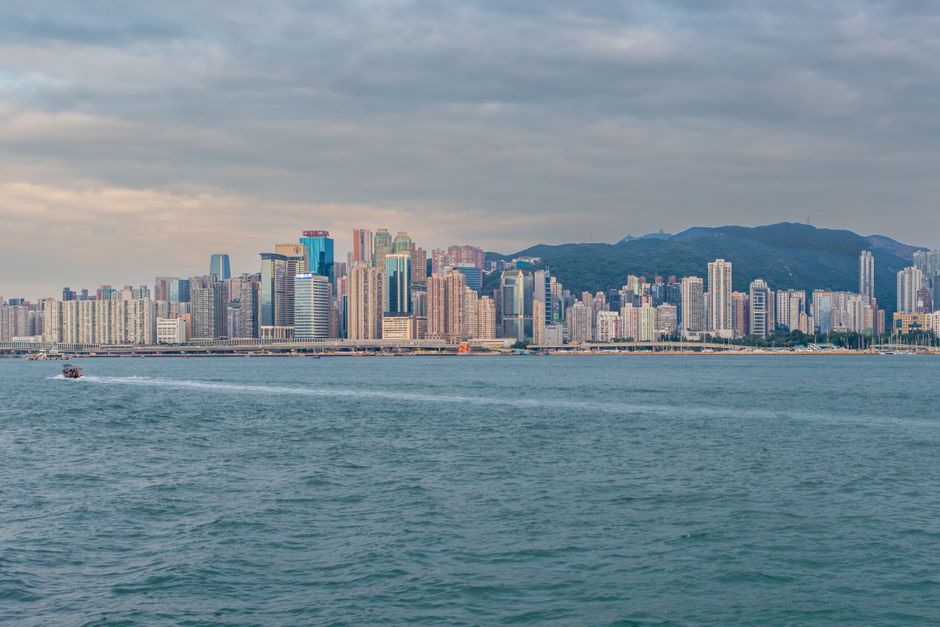
For Hong Kong to nurture consistent international talent, the city must bridge this infrastructure gap. Expanding accessible, quality facilities in underserved neighbourhoods—particularly the New Territories—could unlock talent currently constrained by geography and cost. Until then, Hong Kong's sporting future remains unevenly distributed across the concrete and steel of the city's landscape.
This article was compiled by AI and screened before publishing. See our editorial standards.
About this article
Published by The Daily Hong Kong
Spread the word
Daily brief
Free, in your inbox before 7am. Weekdays.
Before you go
The day's Hong Kong news in a 2-minute read. Free, weekday mornings.