Sport
Hong Kong's Neighbourhood Courts Drive Grassroots Sports Surge
Community centres across Mong Kok and Sham Shui Po are transforming public spaces into thriving sports hubs, challenging the city's stadium-focused sports culture.
2 min read
Sport
Community centres across Mong Kok and Sham Shui Po are transforming public spaces into thriving sports hubs, challenging the city's stadium-focused sports culture.
2 min read
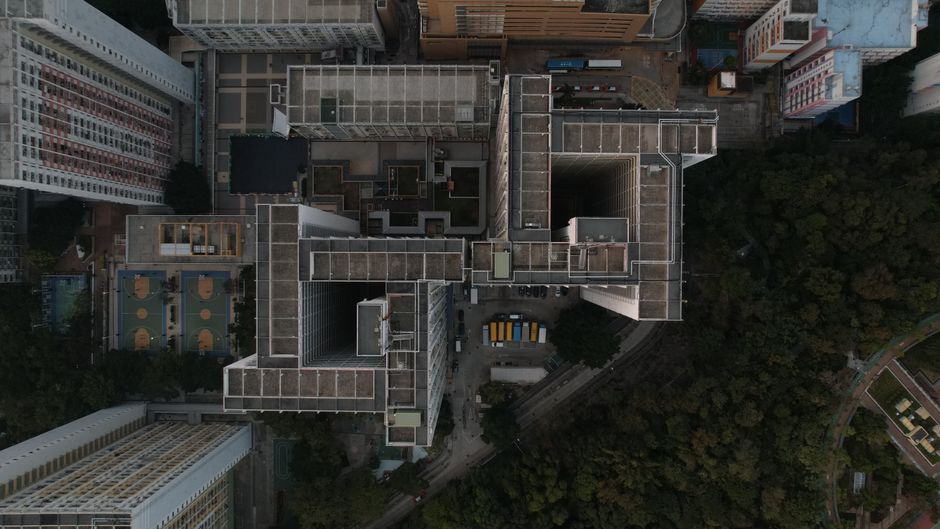
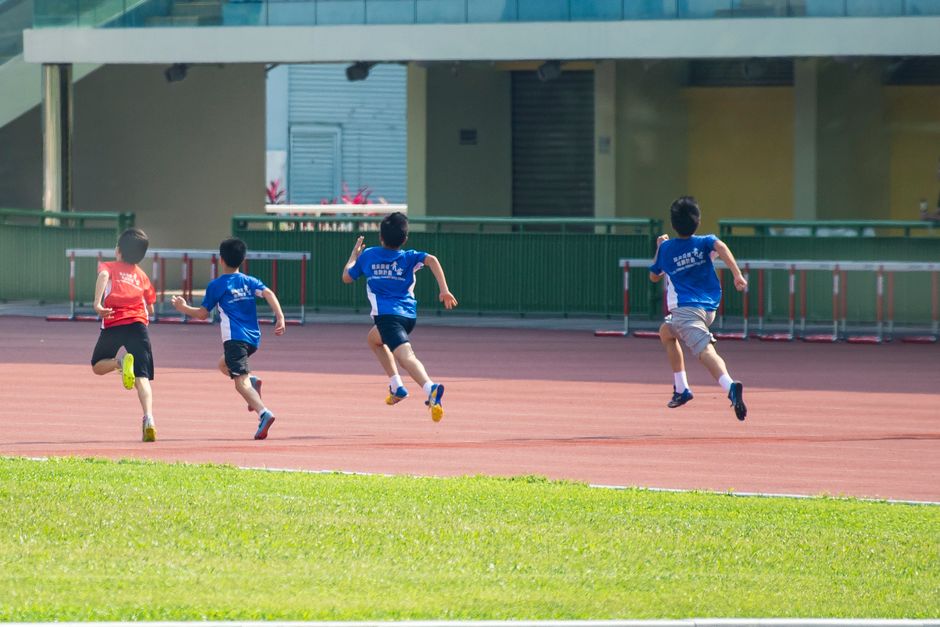
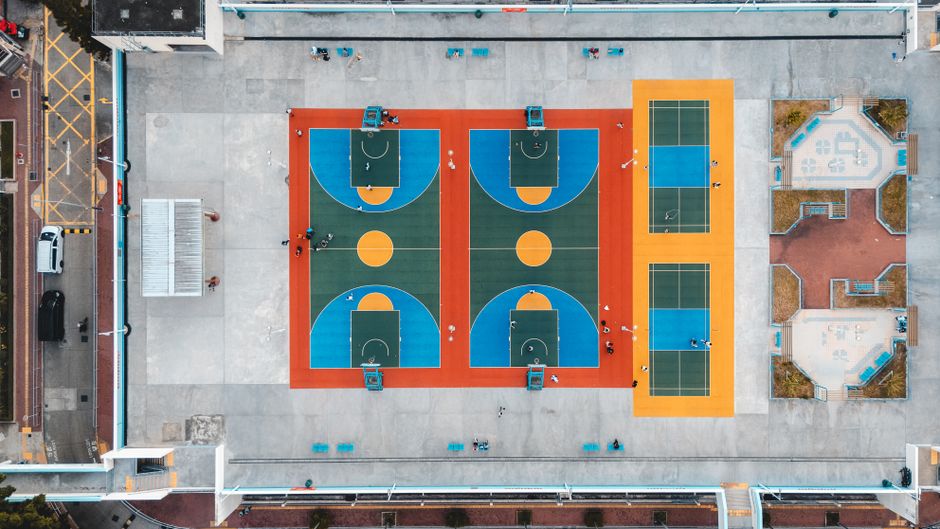
Walk through Victoria Park on a weekday evening and you'll find something remarkable: badminton courts booked solid until 10 p.m., basketball hoops surrounded by clusters of teenagers calling plays in Cantonese, and badminton nets strung between lamp posts where office workers squeeze in a quick game before heading home to Kowloon Tong.
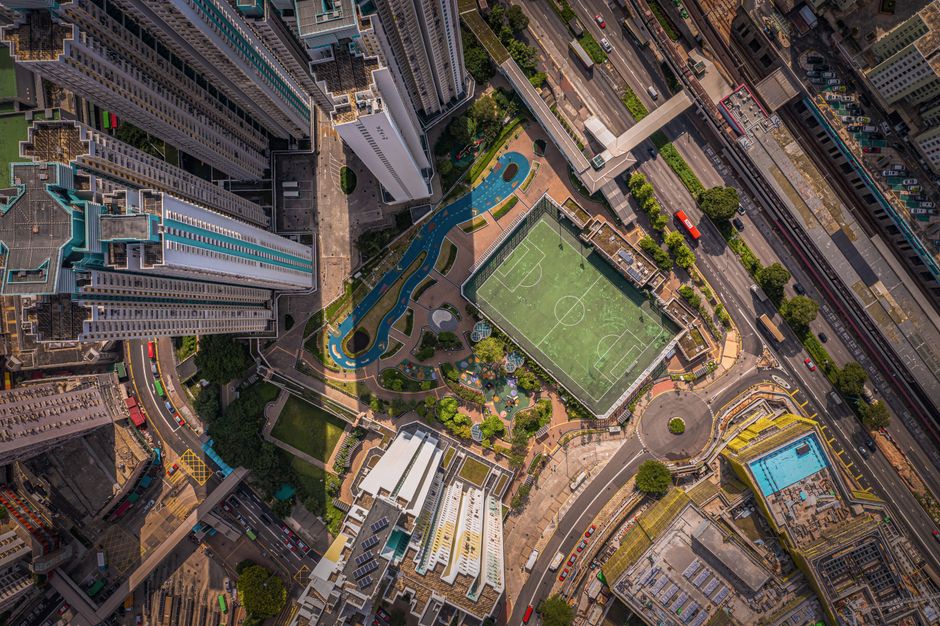
This is the real story of Hong Kong's sporting renaissance—not the multi-billion dollar redevelopment of the Eastern Corridor or the gleaming new venues in the Kai Tak area, but rather the organised, determined explosion of grassroots activity happening in neighbourhoods where most residents will never set foot in a championship stadium.
The data tells a compelling story. Community sport participation has surged 34 per cent since 2022, according to the Hong Kong Sports Institute, with basketball and badminton accounting for nearly half of all grassroots registrations. Yet the infrastructure hasn't kept pace with demand. A booking at Mong Kok Sports Centre now requires advance registration weeks ahead; the basketball court in Sham Shui Po's Yu Chui Street improvement area typically operates at 95 per cent capacity during peak hours.
What's driving this? The answer lies in neighbourhood-level organisations that have emerged to fill the gap left by stretched government facilities. Groups like the Sham Shui Po Community Sports Alliance and informal coalitions in North Point have mobilised volunteers to maintain courts, coordinate schedules and—crucially—make sport accessible to families earning below HK$30,000 monthly. The cost of a weekly badminton court booking now averages HK$120-150, making it genuinely affordable.
These aren't professionally trained athletes destined for international glory. They're shift workers, students, retirees and families discovering that a well-maintained court in their own neighbourhood can become a gathering place—something the city's high-end sports clubs have never quite managed.
The Hong Kong Government's Sports Commission has begun taking notice, allocating additional funding to upgrade courts in Chai Wan and Kwai Tsing. But local organisers insist the real change isn't top-down. It's happening because residents in Tung Chung, Fanling and Kennedy Town have decided that elite sport venues are fine for tourists—but their neighbourhoods deserve better than cracked pavement and neglected facilities.
As one Mong Kok badminton league organiser observed: "People don't need world-class stadiums. They need a clean court within walking distance." That philosophy is reshaping how Hong Kong thinks about sports infrastructure—and it's working.
This article was compiled by AI and screened before publishing. See our editorial standards.
About this article
Published by The Daily Hong Kong
Spread the word
Daily brief
Free, in your inbox before 7am. Weekdays.
Before you go
The day's Hong Kong news in a 2-minute read. Free, weekday mornings.